Japan's space agency lost a large navigation satellite during a rocket launch from Tanegashima Space Center on December 22, 2025. The H3 rocket, built by Mitsubishi Heavy Industries, lifted off carrying the 5-ton Michibiki No. 5 satellite but failed to place it in orbit after the payload cover separated too early. Damage to the satellite's mounting area caused it to break free, and the rocket's fuel lines were also hit, stopping the second stage early. Both the satellite and first rocket stage fell into the Pacific Ocean near Minamitorishima island.
Background
Japan has worked for years to build its own rocket fleet to carry satellites without relying on other countries. The H3 is the newest model, meant to replace the older H-IIA, which stopped flying in June 2025. This rocket is key for national security and science missions because it can lift heavy loads into space.
The Michibiki satellites form Japan's navigation system, like GPS but run by the country itself. Planners aimed to have seven of these in orbit by March 2026 to cover the whole world and cut dependence on the U.S. system. Michibiki No. 5 was set to fill a gap in coverage over Asia and Oceania.
This was the eighth test flight for the H3, called Flight 8 or H3 F8. Earlier flights had mixed results. The first one failed in 2023, but six flew well in 2024 and 2025. JAXA saw the H3 as its main rocket, or 'core rocket,' for years to come. The program started to prove Japan could compete in the global space race with cheaper, reliable launches.
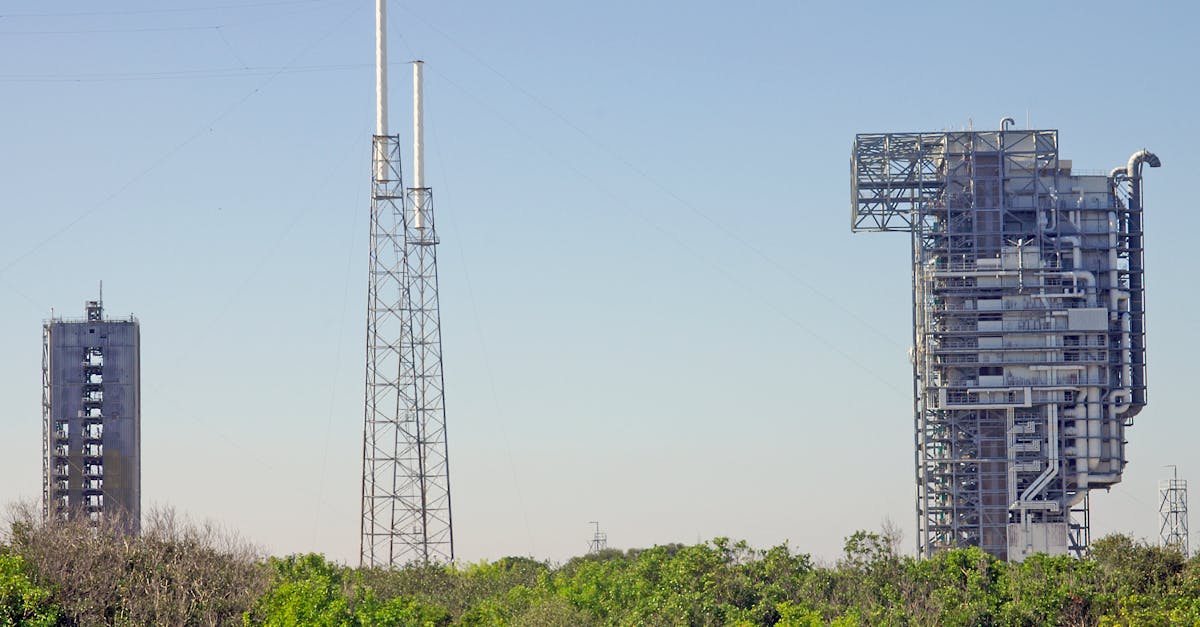
Tanegashima Space Center sits on a southern island, picked for its clear weather and open ocean drop zones. Launches from there aim payloads over the Pacific to avoid land. On that day, weather was good, and the rocket rose as planned through the first few minutes.
Key Details
The launch started smooth. The H3, in its 24L setup, used a powerful first stage to climb fast. Telemetry data showed engines firing right, guidance on track, and the structure holding up. About three minutes and 20 seconds in, the payload fairing—the nose cone protecting the satellite—split off as designed. This step lets the satellite breathe once out of thick air.
What Went Wrong Step by Step
Right after the fairing came off, onboard cameras caught something odd. Debris floated near the satellite, and it started to move in ways it should not. Sensors picked up strange shakes at the mounting point where the satellite bolted to the rocket's second stage. Engineers now think some force or junk hit that spot during separation.
The mounting structure broke. This let the satellite loose before its time. When the first stage dropped away, the satellite went with it instead of staying on the second stage. Video from the rocket shows the satellite tumbling free. It never got the release signal, which only comes after the second stage finishes burning.
Damage did not stop there. The same problem hurt fuel tubing on the second stage engine. Liquid hydrogen tank pressure fell fast. A valve tried to fix it by pumping in more gas, but pressure stayed low. Combustion cut off early, so the second stage could not reach the right speed or height.
The rocket kept flying on its own path, showing its main systems worked. But without the satellite, the mission failed. Tracking data confirmed the second stage made just two orbits before falling short. The satellite and first stage hit the ocean near Minamitorishima, a small island far east of Tokyo.
JAXA shared these findings in a progress report on January 20, 2026. They point to the fairing separation as the starting point. No leaks from fuel tanks show in data yet, but they check if any played a role in the shakes.
"It is highly likely that the satellite mounting structure was damaged due to some factor, and as a result, the pressurization piping was damaged." – JAXA official statement
Teams reviewed ground tests and design papers. They found no clear reason for the mounting failure yet. More work looks at how parts fit together under flight stress.
What This Means
Losing Michibiki No. 5 delays Japan's full navigation network. Without it, coverage stays spotty, especially in key areas. The country must wait to match GPS levels, which affects phones, cars, ships, and disaster alerts that use these signals.
The H3 program takes a hit. With no working heavy rocket after H-IIA retired, Japan pauses big satellite launches. This slows defense and weather missions. JAXA and Mitsubishi must fix the issues before the next flight, likely pushing schedules back months.
Space launches always carry risk, but this failure stands out. Satellites rarely fall off mid-flight like this. It shows how one small break can chain into big problems when everything packs tight on a rocket.
Japan plans more H3 tests soon. Engineers aim to strengthen the mounting and check fairing jettison closer. The space agency says the rocket's core design holds up, as it flew far despite trouble. Full results will come after deeper checks, including any ocean wreckage if recovered.
Other countries watch closely. SpaceX and others fly often with fewer fails, but Japan's focus on home-built tech keeps it going. This setback tests the team's resolve to get H3 right for good.