Japan's inflation rate dropped to 2.1% in December, marking the lowest level since March 2022. This slowdown came as core inflation, which strips out fresh food, eased to 2.4% from 3.0% in November, right on track with what economists expected. The numbers landed just before a national election and the Bank of Japan's policy meeting, with rice prices still a big worry for households and voters.
Background
Japan has dealt with rising prices for years now. Inflation first picked up in 2022 after a long time of very low or even falling prices. The Bank of Japan aims for a steady 2% rise in prices to heat up the economy. For most of the past two years, rates stayed above that goal, pushed by higher food and energy costs.
In November, headline inflation stood at 2.9%, with core at 3.0%. Food prices led the way, up 6.1% that month, though rice rises slowed a bit to 34% from over 100% earlier in 2025. Energy played a role too, with electricity costs jumping. These trends forced the central bank to end its long stretch of near-zero interest rates. It raised the policy rate to 0.75% in steps through 2024 and into late 2025.
The government stepped in with fuel subsidies and plans to ease rice shortages. Prime Minister Sanae Takaichi pushed welfare programs like free tuition to help families. Still, wages started to climb, giving people more spending power and keeping prices from dropping too fast.
December brought a sharper drop. Headline inflation fell to 2.1%, below the 2.2% forecast. The core measure matched predictions at 2.4%. This easing tied back to last year's end of some subsidies, which had boosted prices then and now dragged them down by comparison.
Rice prices stayed in the spotlight. They doubled mid-year due to bad harvests and weak imports but cooled to 34% growth in December. Lower global energy costs and more subsidies helped too. Yet deeper measures showed staying power. Core-core inflation, leaving out food and energy, dipped just to 2.9% from 3.0%.
Key Details
The data came from the Ministry of Internal Affairs and Communications. Headline prices rose 2.1% year over year. That beat the slowdown from November's 2.9%.
Core inflation excludes fresh food like vegetables and fish. It hit 2.4%, down sharply but as expected. Clothing prices grew 2.3% versus 2.5% before. Transport eased to 3.3% from 3.6%. Recreation dropped to 2.3% from 2.6%. Communications fell to 6.8% from 7.5%.
Rice and Food Pressures
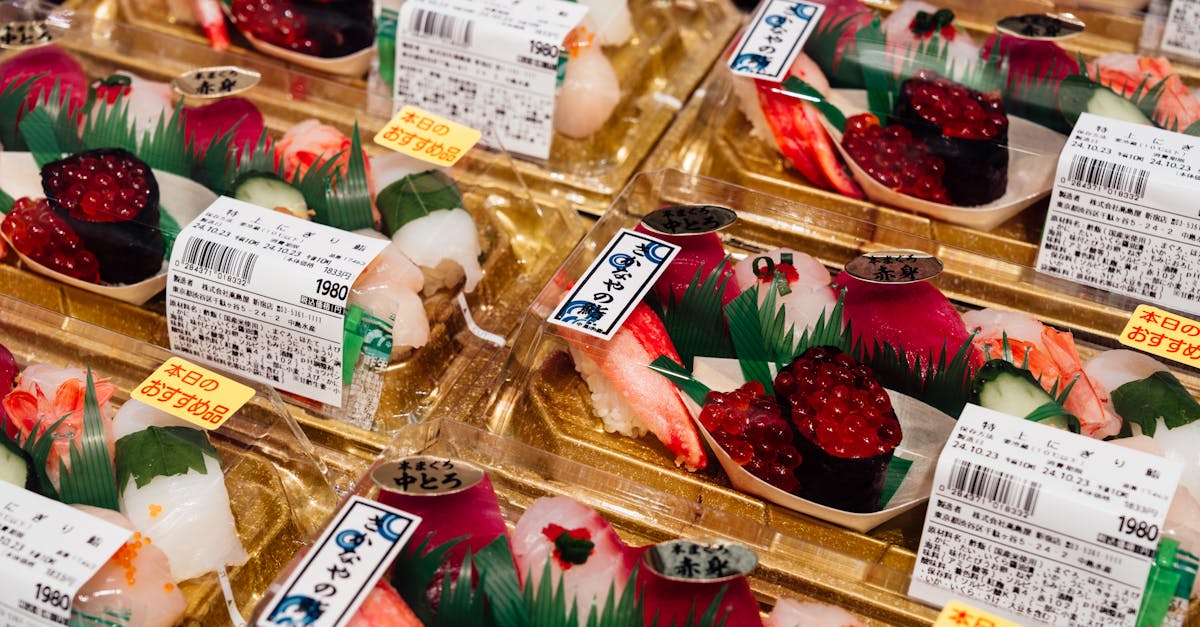
Food inflation softened overall. Rice remained the standout, with prices up 34% despite government buys to stockpile. Tokyo saw rice inflation at 40.2% in recent months, the slowest in over a year but still high. The government blamed weather and import issues. Efforts to import more and release reserves aim to bring costs down further.
Utilities mixed: electricity up 4.9% from 3.5%, gas steady at 0.7%. Housing held at 0.9%, household items at 1.8%, health at 0.8%. Education costs fell 5.6%, same as before.
Underlying trends pointed to wage gains and a weaker yen pushing service prices. Labor costs in sectors like care and retail stayed firm.
"Japan is still half way to sustainable inflation backed by wage growth," Japanese Prime Minister Sanae Takaichi told parliament.
What This Means
The slowdown gives the Bank of Japan room to pause. Its meeting ends today, with most expecting the 0.75% rate to stay put. Officials will likely stress watching wages and prices closely. If core-core stays near 3%, more hikes could come later in 2026.
For voters, rice bills hit home. With elections near, parties promise more aid on food and energy. Prime Minister Takaichi's team eyes welfare boosts to offset costs without sparking too much spending.
Economists see headline and core rates dipping more in early 2026. Energy subsidies return, rice expected to cool to under 20%, and global oil steady. Tokyo inflation preview next week may show 1.7%, down from 2.0%.
Businesses face less pressure to raise prices fast. But firms in services note staff demand higher pay, passing costs to customers. Households get some relief on bills but watch groceries. The 2% target looks closer, yet sticky parts like wages keep policy makers alert.
Longer term, Japan shifts from deflation. Steady 2% inflation could build confidence, spur investment. The central bank plans gradual moves, maybe one or two hikes this year if data holds. Government spending on welfare tempers the slide but risks debt buildup.
Tokyo's numbers will give early clues for January. Forecasts put inflation at 2.6% end of quarter, trending to 2.2% in 2027. Rice stocks build, imports rise, aiming for normal levels by summer.