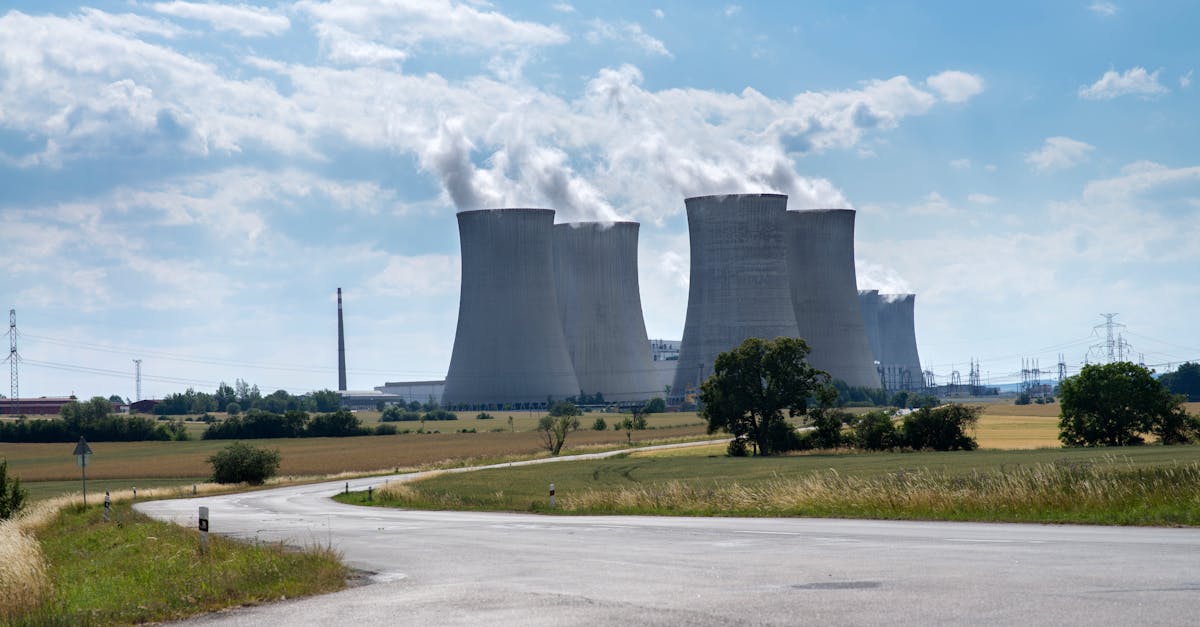
Japan restarted a reactor at the world's largest nuclear power plant on Wednesday, more than 14 years after the Fukushima meltdown devastated the country and triggered a near-total shutdown of its atomic energy sector. The Kashiwazaki-Kariwa plant in Niigata prefecture began removing control rods and starting up the reactor after 7 p.m. local time, following approval from regional officials and the country's nuclear regulator.
The restart represents a dramatic reversal of Japan's post-Fukushima energy policy and signals the government's determination to rely more heavily on nuclear power to meet growing electricity demands and reduce carbon emissions. Prime Minister Sanae Takaichi has made reviving atomic energy a centerpiece of her administration's strategy, pushing for faster reactor restarts, extended operational lifespans, and construction of new plants.
Background
The 2011 Fukushima Daiichi nuclear disaster killed around 18,000 people and triggered a national trauma that led to the shutdown of nearly all of Japan's reactors. Before the meltdown, nuclear power generated about one-third of the country's electricity. For years afterward, the sector remained largely dormant as public fear and regulatory uncertainty kept plants offline.
In recent years, Japan has gradually begun restarting reactors under strict new safety standards. Fourteen reactors have resumed operation since the post-Fukushima shutdown, with thirteen running as of mid-January. However, the Kashiwazaki-Kariwa restart marks a significant milestone because of the plant's size and symbolic importance. The complex sits on Japan's west coast and has long been a focal point of local safety concerns.
The shift in policy reflects Japan's energy challenge. Despite a declining population, the country faces growing electricity demands from power-hungry artificial intelligence data centers and the need to reduce reliance on fossil fuels. Under a government plan approved in February, nuclear power is expected to account for around 20 percent of Japan's energy supply by 2040, up from roughly 8.5 percent in the 2023-24 fiscal year.
Key Details
Safety Measures and Local Opposition
The Kashiwazaki-Kariwa plant has undergone significant safety upgrades since the Fukushima disaster. Operators installed a 50-foot-high tsunami wall, elevated emergency power systems, and other protective measures. The plant also had to meet new regulatory standards established after 2011, a process that took years to complete.
Despite these upgrades, local residents remain deeply anxious. The plant sits in an active seismic fault zone and was struck by a strong earthquake in 2007. On Tuesday, dozens of protesters, many elderly, gathered in freezing temperatures near the plant entrance to voice their opposition.
"I think it's impossible to evacuate in an emergency," said Chie Takakuwa, a 79-year-old resident of Kariwa.
In early January, seven groups opposing the restart submitted a petition signed by nearly 40,000 people to plant operator Tokyo Electric Power and Japan's Nuclear Regulation Authority. The petition highlighted concerns about the active seismic fault zone and questioned whether evacuation plans were adequate.
"We can't remove the fear of being hit by another unforeseen earthquake. Making many people anxious and fearful so as to send electricity to Tokyo is intolerable," the petition stated.
The governor of Niigata prefecture approved the restart last month, though public opinion in the region remains sharply divided. The regional assembly gave final approval in December 2025, clearing the way for the reactor to begin operations.
The Broader Energy Strategy
The restart reflects a significant policy shift in Tokyo. The government removed language from its latest energy plan that had appeared since 2011 calling for reducing nuclear dependence. For the first time since the Fukushima disaster, the government is now permitting new reactor construction.
Tokyo Electric Power operates the Kashiwazaki-Kariwa complex, which has seven reactors. The company plans to restart additional units in the coming years, though work on safety measures for other reactors is not scheduled to be completed until 2029 and 2031.
Japan also continues to face the massive task of decommissioning the Fukushima plant itself, a project expected to take decades and consume enormous resources.
What This Means
The restart signals that Japan is betting heavily on nuclear energy to solve its energy challenges. The country needs reliable electricity sources to power data centers and meet climate goals, and nuclear power provides carbon-free generation without the land requirements of solar and wind farms.
However, the decision also reflects the persistent tension between Japan's energy needs and public anxiety about nuclear safety. Fukushima remains a fresh memory for many Japanese citizens, particularly those living near nuclear facilities. Local governments now have significant power over reactor restarts, giving residents a voice in energy decisions.
The success of the Kashiwazaki-Kariwa restart may influence whether other reactors are allowed to resume operations. Japan has multiple plants awaiting approval, and public acceptance will likely determine how quickly the country can increase its nuclear power share. The government aims to have nuclear provide 20 percent of energy by 2040, a goal that will require many more restarts and years of construction work on safety systems.