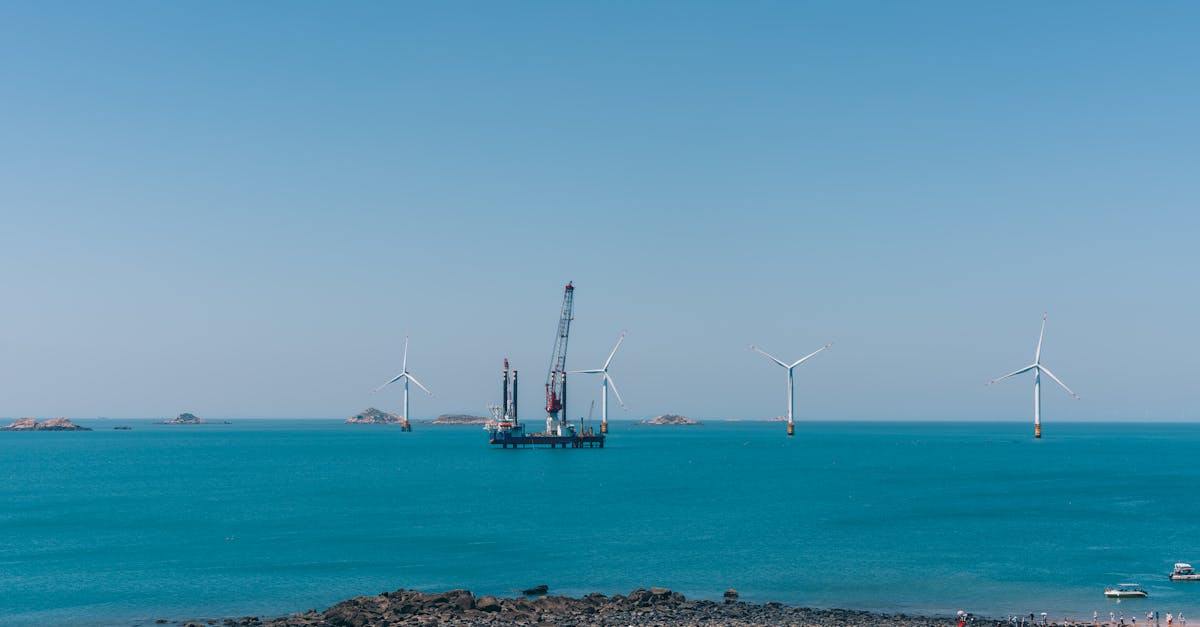
Federal judges in three separate courts have ordered a restart of construction on key offshore wind projects along the U.S. East Coast. The rulings, handed down this week, block the Trump administration's December order from the Department of the Interior that paused five projects over national security concerns. The projects now cleared to proceed are Empire Wind off New York, Revolution Wind off Rhode Island, and Coastal Virginia Offshore Wind off Virginia.
Background
Offshore wind farms have become a big part of plans to bring clean power to East Coast states. These states often lack space for wind turbines or solar panels on land, so they look to the ocean. The projects in question total about 6 gigawatts of power, enough to supply electricity to millions of homes.
The Trump administration issued stop-work orders just before Christmas. Officials said the projects could interfere with radar operations used for defense. Developers had already worked through permitting processes that addressed radar issues, like picking sites to cut down on problems and upgrading equipment to handle turbine noise.
President Trump has spoken against offshore wind before. Last week, he called wind farms losers that cost money, harm views, and kill birds. The Interior Department's move hit projects at different stages. Some were nearly done, others halfway through.
Developers and states quickly filed lawsuits. They argued the orders broke rules and lacked solid reasons. Courts moved fast, with hearings in Washington, D.C., and Virginia.
Key Details
The first ruling came Monday from Senior Judge Royce Lamberth in Washington. He allowed Revolution Wind, run by Danish company Orsted, to restart work. This project serves Rhode Island and Connecticut. It is almost complete and set to provide about 20% of Rhode Island's electricity needs and 5% for Connecticut.
"The government did not sufficiently explain the need for a complete stop to construction." – Senior Judge Royce Lamberth
Thursday brought a win for Empire Wind, developed by Norwegian firm Equinor. U.S. District Judge Carl J. Nichols, a Trump appointee, granted a preliminary injunction. Empire Wind is 60% done and meant to power over 500,000 New York homes. During the hearing, Nichols noted the government did not address claims that its order was arbitrary. He questioned why construction needed to stop if security worries centered on operations, not building.
On Friday, U.S. District Judge J. Harvie Wilkinson in Virginia sided with Dominion Energy on Coastal Virginia Offshore Wind. This project, started in early 2024, will have 176 turbines to power 660,000 homes. Dominion said the halt threatened timely delivery amid rising demand from data centers.
Remaining Projects
Two projects still face pauses. Orsted's Sunrise Wind for New York has a hearing pending. Vineyard Wind off Massachusetts, by Avangrid and Copenhagen Infrastructure Partners, has no public lawsuit yet.
Equinor welcomed the Empire Wind ruling. A company spokesperson said they will keep working with the government for safe operations. Molly Morris, Equinor's senior vice president for the project, stressed the need to deliver power to New York.
The government pushed back in court. Associate Attorney General Stanley Woodward Jr. compared the projects to a risky nuclear build, saying security risks apply from the start. Opponents like Robin Shaffer of Protect Our Coast New Jersey back the pauses and want appeals.
Sean McGarvey, president of North America’s Building Trades Unions, praised the rulings. They let union workers return to sites.
What This Means
These court wins let work resume while full lawsuits play out. Developers face tight schedules. Specialized ships are hard to book, and delays could mean big losses or project deaths. Empire Wind said a prolonged pause might end it due to vessel shortages.
For the power grid, the projects promise steady clean energy. Revolution Wind nears completion, Coastal Virginia could deliver soon, and Empire Wind adds major capacity. East Coast states count on them to cut costs and meet green goals amid growing needs from data centers and electrification.
The administration may appeal. If higher courts side with them, pauses could return. Legal experts note the government likely has power to act on security if it follows proper steps. For now, turbines can spin up again on the Atlantic.
States like New York, Rhode Island, Connecticut, and Virginia pushed hard in these suits. Groups like the Regional Plan Association called the wins good for consumers facing high bills. Offshore wind now tests how courts balance security claims against energy projects.
Union jobs return, with thousands employed on these builds. Coastal Virginia alone involves major workforce. Developers plan quick restarts to hit deadlines.
The fights highlight tensions over renewables. Trump officials cite real radar issues, but courts want better proof linking them to construction halts. More hearings loom for the other projects, keeping the issue alive.