
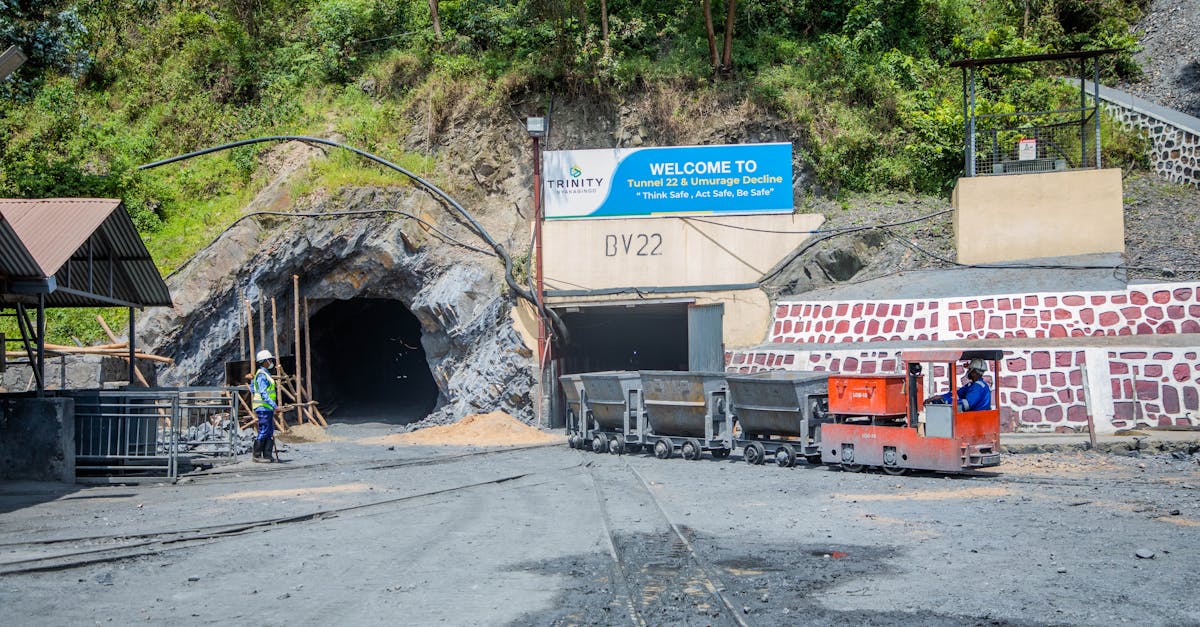
At least 200 people are dead after a landslide collapsed multiple mines at one of the world's largest coltan mining sites in eastern Democratic Republic of Congo. The disaster struck Wednesday at the Rubaya mines, which sit in a mineral-rich region that has been wracked by conflict for decades. Local authorities say heavy rains caused the ground to give way, burying miners and destroying tunnels across the site.
The death toll makes this one of the deadliest mining disasters in recent years. Many victims remain trapped beneath mud and debris, and rescue efforts have been hampered by the scale of the collapse and the remote location of the mines. Injured survivors have been taken to three health facilities in the town of Rubaya, with plans to transfer the most seriously wounded to Goma, the nearest major city about 50 kilometers away.
Background
Rubaya lies in North Kivu province in eastern Congo, a region that has experienced waves of conflict involving government forces and various armed groups for more than two decades. The M23 rebel group, which is backed by Rwanda, seized control of the town and its mines in May 2024. Since taking over, the rebels have imposed taxes on coltan trading and transport, generating at least $800,000 each month according to United Nations reports.
The mines are vital to global supply chains. Coltan is a black metallic ore containing tantalum, a rare metal essential for smartphones, computers, and aircraft engines. Congo is the world's largest coltan producer, supplying about 40 percent of global output in 2023. The Rubaya mines alone account for over 15 percent of the world's tantalum supply, making them critical to the technology industry worldwide.
The region has been destabilized by ongoing fighting despite a deal signed between Congo and Rwanda brokered by the United States. More than 7 million people have been displaced by various conflicts in eastern Congo, with over 300,000 fleeing their homes since December. The humanitarian crisis continues to worsen as different armed groups fight for control of territory and resources.
Key Details
The landslide occurred Wednesday at the Rubaya coltan mines, which are controlled by M23 rebels. Lumumba Kambere Muyisa, spokesman for the rebel-appointed governor of North Kivu province, confirmed the death toll and explained what happened.
"For now, there are more than 200 dead, some of whom are still in the mud and have not yet been recovered." – Lumumba Kambere Muyisa, rebel spokesman
Muyisa said heavy rains caused the landslide. The rebel-appointed governor has temporarily halted artisanal mining operations at the site and ordered residents who had built shelters near the mines to relocate.
Why the mines are so dangerous
Former miners at the site say the Rubaya mines have a history of collapses because of how they are constructed and operated. The tunnels are dug entirely by hand using basic tools, with no proper engineering or safety measures in place. Maintenance is virtually nonexistent, leaving the mines vulnerable to collapse when heavy weather strikes.
"People dig everywhere, without control or safety measures. In a single pit, there can be as many as 500 miners, and because the tunnels run parallel, one collapse can affect many pits at once." – Clovis Mafare, former miner
The lack of safety standards means that when one section fails, the collapse can trigger failures across multiple adjacent tunnels, trapping large numbers of workers at once. Miners work for very low wages in these conditions, driven by poverty and limited economic opportunities in the conflict-affected region.
What This Means
The disaster raises serious questions about the human cost of mining in conflict zones. Workers in these mines operate without basic protections or oversight, and armed groups controlling the sites prioritize profit over safety. The United Nations has accused M23 of using mining revenues to fund its military operations, though Rwanda denies this claim.
The collapse also threatens global coltan supplies. Any prolonged shutdown of the Rubaya mines could affect production of smartphones, computers, and other technology products worldwide. Companies that depend on coltan from this region may face supply disruptions if mining operations remain halted for an extended period.
The tragedy shows how conflict and instability in resource-rich regions create dangerous conditions for workers. Without government oversight or international regulation, mining sites in areas controlled by armed groups operate with minimal safety standards. Workers face constant risk from both the hazardous conditions and the violence that surrounds them.
The rebel-appointed governor's decision to temporarily halt mining and relocate nearby residents suggests some acknowledgment of the dangers, but questions remain about whether lasting changes will be made to protect miners. The fundamental problem persists: in a region torn by conflict, mining operations continue with little regard for worker safety or environmental protection.