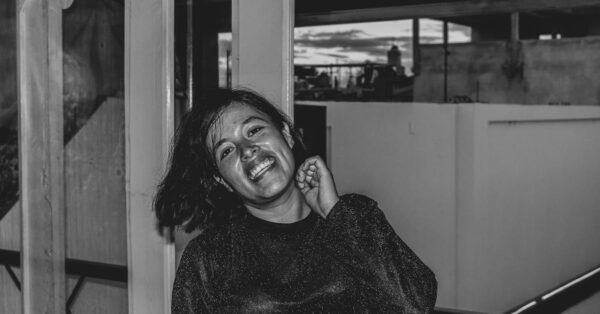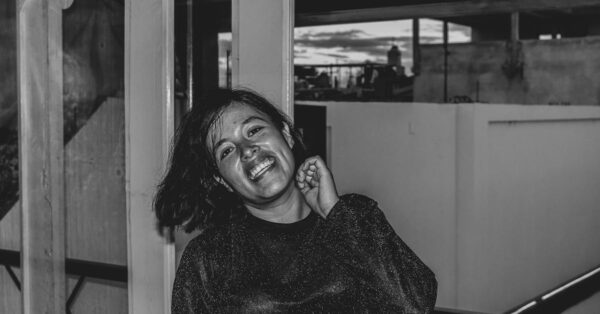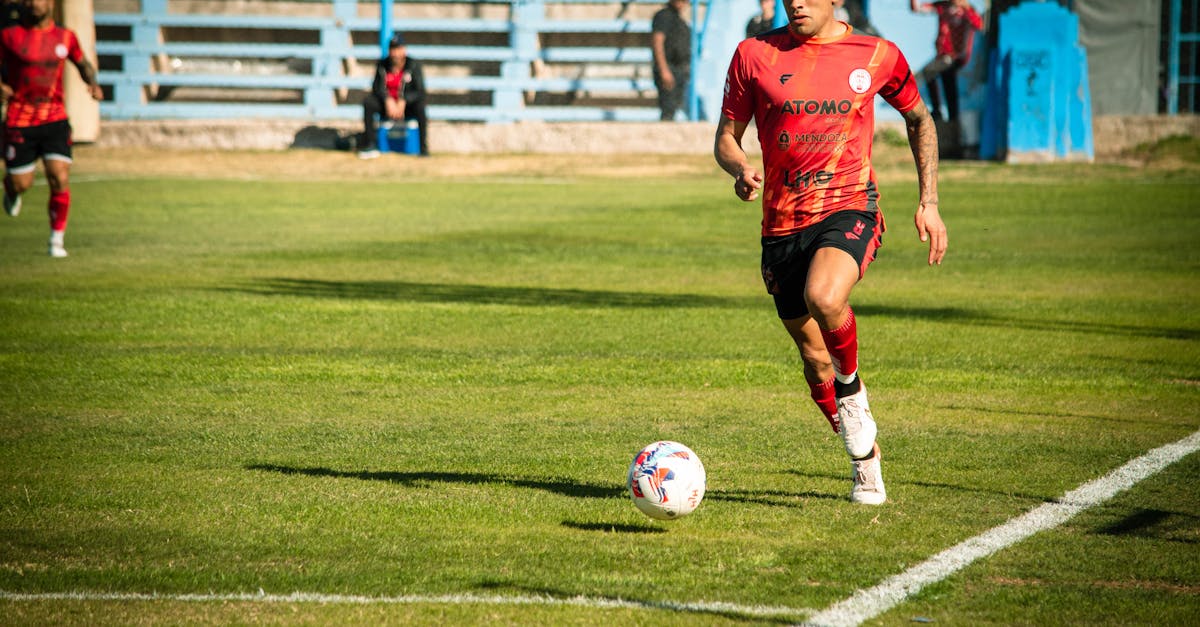
Lorena Muñoz, the Argentine director behind the hit film I'm Gilda, will direct Pioneers, a limited series about Argentina's women's soccer team at the 1971 Women's World Cup. The story focuses on the team's path in Mexico, where a group of amateur players from Argentina beat England in a tournament that few people remember today.
Background
Women's soccer in the early 1970s was not taken seriously in most places. In Argentina, it faced even more pushback. The sport was mostly for men, and women who played were often seen as outsiders. But in 1971, a small group of women from Buenos Aires decided to form a team. They called themselves the Pioneers. With no real training grounds or support, they practiced on dusty fields and borrowed gear from friends.
The 1971 Women's World Cup took place in Mexico City. It was not an official FIFA event. A local organizer named Guillermo Aguilar put it together because FIFA ignored women's soccer. Teams came from places like England, France, and Argentina. The Argentines arrived with just enough money for bus tickets and basic uniforms. They stayed in cheap hostels and ate simple meals to save cash.
Argentina's team was made up of factory workers, teachers, and housewives. Their captain, Elba Tersigni, was a key leader. She rallied the players despite the odds. The team trained hard in secret back home, dodging bans from local soccer clubs that did not allow women. When they got to Mexico, they faced stronger teams but played with heart. Their win over England, 4-1, shocked everyone. It put Argentina on the map for women's soccer, even if the victory faded from memory over time.
Lorena Muñoz brings her own experience to this project. Born in 1972 in Buenos Aires, she started directing short films in the late 1990s. Her early works like El rapto de Lena in 1997 and Pintor Gómez in 1998 showed her skill with real-life stories. She moved to features with Yo no sé qué me han hecho tus ojos in 2003, a drama that earned praise. Los próximos pasados followed in 2006, digging into family ties and loss.
Muñoz hit big with I'm Gilda in 2016. The film tells the life of singer Myriam Alejandra Bianchi, known as Gilda, who rose from a kindergarten teacher to a cumbia star in the 1990s. It starred Natalia Oreiro and drew crowds across Argentina. The movie made over a million dollars at the box office and won awards. Since then, Muñoz has directed El Potro: Unstoppable in 2018 about singer Rodrigo Bueno, and TV series like La hija de Dios in 2023. She often writes her own scripts and produces her films, giving her full control over the stories.
"These women were true pioneers. They played without pay, without fame, but they changed the game for all of us." – Elba Tersigni, former captain of Argentina's 1971 team
Key Details
Pioneers, or Pioneras in Spanish, will be a historical fiction series. It mixes real events with drama to show what life was like for the players. The story starts with how the team formed in Buenos Aires. Players faced family pressure and job issues to join. Some quit steady work to train. They fundraised door-to-door for the trip to Mexico.
The Tournament Run
In Mexico, the games were held at small stadiums with uneven fields. Argentina played Denmark first and lost, but bounced back. Their match against England was the highlight. Forward María Luciani scored twice, and the defense held strong. The 4-1 win came on July 20, 1971. Crowds cheered, but back home, newspapers barely covered it. The military government later cracked down on women's sports, burying the story further.
The series will feature about eight episodes. Production starts next year in Argentina and Mexico. Muñoz plans to use local actors for the players. She wants to film at real 1970s locations to capture the era. Costumes will show simple jerseys and worn cleats. The soundtrack mixes folk tunes with early soccer chants.
Muñoz has a team of writers who researched old photos and interviews. Surviving players like Tersigni shared stories. One tale tells of the team sneaking beer after wins because coaches banned it. Another describes a bus breakdown on the way to a game, forcing them to jog in the heat.
Muñoz's Approach
Muñoz knows how to handle real people in tough spots. In I'm Gilda, she showed the singer's rise amid threats from managers. El Potro covered fame's dark side. For Pioneers, she aims to highlight teamwork over stars. No single hero, but a group effort. She scouted fields in Buenos Aires where the original team practiced.
What This Means
This series could bring the 1971 team back to life for new fans. Women's soccer has grown since then. Argentina now has pro leagues and stars like those in the national team. But the Pioneers' story shows the roots. It reminds people of the barriers women broke just to play.
For Muñoz, Pioneers fits her pattern of Argentine tales. Her films often focus on underdogs who fight back. Success here might lead to more sports stories. It could also push for official recognition. Some players still seek medals from that tournament, which FIFA never endorsed.
The project draws interest from streaming services. It appeals to soccer fans and history buffs. In Argentina, it taps pride in overlooked wins. Globally, it adds to stories of women in sports before Title IX or equal pay fights. Viewers might see parallels to today's athletes.
Production teams talk with federations for accuracy. They plan screenings with the original players. This could spark books or docs on early women's soccer. For the sport, it fills a gap in history books that focus on men's World Cups.
Muñoz's track record suggests strong storytelling. Her films pull big audiences by mixing facts with emotion. Pioneers might do the same, drawing 500,000 viewers or more. It sets up talks for international sales. In Mexico, where the cup happened, it honors the host's role.
The series arrives as women's soccer hits peaks. The 2023 World Cup drew record crowds. Pioneers connects past to now, showing progress built on those first steps. Players' families watch closely, hoping for justice in the telling.