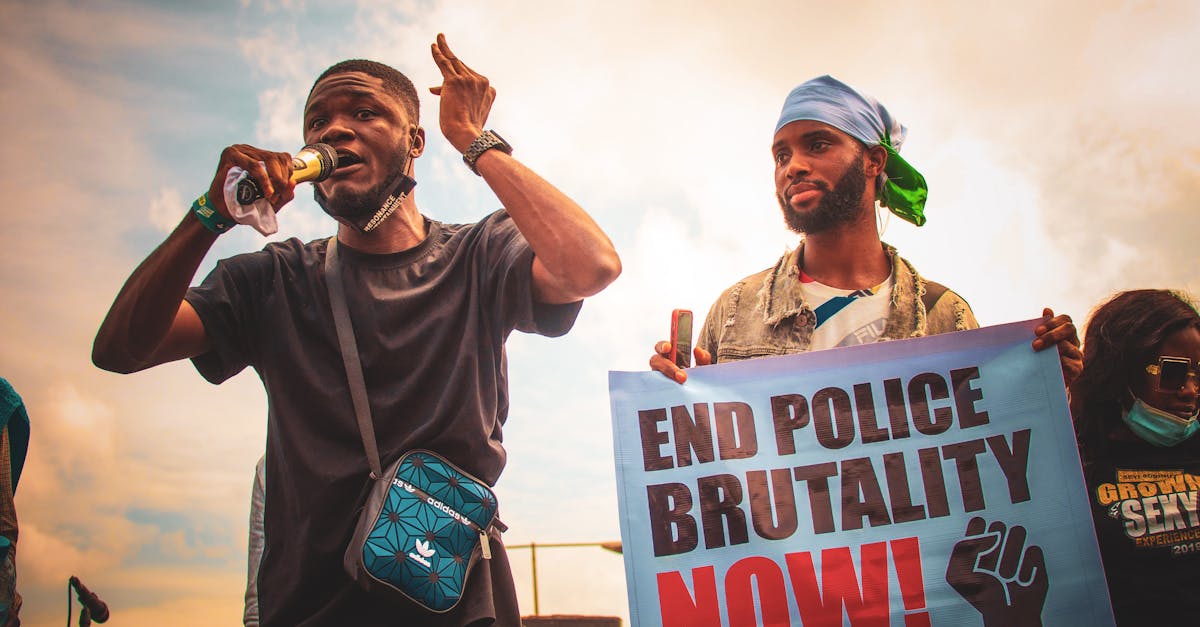
Hundreds of protesters marched through downtown Minneapolis on Sunday afternoon against Immigration and Customs Enforcement operations, one day after Border Patrol agents fatally shot 37-year-old ICU nurse Alex Pretti. The demonstration came amid growing anger over a series of confrontations between federal agents and residents during the Trump administration's expanded immigration raids in Minnesota.
Background
Tensions in Minnesota have built for weeks over federal immigration enforcement. The Trump administration launched Operation Metro Surge, sending thousands of ICE and Border Patrol agents into the state to carry out arrests in immigrant neighborhoods. This effort led to thousands of detentions and sparked widespread protests.
The first major incident happened on January 7, when ICE agent Jonathan Ross shot and killed 37-year-old Renée Good in Minneapolis. Video showed officers approaching Good's car. She backed up, turned, and drove forward. Ross, standing in front, fired multiple shots. Federal officials said Good tried to run him over. Her family's lawyers said she was steering away from the agents. The shooting set off days of marches and rallies across the city.
A week later, on January 15, another clash occurred. DHS reported that a Venezuelan migrant and two others attacked an ICE officer with a snow shovel and broom handle during an arrest attempt. The officer shot the main target in the leg. The man survived with non-life-threatening injuries and faced assault charges.
Protests kept growing. On January 18, demonstrators disrupted a church service in St. Paul at Cities Church because the pastor also worked for ICE. The same day, agents entered a home in St. Paul and detained ChongLy 'Scott' Thao, a 56-year-old U.S. citizen of Hmong descent, at gunpoint without a warrant. Thao was in his underwear and Crocs, with a blanket over his shoulders in the snow. DHS said they targeted two convicted sex offenders at the address and that Thao matched a description. His family denied the suspects lived there. Thao was released later.
These events fueled a statewide general strike on January 23, called the Day of Truth & Freedom. Labor unions, community groups, and faith leaders urged people to skip work, school, and shopping. Tens of thousands joined protests in freezing weather. Hundreds of businesses closed in support. Clergy members were arrested at Minneapolis-St. Paul International Airport during demonstrations.
Minneapolis Mayor Jacob Frey called the federal presence destabilizing and accused ICE of racial profiling. He demanded agents leave the city.
Key Details
Alex Pretti's death on Saturday marked the second fatal shooting tied to federal operations. Pretti, a registered nurse at the Minneapolis VA hospital, was known for his sharp mind and love of the outdoors. Friends and colleagues held candlelight vigils across Minnesota that evening, with people gathering in parks and on street corners.
Protest Timeline on Sunday
By 8 a.m., activist groups announced an emergency rally at Government Plaza, 300 S. 6th St., starting at 1 p.m. At 10:25 a.m., a large group of protesters faced off with federal officers at City View apartments in Minneapolis's Near North neighborhood. Videos showed verbal clashes, but no arrests were confirmed.
At 1:10 p.m., a few hundred people gathered downtown. This was smaller than the 10,000 who marched on Friday, but still drew chants of 'Shut it down' and signs demanding justice for Pretti. Protesters waved banners calling for ICE to leave Minnesota.
A judge granted a restraining order against the Department of Homeland Security following Pretti's shooting. Details of the order were not immediately available.
Governor Tim Walz addressed the situation directly.
"This second fatal shooting is an inflection point. I urge President Trump to remove these federal agents from our streets immediately."
– Minnesota Governor Tim Walz
Protests spread beyond Minneapolis. Similar actions happened in Los Angeles and Portland, with live streams showing multi-city opposition to ICE tactics.
Federal raids continued Sunday. Officials expect more arrests as Operation Metro Surge presses on. Earlier, President Trump threatened to invoke the Insurrection Act if state leaders did not stop what he called attacks on ICE agents.
What This Means
Pretti's death has deepened divides in Minnesota. Local leaders see the shootings as signs of federal overreach, while the Trump administration defends the operations as necessary for public safety and immigration control. The restraining order could limit DHS actions in the short term, but appeals may follow.
Protests show no sign of stopping. Organizers demand ICE withdrawal, accountability for the shootings, and cuts to federal funding. The general strike proved businesses and workers will join the pushback, hitting the local economy to make a point.
Walz's call to Trump highlights a standoff between state and federal powers. If agents stay, more clashes seem likely, especially with cold weather not deterring crowds. The incidents have raised questions about use of force, warrants, and targeting in raids. Families of those involved dispute federal accounts, pointing to videos and witness statements.
Mayor Frey has pushed for peaceful action but repeated his demand: federal agents must go. Community groups plan more events, including airport rallies and neighborhood watches to monitor ICE movements.
The surge in enforcement has detained thousands, separated families, and drawn national attention. Two children, Liam and his father, remain in a Texas detention center after a separate ICE action. Their case adds to concerns over tactics affecting U.S. citizens and legal residents.
As Monday begins, Minnesota waits for any response from Washington. Raids continue, and protesters prepare to march again. The path forward depends on whether federal agents pull back or double down.