NASA moved its towering Artemis 2 moon rocket across the Florida landscape on Saturday in a carefully orchestrated operation that marked a major step toward sending astronauts back to the moon for the first time since 1972. The 322-foot-tall Space Launch System rocket, stacked atop a mobile launch platform with the Orion spacecraft, began its journey from the Vehicle Assembly Building to Launch Pad 39B at Kennedy Space Center at 7:04 a.m. EST. The entire stack, weighing 11 million pounds, traveled the four-mile route at roughly one mile per hour, a journey that took up to ten hours to complete.
The rollout represented a critical checkpoint in NASA's timeline for the Artemis II mission, which aims to launch Commander Reid Wiseman, Pilot Victor Glover, Mission Specialist Christina Koch, and Mission Specialist Jeremy Hansen on a crewed flight around the moon. With a launch window opening as early as February 6, the space agency is working against a tight schedule to prepare the rocket and spacecraft for flight.
Background
The Artemis program represents NASA's effort to return humans to lunar exploration after a gap of more than fifty years. Artemis I, an uncrewed test flight in 2022, validated the Space Launch System rocket and Orion spacecraft design. Artemis II builds on that success by adding the critical element that makes the mission historic: a crew of four experienced astronauts.
The Space Launch System is among the most powerful rockets ever built, designed specifically for deep space missions. The Vehicle Assembly Building, where the rocket was prepared, is the same facility that processed Saturn V rockets during the Apollo program. NASA's Crawler Transporter 2, the massive vehicle that hauled the rocket to the pad, was also originally built for the Apollo missions, demonstrating how the space agency continues to rely on decades-old infrastructure for its most ambitious projects.
Key Details
The Journey to the Launch Pad
The rollout began early Saturday morning and proceeded methodically across the Kennedy Space Center grounds. NASA had established strict weather criteria for the operation, including limits on lightning risk, wind speeds, and temperature ranges. The crawler moved at a walking pace to ensure the stability of the rocket and its delicate spacecraft payload.
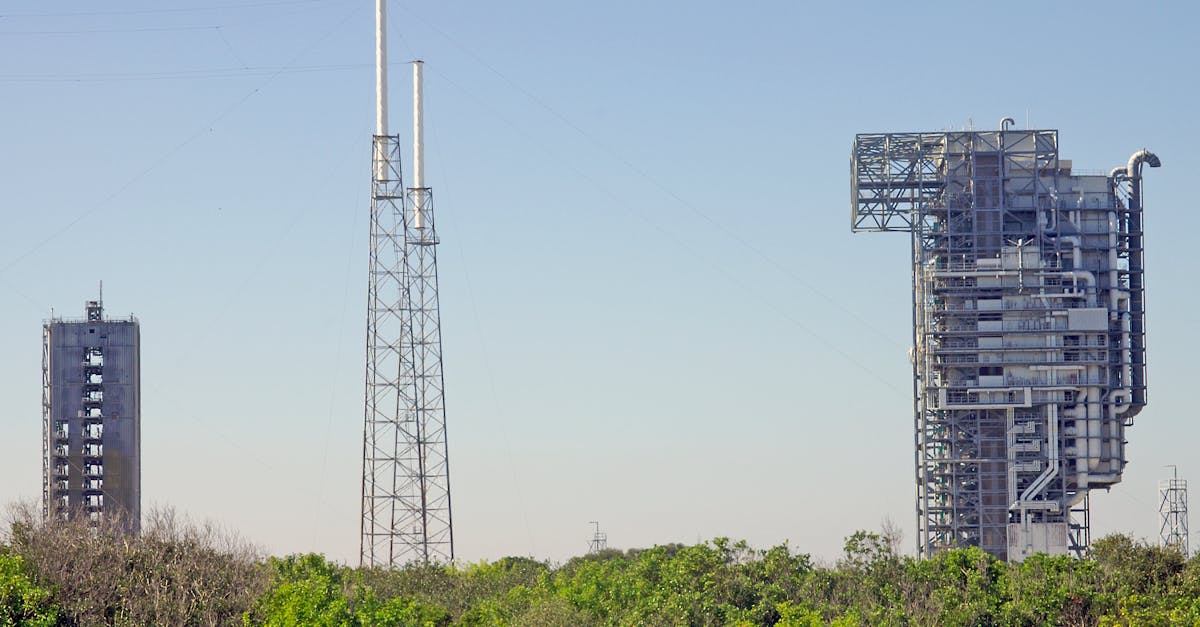
Once the rocket reached Launch Pad 39B, NASA technicians began connecting it to ground infrastructure. The pad itself is one of two at Kennedy Space Center equipped to handle the Space Launch System, and it previously served as the launch site for Space Shuttle missions.
The Path to Launch
With the rocket now at the pad, NASA's focus shifts to final preparations and testing. The space agency has scheduled a "wet dress rehearsal" for February 2, during which the rocket will be fueled and all launch systems will be tested without actually igniting the engines. The results of that test will determine whether NASA proceeds with the February 6 launch date or adjusts the timeline.
"This is not a rush," NASA officials stated during briefings about the February launch window, emphasizing that safety and readiness take priority over schedule pressure.
The mission management team will assess flight readiness across multiple areas: the spacecraft systems, launch infrastructure, and the crew and operations teams. Any issues discovered during the wet dress rehearsal could lead to delays or even a rollback of the rocket to the Vehicle Assembly Building for additional work.
What This Means
The successful rollout signals that NASA's Artemis program is moving forward with momentum after years of development and testing. For the space agency, returning astronauts to the moon represents far more than a symbolic achievement. The Artemis II mission will demonstrate capabilities essential for deep space exploration and help lay groundwork for sustained lunar presence and, eventually, crewed missions to Mars.
For the four astronauts selected for the mission, the rollout represents a tangible step toward their historic flight. The crew will spend approximately ten days in space, orbiting the moon and testing systems in the actual environment where they will operate. This test flight is essential before NASA attempts to land astronauts on the lunar surface with the Artemis III mission.
The rollout also highlights NASA's reliance on aging infrastructure from the Space Age. The Vehicle Assembly Building, the Crawler Transporter, and Launch Pad 39B have all been in use for decades. While these facilities have been maintained and upgraded over the years, their continued operation demonstrates both the durability of Cold War-era engineering and the challenge facing NASA as it seeks to modernize its facilities for the twenty-first century.
With the rocket now at the launch pad, the next two weeks will be critical. The wet dress rehearsal in early February will provide the final data NASA needs to make its launch decision. If all systems perform as expected, the Artemis II crew could be lifting off toward the moon within weeks, marking a new chapter in human space exploration.