NASA has delayed the launch of its Artemis II mission after a hydrogen fuel leak stopped a key practice countdown at Kennedy Space Center in Florida. The mission, which will send four astronauts on a trip around the Moon, will not lift off in February as hoped. Instead, teams now aim for early March 2026 at the soonest.
The problem came up during a wet dress rehearsal, a full run-through of launch steps without actually firing the rocket. This test started over the weekend but hit snags from the start. Cold weather along Florida's Space Coast pushed the start back by two days. Once it began, engineers loaded super-cold liquid oxygen and hydrogen into the Space Launch System rocket's tanks. Everything seemed fine at first. The first stage tank reached 55 percent full with hydrogen. Then a leak showed up at the connection point between a fuel line on the launch pad and the rocket's base.
Background
Artemis II marks the first time humans will fly on this new rocket and spacecraft since the end of the space shuttle program over a decade ago. The crew includes NASA astronauts Reid Wiseman, Victor Glover, and Christina Koch, along with Canadian astronaut Jeremy Hansen. They will not land on the Moon but will loop around it, testing the Orion capsule on a real spaceflight.
This mission follows Artemis I, an uncrewed test flight in November 2022. That launch also faced hydrogen leaks. Engineers fixed them just enough to get the rocket off the ground. But the issues returned during this latest test for Artemis II. The Space Launch System, or SLS, stands 322 feet tall. It uses over 700,000 gallons of cryogenic fuels—liquid hydrogen and liquid oxygen—that must stay stable for hours during a countdown.
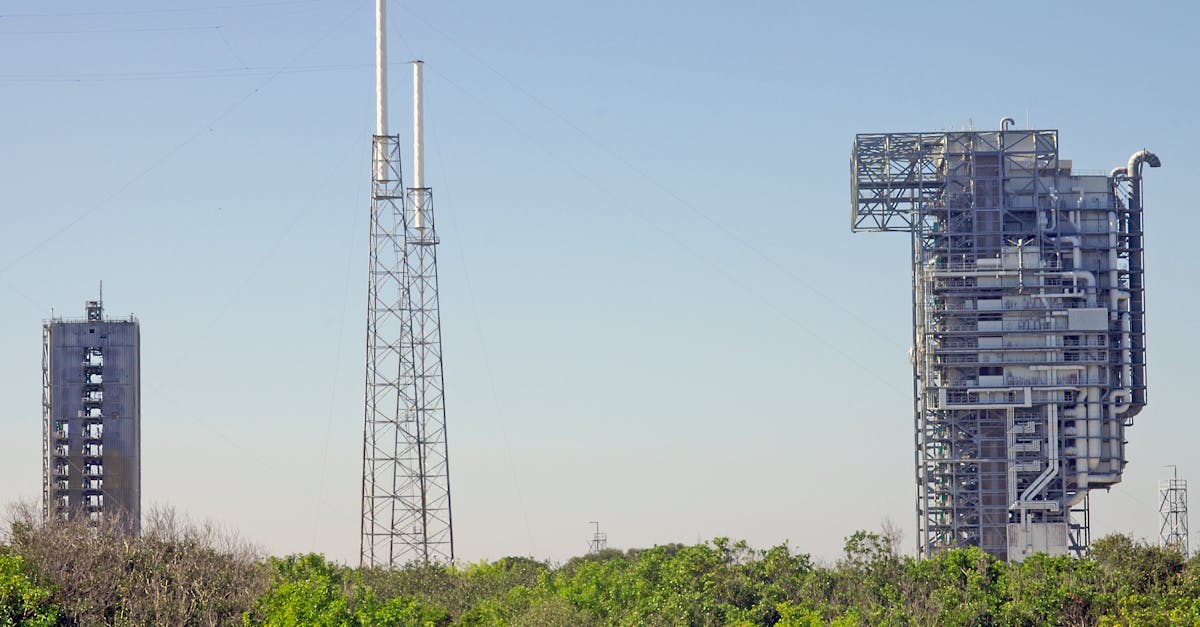
NASA built the SLS to replace older rockets for deep space trips. The agency picked this design years ago to reach the Moon and beyond. But development took longer than planned. Budgets grew, and technical hurdles piled up. Fuel leaks have been one of the biggest headaches. They happened multiple times before Artemis I. Now, more than three years later, the same trouble appeared again at the tail service mast umbilical—a pipe that carries hydrogen from the launch tower to the rocket.
The wet dress rehearsal is standard for big rockets. It loads real fuel, runs the countdown clock, and checks every system. For Artemis II, this was the first such test with the full rocket stacked on the pad. Astronauts stayed in Houston under quarantine, ready to fly if all went well. But the leak changed that.
Key Details
The test kicked off Saturday evening after weather cleared. Launch Director Charlie Blackwell-Thompson gave the go-ahead Monday morning. Fueling started 45 minutes late. Liquid oxygen went in first, then hydrogen for the core stage. At 55 percent full, sensors spotted excess hydrogen building up near the rocket's base. Teams paused the flow.
Troubleshooting the Leak
Engineers tried again. They got to 77 percent full before stopping once more. To fix it, they shut off the hydrogen, let the connection warm up so seals could reset, and adjusted the flow rate. This trick came from lessons learned on Artemis I. Eventually, all tanks filled to stable levels. A small team went to the pad to practice closing the Orion hatches, as if the crew had arrived.
The countdown dragged on past its planned end. Communication glitches and camera issues from the cold added delays. The clock hit a hold at T-minus 10 minutes. It restarted after midnight but stopped for good at T-minus five minutes and 15 seconds. The ground system detected the leak worsening and halted everything.
Teams drained the fuel safely by early Tuesday. Most upgrades from past tests worked. But the umbilical leak persisted. NASA held a review and set a new target: March for the next launch window.
The crew left quarantine in Houston. That move signals weeks, not days, until liftoff. Other small problems popped up too—a valve for Orion's hatch needed tweaks, and ground communications faltered.
"With more than three years between SLS launches, we fully anticipated encountering challenges. That is precisely why we conduct a wet dress rehearsal. These tests are designed to surface issues before flight." – NASA Administrator Jared Isaacman
What This Means
The delay pushes Artemis II into spring 2026. It gives engineers time to check seals, test fixes, and run more checks. Safety drives every choice. A leak on launch day could scrub the mission or worse.
This slip affects the whole Artemis plan. Artemis III, the first Moon landing with astronauts, waits behind it. NASA aims for 2027 there, but schedules have slid before. Partners like SpaceX, which builds the lunar lander, watch closely. Delays cost money—billions already spent on SLS and Orion.
The fuel issue highlights risks with cryogenic propellants. Hydrogen molecules are tiny and sneak through small gaps. Cold temperatures make seals shrink, worsening leaks. Teams have added vents, better fittings, and procedures since Artemis I. Yet the problem lingers.
For the astronauts, training continues. They have prepared for years. Wiseman commands the flight. Glover, Koch, and Hansen fill pilot, mission specialist, and another specialist roles. Their trip will last about 10 days, testing life support, navigation, and reentry.
NASA plans another briefing soon to outline next steps. Engineers will scrub the rocket, inspect the umbilical, and test seals on the ground. A second wet dress might happen if needed. The goal stays the same: return humans to the Moon's orbit and pave the way for landings.
The program faces outside pressure too. China pushes its own Moon plans. Europe, Japan, and Canada contribute to Artemis. A smooth Artemis II builds trust. Each delay tests patience but uncovers flaws early.
Workers at Kennedy pack up the test site. The rocket sits ready for tweaks. March brings new chances, weather permitting. Florida's Space Coast hums with activity as teams chase the stars.