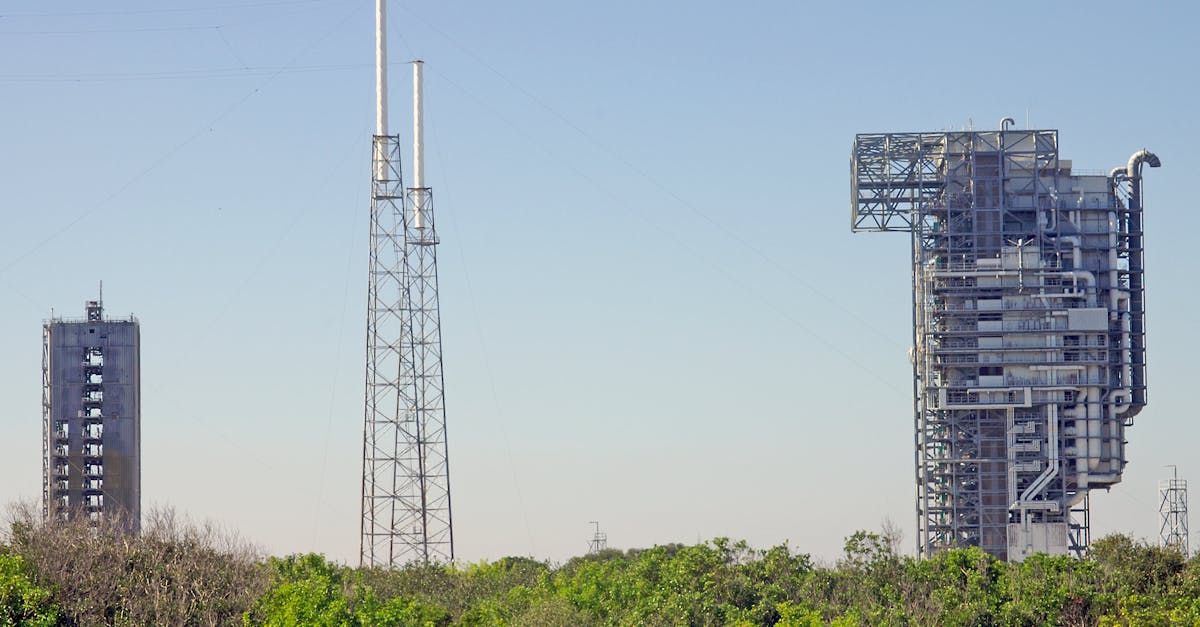
NASA's massive Space Launch System rocket and Orion spacecraft reached their launch pad on Saturday evening, marking a major milestone in preparations for humanity's return to lunar exploration. The 322-foot-tall rocket arrived at Launch Pad 39B at Kennedy Space Center in Florida at 6:42 p.m. EST after traveling just 4 miles from the Vehicle Assembly Building in nearly 12 hours.
The journey itself was a carefully orchestrated affair. NASA's crawler-transporter, the same vehicle that carried Apollo rockets decades ago, hauled the 11-million-pound stack at a maximum speed of just 0.82 miles per hour. The slow pace was intentional—the crawler needed to navigate turns and climb the incline leading to the launch pad with extreme caution. The rocket began moving at 7:04 a.m. EST on Saturday morning, and teams made a planned pause to reposition the crew access arm, a bridge that will allow astronauts to board the Orion spacecraft on launch day.
Background
The Artemis II mission represents NASA's first crewed lunar flight since Apollo 17 in 1972. The mission will carry four astronauts—NASA's Reid Wiseman, Victor Glover, and Christina Koch, along with Canadian Space Agency astronaut Jeremy Hansen—on an approximately 10-day journey around the moon and back to Earth. Unlike the Apollo missions, Artemis II will not land on the moon's surface; instead, it will circle the moon and return, serving as a test flight for NASA's new deep-space exploration capabilities.
The Space Launch System rocket and Orion spacecraft have been assembled and prepared at Kennedy Space Center since October. The rollout to the launch pad represents the culmination of months of work and the beginning of final preparations before flight. This is only the second Space Launch System rocket ever built, and it will be the most powerful rocket NASA has launched since the Saturn V missions of the Apollo era.
Key Details
The Wet Dress Rehearsal
Now that the rocket is at the pad, engineers and technicians face critical testing in the coming weeks. NASA plans to conduct what it calls a "wet dress rehearsal" no later than February 2. This test involves loading the rocket with cryogenic propellants—super-cold liquids that fuel the engines—running through a complete countdown sequence, and then safely draining the propellants from the rocket. The rehearsal is essential for verifying that all fueling systems work properly and that launch procedures are safe and effective.
"In the coming days, engineers and technicians will prepare the Artemis II rocket for the wet dress rehearsal, a test of fueling operations and countdown procedures. At the end of January, the team will load the rocket with cryogenic, or super-cold, propellants, run through the countdown, and practice safely draining the propellants from the rocket – all essential steps before the first crewed Artemis mission."
The results of the wet dress rehearsal will determine whether NASA clears the rocket for launch. NASA Administrator Jared Isaacman made clear that the space agency will not announce a firm launch date until after this test is complete. "We've, I think, zero intention of communicating an actual launch date" until the fueling demonstration is finished, Isaacman told reporters.
Launch Window
The earliest launch window opens on Friday, February 6. However, NASA has only a narrow window in early February before the launch schedule would slip to March. The space agency has approximately five days to launch in the first half of February before mission constraints force a delay.
What This Means
The arrival of Artemis II at the launch pad represents a significant step forward for NASA's long-term lunar exploration plans. The successful test flight of the Space Launch System and Orion spacecraft will provide important data about how these vehicles perform in deep space with humans aboard. This information will inform future Artemis missions, including Artemis III, which is planned to land astronauts on the lunar surface.
Beyond the moon, NASA views the Artemis program as a stepping stone to human Mars exploration. A sustained human presence on the moon will allow NASA to test technologies and procedures needed for the eventual journey to Mars. For the astronauts selected for Artemis II, the mission represents a rare opportunity—the chance to travel farther from Earth than any human has in over 50 years.
The next few weeks will be intense for NASA's teams at Kennedy Space Center. Engineers must connect the rocket to pad infrastructure, run countless checks, conduct the wet dress rehearsal, and prepare for launch operations. If all goes according to plan, four astronauts will soon embark on a historic journey that will carry human spaceflight back to the moon for the first time in a generation.