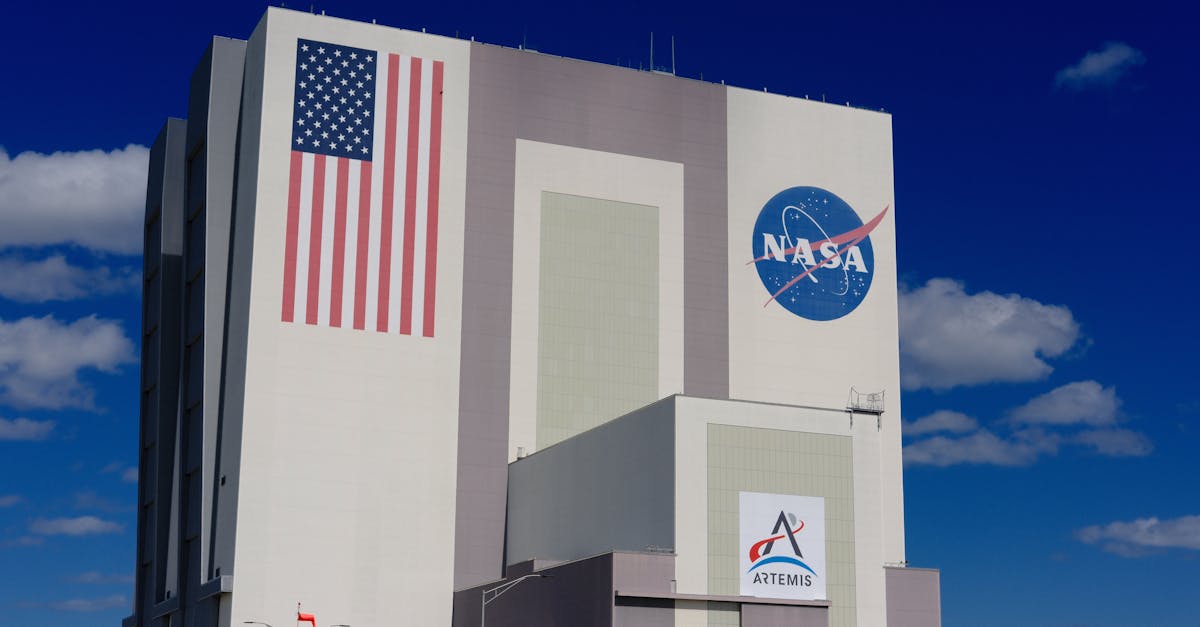
NASA teams at Kennedy Space Center in Florida are making final checks on the Artemis II rocket inside the Vehicle Assembly Building. The giant Space Launch System rocket, stacked with the Orion spacecraft, will begin its slow move to Launch Pad 39B early Saturday morning at 7 a.m. Eastern Time. This rollout marks a key step toward the first crewed Artemis mission, which will send four astronauts on a 10-day trip around the moon. The mission is set to launch as early as February 6, bringing humans back to lunar orbit for the first time in more than 50 years.
Background
The Artemis program aims to return humans to the moon and set up a long-term presence there. Artemis II is the second flight in this effort and the first with people on board. The first Artemis mission, Artemis I, flew without a crew in late 2022. It tested the SLS rocket and Orion capsule on a similar path around the moon.
This rocket is the second SLS built for Artemis. Workers assembled it piece by piece in the Vehicle Assembly Building, a massive hangar first used for the Apollo program and later for space shuttles. The 322-foot-tall stack includes a core stage powered by four RS-25 engines, two solid rocket boosters, and the Orion capsule on top. The crew for Artemis II includes NASA astronauts Reid Wiseman, Victor Glover, and Christina Koch, along with Canadian Space Agency astronaut Jeremy Hansen.
Teams have spent months fueling up components, running electrical tests, and checking connections. Overnight work on Friday will wrap up inside the VAB before the rollout starts. If weather or technical issues come up, NASA can delay the move or even roll the rocket back inside for fixes.
Key Details
The rollout will happen on a crawler-transporter, a huge tracked vehicle that carries the rocket at about one mile per hour. It takes several hours to cover the roughly 4-mile distance to the pad. Around 8 a.m., the rocket should come into public view as it exits the VAB doors.
Once at the pad, workers will service the boosters and prepare for a wet dress rehearsal. This test fills the rocket with liquid hydrogen and oxygen, runs through the full countdown, and checks all systems. The countdown stops at T-minus 29 seconds to avoid liftoff. If the test goes well, teams move to final closeout steps.
NASA held a news conference on Friday at noon Eastern to talk about the rollout and mission plans. Experts covered the rocket's condition, crew training, and next steps.
Crew and Mission Path
The four astronauts will launch from Pad 39B, the same spot used for Apollo 11 and many shuttle flights. Orion will separate from the SLS upper stage and loop around the moon without landing. The crew will see Earth rise over the lunar horizon, test life support systems, and splash down in the Pacific Ocean after 10 days.
Training for the crew includes simulations of every phase, from launch vibrations to reentry heat. Mission control in Houston will guide them throughout.
"This rollout and testing period is a significant step toward what we see as a monumental day for human spaceflight." – NASA Official
What This Means
A smooth rollout and wet dress rehearsal clear the path for launch. The February 6 date is the earliest target, but the window runs into April if delays hit. Success here builds confidence for Artemis III, planned to land astronauts on the moon's south pole.
The mission tests how well SLS and Orion work with people aboard. Data from the flight will help fix any issues for future trips. It also shows progress in NASA's partnership with private companies like Boeing and Lockheed Martin, who built key parts.
For the space industry, Artemis II proves the heavy-lift rocket can handle crewed flights. It opens doors for more lunar missions, including bases and trips to Mars later on. The rollout draws crowds to Kennedy Space Center, where visitors can watch from safe viewing areas.
Teams watch weather closely, as rain or high winds could pause the move. Backup plans keep things on track. After the pad work, the rocket stays vertical until launch day, when engines fire for over eight minutes to reach orbit.
This step reminds everyone of the Apollo era, but with new goals. Artemis focuses on steady trips to the moon, not one-off visits. The four astronauts represent the next generation, with two who have spaceflight experience and two newcomers to orbit.
Public interest runs high. NASA streams the rollout live on its platforms, letting people worldwide follow along. Reporters on site describe the scene as the rocket inches forward under Florida's sun.
The program faces challenges like tight budgets and past delays, but Friday's briefing showed steady progress. Engineers fixed small issues during assembly, ensuring the stack is ready. Crew simulations match real-time scenarios to prepare for anything.
Artemis II sets records as the first deep-space crew with a woman and person of color. It builds skills for longer stays on the moon and beyond. Each test, like this rollout, reduces risks for the humans who will fly.