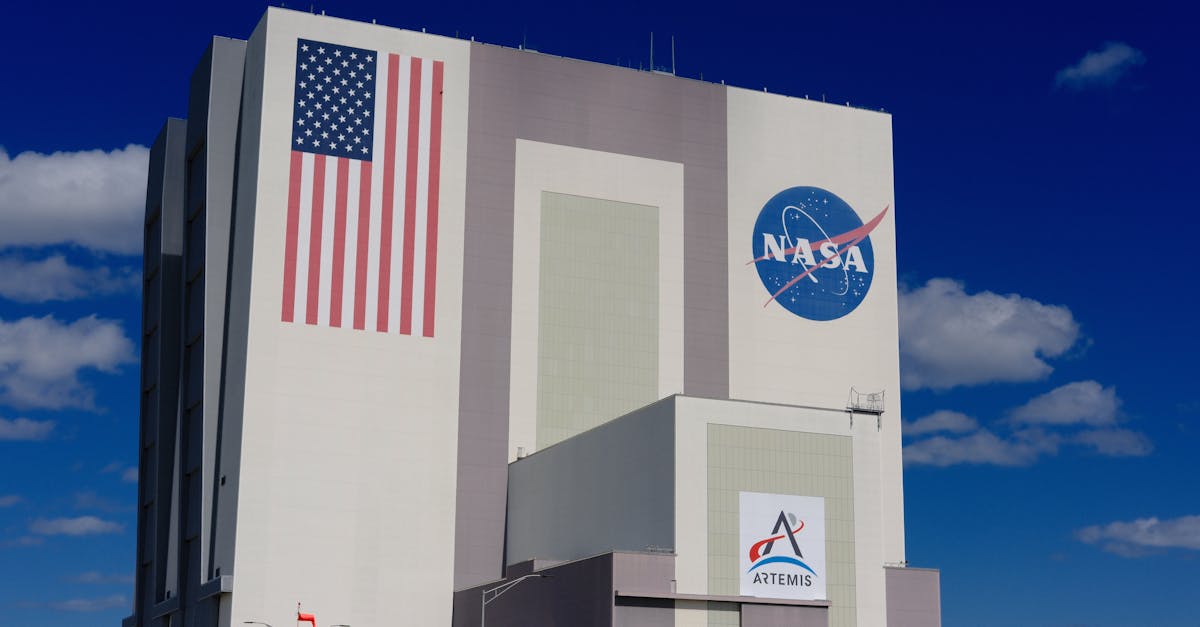
NASA started rolling out the Artemis II rocket and Orion spacecraft early Saturday morning from the Vehicle Assembly Building at Kennedy Space Center in Florida. The move to Launch Complex 39B sets the stage for the first crewed flight to the Moon's area since Apollo 17 in 1972, with four astronauts set to fly a 10-day trip around the Moon as early as February 6, 2026.
Background
The Artemis program aims to send people back to the Moon after more than 50 years. Artemis II follows the uncrewed Artemis I flight in 2022, which tested the Space Launch System rocket and Orion capsule on a similar path around the Moon. That test covered the main systems without people on board, paving the way for crewed trips.
This mission uses the same basic setup: the SLS Block 1 rocket, about 11 million pounds when fully loaded in the past but now part of a heavier stack at around 15 million pounds with the mobile launcher. The Orion spacecraft, named Integrity by its crew, will carry the astronauts on a free-return path. That means gravity from the Moon will sling them back to Earth without needing to orbit the lunar surface.
The rollout uses old Apollo-era gear still in service. The Vehicle Assembly Building, built in the 1960s, holds the rocket stack. The Crawler Transporter-2, or CT-2, carries it slowly along a seven-kilometer path lined with river rocks that act like ball bearings to ease the weight. This is the same route Saturn V rockets took for the Apollo landings.
Workers stacked the pieces over months: the core stage with four RS-25 engines from the shuttle days, solid rocket boosters, upper stage, and Orion on top. Unlike Artemis I, this stack has flight termination devices already installed, so fixes won't need a trip back to the building if issues pop up.
Key Details
The rollout began no earlier than 7 a.m. EST on January 17, 2026. The CT-2 moves at less than one mile per hour, so the trip could take up to 12 hours. Once at the pad, crews will level the stack, jack it down onto the platform, and hook up ground systems. The pad itself is a clean design from shuttle days, with lightning towers but no big service structures.
The Crew and Mission Path
The four astronauts lead the flight: Reid Wiseman as commander, Victor Glover as pilot, Christina Koch as mission specialist, and Jeremy Hansen from Canada as the other specialist. Wiseman ran NASA's astronaut office before this assignment. Glover and Koch flew to the space station before. Hansen will be the first Canadian on a deep space trip.
Their path starts with launch to low Earth orbit, then a burn to a 24-hour high orbit for system checks. They will rendezvous with the spent upper stage for practice. A final burn sends Orion toward the Moon, passing about 7,500 kilometers from the far side—farther from Earth than any crewed flight before. After 10 days, they splash down in the Pacific off California.
Orion will test life support fully: making air, removing carbon dioxide, handling water vapor from breathing, talking, and exercise. Crews will check it at high and low activity levels, like workouts and sleep.
Five small CubeSats from partner countries hitch a ride: Germany's TACHELES for lunar vehicle parts in space, Argentina's ATENEA for radiation and GPS tests, and ones from South Korea and Saudi Arabia. They deploy to high Earth orbit for science.
Next comes a wet dress rehearsal before launch. That means loading propellants and running a full countdown like the real thing, targeted for February 6 at 9:41 p.m. EST. It might reveal issues with the core stage, which skipped some prior engine tests.
"This flight is only the second mission for SLS, and its first flight with crew. Artemis II’s four-person crew will fly the Orion spacecraft, which they named Integrity, on a 10-day mission to loop around the Moon and return."
- NASA Spaceflight report on rollout
Launch windows span a few days each month from February to April, tied to Moon position, solar power, and supply needs.
What This Means
Artemis II tests all systems with people in deep space for the first time. Success clears the way for Artemis III, planned to land humans on the Moon, likely in 2027 or later. The program builds toward steady Moon presence for science, economy, and steps to Mars.
This rollout shows NASA can handle the heavy lift again. The 15-million-pound stack is the heaviest ever moved by CT-2, heavier than Saturn V or shuttles. Fixes from Artemis I speed things up, like pad access to safety systems.
For the crew, it's a milestone. They will go farther than Apollo crews from the Moon's near side. No landing this time, but flyby data on radiation, navigation, and life support will shape future trips.
International ties grow with Hansen and CubeSats under Artemis Accords. Partners share the push to Moon and beyond.
The wet dress and any fixes will decide if February holds. Past flows faced delays, like Artemis I's engine tests. But improvements aim for smoother ops while keeping safety first.
This step revives Moon flight prep at Kennedy. The same pads, buildings, and paths from Apollo now serve new goals. Workers watch weather and tech closely during rollout to avoid slips.