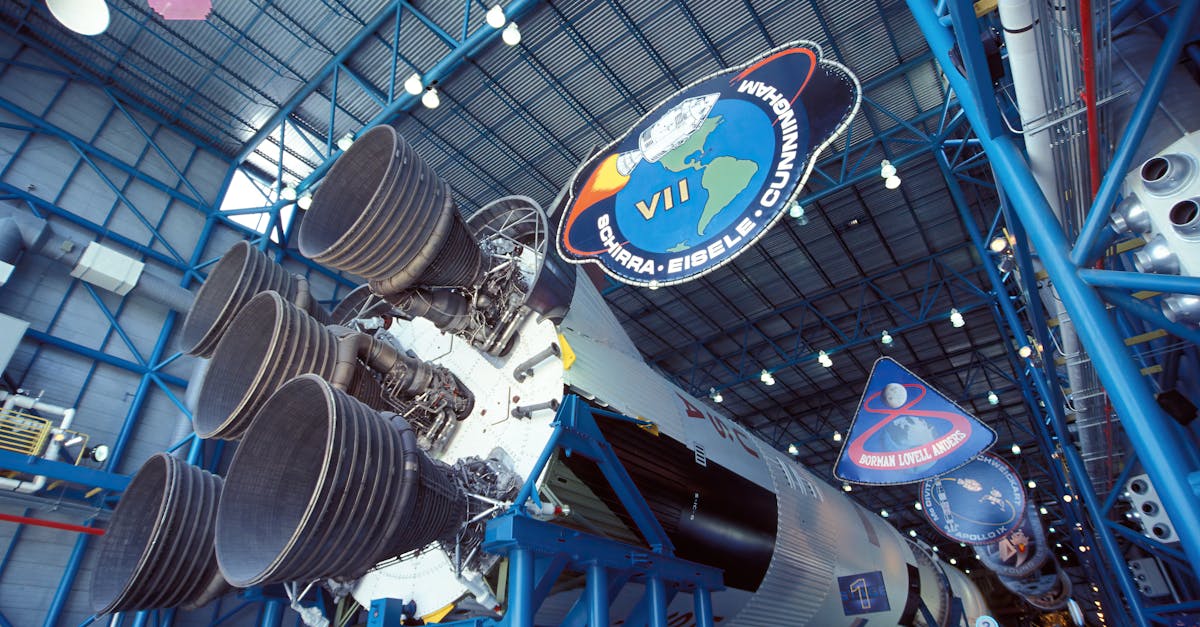
NASA begins a key step today for its Artemis II mission as teams roll the huge Space Launch System rocket and Orion spacecraft from a giant building to the launch pad at Kennedy Space Center in Florida. The four-mile move marks the first crewed trip to the Moon's area since 1972, but the astronauts will fly around it without landing to test the hardware first. Launch comes no earlier than February 6.
Background
The Artemis program aims to send people back to the Moon after more than 50 years. Artemis I flew without crew last year and went around the Moon successfully. Now Artemis II puts four astronauts aboard for the first time. They named their Orion spacecraft Integrity.
This mission uses the same launch site as the old Apollo flights. Launch Complex 39B saw Apollo 10 lift off and all Space Shuttle missions from there. The Vehicle Assembly Building where the rocket sat comes from Apollo days too. A giant crawler-transporter carries the stack at less than one mile per hour.
The crew includes Reid Wiseman as commander, Victor Glover as pilot, Christina Koch as mission specialist, and Jeremy Hansen from Canada. Wiseman led NASA's astronaut office before. Glover and Koch flew to the International Space Station before. Hansen will be the first Canadian to go beyond low Earth orbit.
Artemis II started as a different plan years ago but changed with the new program. It tests Orion with people on a free-return path. That means the Moon's gravity slings the craft back to Earth without extra big burns if needed.
Key Details
The rollout starts no earlier than 7 a.m. Eastern Time today from the Vehicle Assembly Building. It takes up to 12 hours over a path lined with smooth rocks. The crawler-transporter-2 pulls the 11 million-pound stack on its mobile launcher to Pad 39B.
Once there, workers jack it down onto the pad. The pad has lightning towers but no big service arms like in Shuttle days. Teams connect it to ground systems. Then the crawler heads back empty.
Next Tests on the Pad
Late this month comes a wet dress rehearsal. Teams load over 700,000 gallons of super-cold fuel into the rocket. They run a full countdown and then drain it safely, all without the crew there. This checks the fueling process end to end.
The astronauts do a walkdown at the pad after rollout. They check their ride in person. Launch windows open February 5 to 11, then more in March and April. Times depend on Moon position, solar power for Orion, and supply needs at the site.
The trip lasts about 10 days. SLS blasts Orion to a high Earth orbit first for a day. Crew checks life support there. Then burns send it toward the Moon. Orion flies by close to the far side, about 4,600 miles away, farther than any humans went before. It splashes down in the Pacific off California.
Small satellites ride along too. One from Argentina tests radiation shields and comms. Others from Korea and Saudi Arabia study the space around Earth.
"This flight is only the second mission for SLS, and its first flight with crew." – NASA officials on mission profile
Changes from Artemis I help. Flight termination devices install before rollout now. Workers can reach them on the pad without rolling back. That saves time if issues pop up.
What This Means
Artemis II checks Orion's systems with people aboard for deep space. It proves life support, navigation, and reentry work far from home. Success clears the way for Artemis III, which aims to land on the Moon.
The free-return path keeps risks low. No lunar orbit means less time near the Moon and simpler return. But it still tests heat shield on reentry after Moon speeds.
This mission beats Apollo distances at closest approach. It sets up longer stays later. NASA eyes the Moon's south pole for water ice, key for fuel and air on future bases.
International partners join in. Canada sends Hansen. Europe built Orion's service module. Japan and others plan landers ahead. The program builds a team for Moon returns and Mars trips beyond.
Delays pushed launch from 2025 to 2026. Teams fixed battery and hatch issues from Artemis I. Now flow moves faster with lessons learned. Rollout today starts the final push.
The stack processed inside since summer. Technicians closed tasks around the clock. Weather or tech needs could shift the start. Media covers it with briefings.
Pad 39B hosts all SLS Artemis launches. Neighbor 39A goes to SpaceX. Historic site sees new chapter with Artemis.
Crew trained years for this. They fly Block 1 SLS, the basic version. Upgrades come later. Mission checks power, comms, and suits too.
Splashdown ends the flight. Ships wait in the ocean for pickup. Recovery teams practiced for Pacific conditions.
Artemis builds skills for longer trips. Each step tests more before humans stay on the Moon.