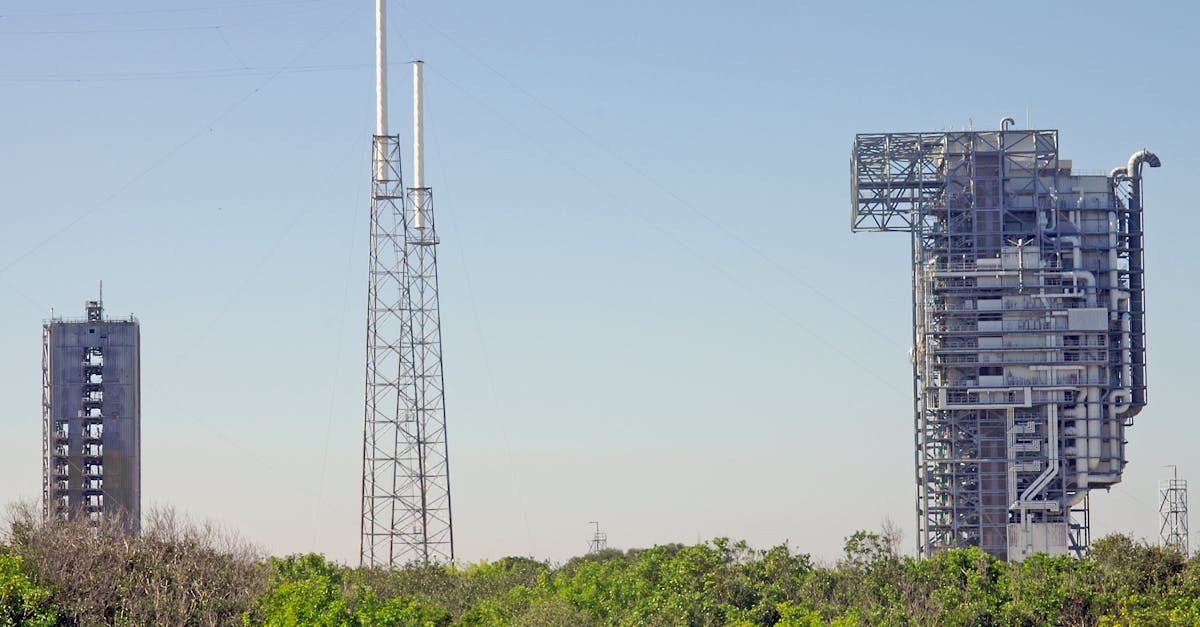
NASA has started rolling its giant Space Launch System rocket and Orion spacecraft to Launch Pad 39B at Kennedy Space Center in Florida. The move began no earlier than 7 a.m. EST on Saturday, January 17, 2026. This is the final big step before the Artemis II mission, the first crewed trip to the Moon's vicinity since Apollo 17 in 1972. The four-mile journey on the crawler-transporter will take up to 12 hours. Four astronauts will fly the 10-day mission: Reid Wiseman as commander, Victor Glover as pilot, Christina Koch as mission specialist, and Jeremy Hansen from the Canadian Space Agency.
Background
The Artemis program aims to send people back to the Moon and set up a base there for future trips to Mars. Artemis II builds on the uncrewed Artemis I flight in November 2022. That test sent Orion around the Moon and back without any crew. Now, with people on board, the rocket and spacecraft have added life support systems to keep the astronauts safe for 10 days in deep space.
Teams at Kennedy Space Center spent months putting the rocket together in the Vehicle Assembly Building. The SLS rocket stands 322 feet tall and weighs 11 million pounds fully fueled. Its core stage uses four RS-25 engines from the old space shuttle program. Solid rocket boosters from the same era help lift it off. Orion sits on top, built to carry four people far from Earth.
This mission will not land on the Moon. Instead, the crew will fly close to it, reaching a point about 7,500 kilometers from the far side. That is farther than any humans have gone before. They will test Orion's systems in space, check how the spacecraft handles reentry at high speeds, and practice operations for longer trips ahead.
The rollout comes after fixes from Artemis I. That flight faced fuel leaks and needed three tries to launch. Engineers say they have solved those problems. The Artemis II core stage skipped some early engine tests to save time, but it will get a full check soon.
Key Details
The rocket travels on the crawler-transporter-2, a huge vehicle first used for Apollo Saturn V rockets. It moves slower than one mile per hour over a path covered in smooth river rock. Once at the pad, workers connect it to fuel lines and ground systems on the mobile launch platform.
Next up is the wet dress rehearsal at the end of January. Teams will load over 700,000 gallons of super-cold fuel into the rocket. They will run a full countdown, then safely drain it without the crew there. This test checks the fueling process and fixes any leaks early.
Crew Preparations
The astronauts will do a walkdown at the pad after rollout. They will inspect the rocket up close. Reid Wiseman, who once led NASA's astronaut office, commands the flight. Victor Glover pilots Orion. Christina Koch and Jeremy Hansen handle science tasks and systems checks. Hansen is the first Canadian to fly such a deep space mission.
Launch chances start February 6, 2026, at 9:41 p.m. EST. The window runs through February 10, then opens again in March and April. Each month has a few days based on the Moon's position, sunlight for power, and supply needs. Managers will pick a date after the wet dress test and more checks.
"This is not a rush," said Artemis Launch Director Charlie Blackwell-Thompson. "We have launch opportunities every month, and crew safety comes first."
The mission lasts 10 days. Orion launches from Pad 39B, the same spot as Apollo and shuttle flights. It flies past the Moon, loops around, and splashes down in the Pacific Ocean.
What This Means
A successful Artemis II will prove NASA can send crews to the Moon safely. It clears the way for Artemis III, planned to land humans on the lunar surface. That mission targets the south pole, where water ice could support long stays.
The program partners with private companies like Boeing for SLS and Lockheed Martin for Orion. Canada, Europe, and Japan add tech and astronauts. Long-term, Artemis sets up Gateway, a station in lunar orbit for science and Mars prep.
This flight tests heat shield performance during reentry. Orion hits speeds over 24,000 miles per hour coming home. Data from this will shape future missions.
If the February window slips, monthly chances through April keep options open. Weather, technical issues, or test results could push it back. But teams say the rocket is ready after years of work.
The rollout draws crowds to Kennedy Space Center. It marks real progress toward regular Moon trips. Astronauts will share live views and updates as prep continues. The world watches this step back to the Moon.