
Four astronauts are heading home from the International Space Station on Wednesday in what marks the first medical evacuation in the history of the orbiting laboratory. The SpaceX Crew-11 mission, which was supposed to last six months, is being cut short by about a month after one crew member developed a serious medical condition on January 7.
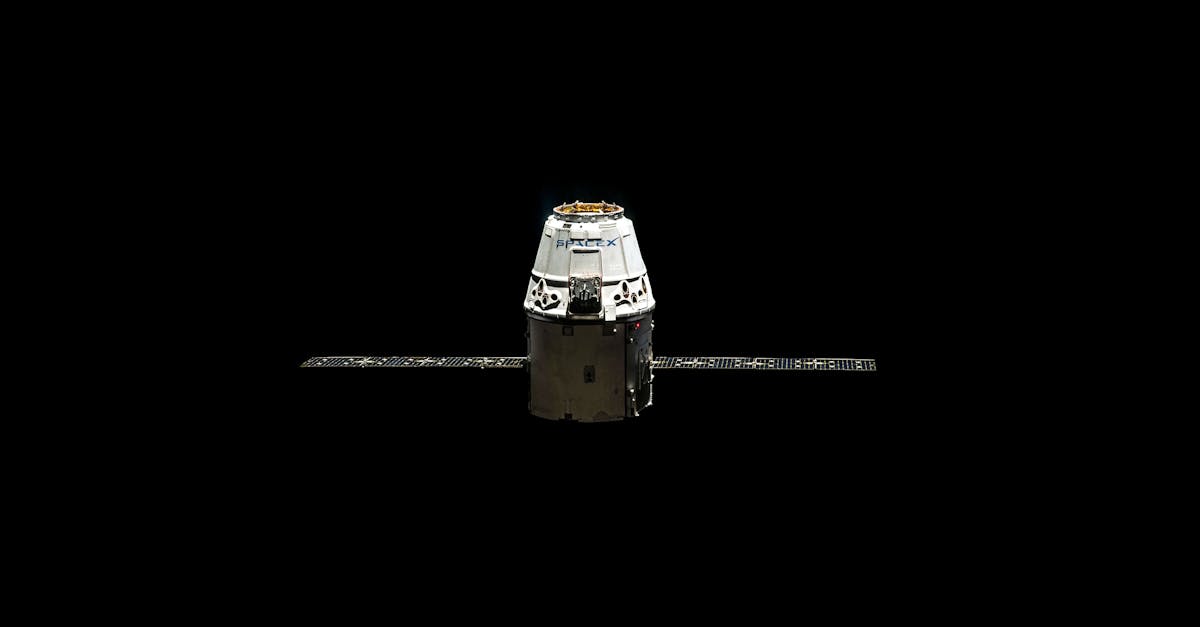
The four returning astronauts are NASA's Mike Fincke and Zena Cardman, Kimiya Yui from Japan, and Russian cosmonaut Oleg Platonov. Their Crew Dragon capsule, named Endeavour, is scheduled to undock from the space station on Wednesday at 5:05 p.m. EST. The hatches will close about 90 minutes earlier, at 3:30 p.m. EST, if conditions permit.
NASA has not identified which astronaut is experiencing the medical issue or disclosed the nature of the condition, citing privacy concerns. The agency has stated that the affected crew member is stable and should not require special assistance during the journey home.
Background
The Crew-11 mission launched in August 2025 with plans for a standard six-month stay aboard the space station. The crew arrived alongside three other astronauts who will remain on the station: two Russian cosmonauts and American astronaut Christopher Williams.
On January 7, one of the four Crew-11 members experienced a medical situation. NASA leadership, working with the agency's chief health and medical officer, determined that the crew should return to Earth for further evaluation and treatment. NASA Administrator Jared Isaacman described it as a "serious medical condition" that made the early departure necessary.
"After discussions with chief health and medical officer J.D. Poke and leadership across the agency, I have come to the decision it is in the best interest to return Crew-11 ahead of their planned departure" – NASA Administrator Jared Isaacman
The decision was announced on January 8, just one day after the medical issue occurred. The early return was deemed necessary to provide the affected astronaut access to full medical diagnostic capabilities available on Earth, rather than the limited resources available in space.
Because all four Crew-11 members arrived together on the same Crew Dragon capsule, they must all return together. The SpaceX Dragon is the only available vehicle for their return.
Key Details
The undocking is scheduled for Wednesday afternoon at 5:05 p.m. EST. Following the departure from the space station, the crew will conduct a deorbit engine burn and splash down in the Pacific Ocean off the California coast on Thursday, January 15 at 3:41 a.m. EST.
The entire return journey will take approximately 22 hours from undocking to splashdown. Coverage of the return will begin Thursday morning at 2:15 a.m. EST, with the deorbit burn occurring at 2:50 a.m. EST. A press conference is scheduled for 5:45 a.m. EST on Thursday.
NASA emphasized that aside from the accelerated timeline, Crew-11 will follow all standard SpaceX procedures for undocking and reentry. The astronaut experiencing the medical issue is in stable condition and the return will not require any special measures or modifications to the normal landing process.
Command Transfer
With Crew-11's departure, command of the International Space Station transfers to Russian cosmonaut Sergey Kud-Sverchkov. The three remaining crew members will continue scientific operations and maintenance tasks aboard the station.
Kud-Sverchkov acknowledged the changes ahead of the transition. He stated that despite the circumstances, the remaining crew would continue performing all assigned scientific and maintenance work.
What This Means
This marks an unprecedented event in the history of the International Space Station. While the orbiting laboratory has hosted hundreds of astronauts and cosmonauts over more than two decades, this is the first time a medical emergency has forced an early evacuation of crew members.
The incident highlights both the risks of long-duration spaceflight and the protocols NASA has developed to handle medical emergencies in orbit. The agency's decision to bring the crew home rather than attempt treatment in space shows the limitations of medical care available on the station.
The three astronauts remaining on the space station will continue their missions. The station will operate with a reduced crew complement until the next scheduled crew rotation. NASA and its international partners have confirmed that all remaining crew members are safe and that station operations will continue normally.
The early return of Crew-11 does not affect other scheduled missions or operations at the space station. Future crew rotations and supply missions are proceeding as planned.