

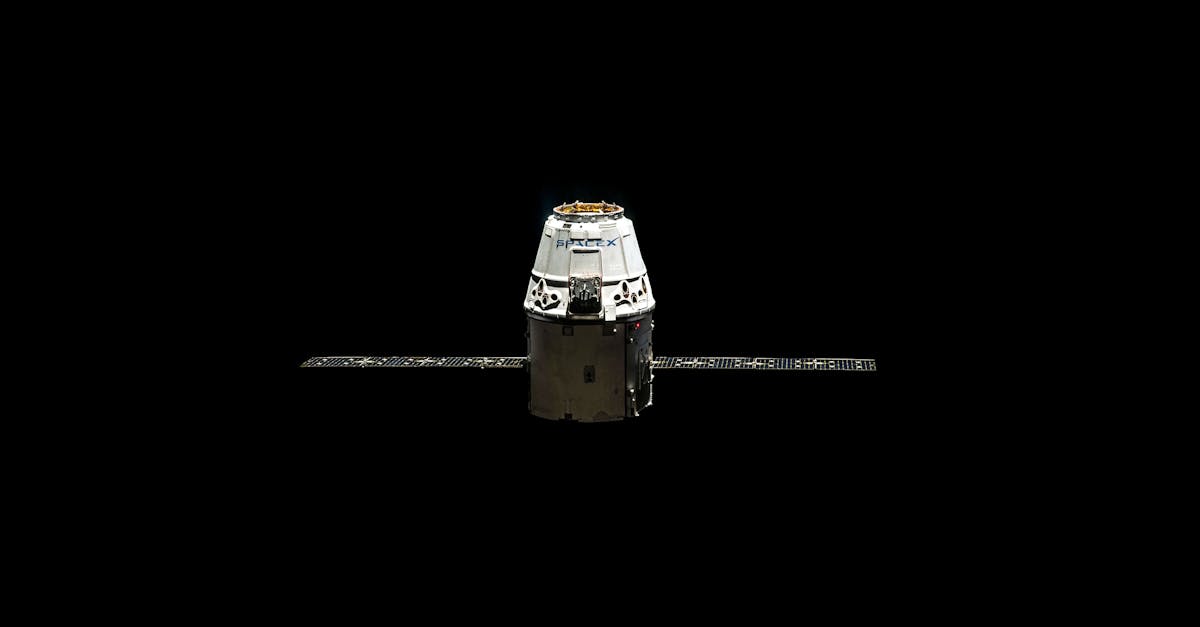
NASA is bringing home four astronauts from the International Space Station earlier than planned after one crew member developed a medical issue that prompted the space agency to order what it calls a "controlled medical evacuation." The move marks the first time in the history of the space station that a crew has been evacuated for medical reasons.
The four astronauts—NASA's Mike Fincke and Zena Cardman, Kimiya Yui of the Japan Aerospace Exploration Agency, and Russian cosmonaut Oleg Platonov—are scheduled to depart the station on Wednesday afternoon and return to Earth on Thursday morning off the coast of California.
The crew arrived at the station in August 2025 for what was planned as a six-month mission. They will now leave about a month earlier than originally scheduled, cutting their stay short due to the medical concern.
NASA has not identified which astronaut is experiencing the medical issue or disclosed details about the condition, citing privacy concerns. The space agency has said the affected crew member is in stable condition and should not require special assistance during the trip home.
Background
On January 7, one of the Crew-11 astronauts experienced a medical situation while aboard the station. NASA leadership, including Administrator Jared Isaacman, reviewed the situation with the agency's chief health and medical officer and determined that bringing the crew home early was the best course of action.
"After discussions with chief health and medical officer J.D. Poke and leadership across the agency, I have come to the decision it is in the best interest to return Crew-11 ahead of their planned departure."
Isaacman described the medical issue as a "serious medical condition" that required the crew to return to Earth for proper evaluation and care. The decision to evacuate the crew was announced on January 8, just one day after the medical issue occurred.
The early departure also forced NASA to cancel a planned spacewalk that was scheduled to take place during the mission.
Key Details
Departure and Landing Timeline
The SpaceX Dragon capsule, named Endeavour, is scheduled to undock from the International Space Station at 5:05 p.m. Eastern Time on Wednesday, January 14. The hatches between the capsule and the station will close about 90 minutes earlier, at 3:30 p.m. Eastern Time, if everything proceeds according to plan.
After undocking, the crew will conduct a deorbit engine burn and splash down in the Pacific Ocean off the coast of Southern California early Thursday morning, January 15, at 3:41 a.m. Eastern Time. The entire journey from the station to splashdown will take roughly 24 hours.
NASA will begin broadcasting coverage of the return at 2:15 a.m. Eastern Time on Thursday, allowing the public to watch the deorbit burn at 2:50 a.m. and the splashdown 51 minutes later. A return-to-Earth press conference is scheduled for 5:45 a.m. Eastern Time that same morning.
Crew Members
Mike Fincke, the mission commander, has logged more than 500 days in space across multiple missions. Zena Cardman serves as the mission commander for this flight. Kimiya Yui represents Japan's space program, while Oleg Platonov is a Russian cosmonaut. All four launched together on the same SpaceX Dragon capsule in August 2025, which is why the entire crew must return together—it is their only ride home.
Station Operations Continue
When Crew-11 departs, the International Space Station will be left with three people: two Russian cosmonauts and American astronaut Christopher Williams. Russian cosmonaut Sergey Kud-Sverchkov has assumed command of the station following the decision to evacuate Crew-11.
Kud-Sverchkov said the remaining crew would continue performing scientific work and maintenance tasks on the station despite the changes and difficulties created by the early departure.
What This Means
The medical evacuation represents a significant moment in the history of human spaceflight. In nearly 26 years of continuous human presence on the International Space Station, this is the first time the space agency has needed to bring a crew home early due to a medical emergency.
The evacuation highlights the medical monitoring systems and decision-making procedures NASA has in place for astronauts in space. While the affected crew member is stable and will not require special assistance during the return journey, NASA determined that ground-based medical facilities offered diagnostic capabilities that were not available on the station.
The incident also demonstrates the flexibility of modern spacecraft operations. NASA and SpaceX have been able to rapidly adjust plans, coordinate recovery operations, and execute an unprecedented medical evacuation while maintaining safety protocols for all crew members involved.
The timing of the evacuation means the International Space Station will operate with a reduced crew for a period of time. This may affect the pace of scientific research and maintenance work that can be completed on the orbiting laboratory, though the remaining crew members have committed to continuing operations.
The successful execution of this medical evacuation will likely inform future protocols for responding to medical emergencies in space, setting a precedent for how NASA and its international partners handle similar situations in the years ahead.