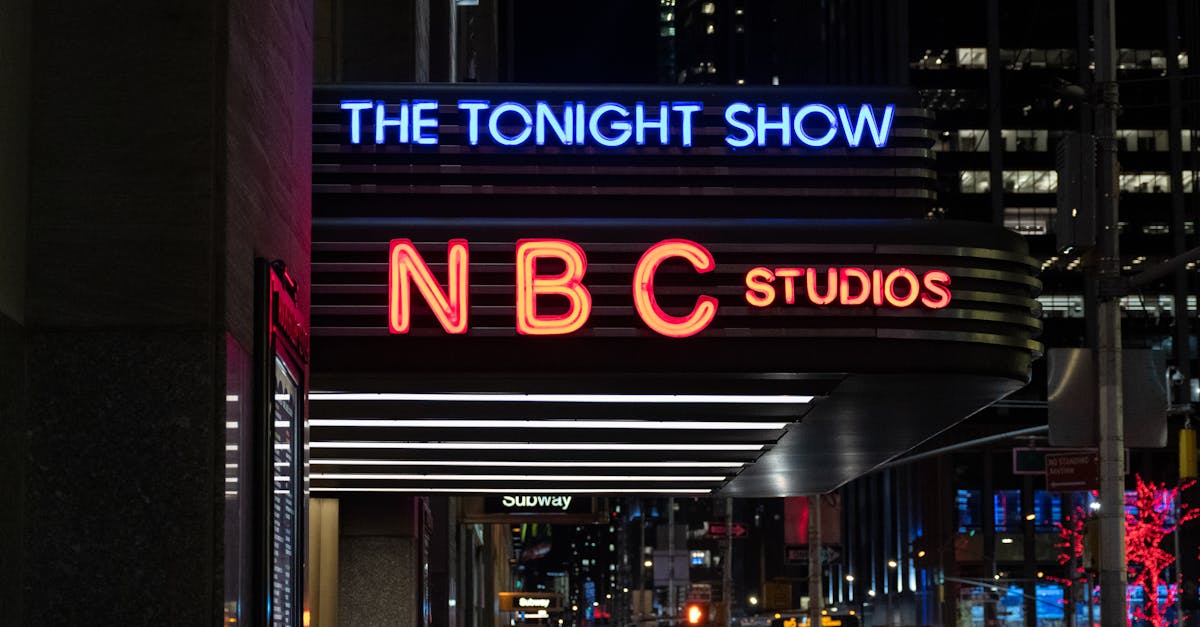
NBC is reviving a television tradition that many thought was dead. The network has ordered six pilot episodes for the upcoming 2026-27 broadcast season, marking a significant return to the old model of developing test episodes before committing to full series orders. This represents NBC's largest investment in pilot season since the pandemic disrupted the television industry and shifted networks toward ordering shows directly to series.
The pilot orders include a reboot of the classic detective series The Rockford Files, a U.S. Marshals drama called Protection written by Josh Safran, an untitled crime drama, and a comedy from the creators of Brooklyn Nine-Nine. The network is planning to produce between five and seven pilots total this season as it rethinks how it develops content for broadcast television.
Background
Pilot season was once the lifeblood of broadcast television. At its peak in 2013, the major networks ordered nearly 100 comedies and dramas combined, creating a months-long scramble from January through May as studios competed for scripts, cast talent, and production resources. The process was intense and expensive, but it gave networks a chance to test whether a show's concept, creative team, and cast could actually work before investing in a full season of episodes.
That system began to collapse around 2014. Fox executive Kevin Reilly famously declared pilot season dead and shifted his network to year-round development. Other networks followed suit as streaming services like Netflix and Amazon started ordering entire seasons of shows without testing them first. The traditional broadcast networks found themselves competing not just with each other but with deep-pocketed tech companies that could absorb the risk of failed shows. Straight-to-series orders became the norm across the industry, and pilot production dropped dramatically.
"The development ecosystem once saw the Big Four broadcast networks each buy around 150 comedy and 150 drama scripts annually, helping to keep scores of writers working for years."
By the end of the 2010s, pilot season was largely a relic. Networks stopped buying hundreds of scripts. The number of pilots ordered each year fell to a fraction of what it had been. Writers complained about fewer opportunities. Production companies struggled with reduced development deals. The entire ecosystem that had sustained television development for decades seemed to be in terminal decline.
Key Details
NBC's decision to increase pilot orders comes as the network reassesses its development strategy in what executives are calling the post-Peak TV era. While no one at the network has publicly explained the shift, industry observers point to economics. Making a pilot is expensive, but it costs less than committing to a full season of a show that might not work. A pilot allows networks to test whether the creative ingredients—the script, the cast, the direction—actually come together before making a much larger financial commitment.
The Rockford Files reboot represents NBC's confidence in established intellectual property. The original series, which ran from 1974 to 1980, remains popular with audiences and has name recognition that could help attract viewers. Protection, the U.S. Marshals drama, comes from Josh Safran, a writer with experience in network television. The untitled crime drama and the Brooklyn Nine-Nine comedy pilot round out the announced projects, though details about those shows remain limited.
NBC is not alone in reconsidering its approach. ABC and CBS are also ordering pilots this season, though at smaller numbers than NBC. Fox has largely stayed out of the pilot business since Disney acquired its studio operation, 20th Television. The CW, now under the ownership of Nexstar, no longer produces original content.
What This Means
The return of pilot season could reshape how broadcast networks develop television. If NBC's experiment succeeds—if pilots help the network identify shows worth ordering to series while avoiding expensive failures—other networks may follow. This could mean more work for writers, more opportunities for actors to audition for broadcast roles, and more chances for shows to be refined before they reach audiences.
However, the scale of pilot season today will never match what it was in 2013. Networks are not going back to ordering 100 shows a season. The streaming wars have changed the business permanently. What's happening now is a modest recalibration, not a full return to the old system. Networks are acknowledging that sometimes testing a show before launch makes financial sense, especially in an era when production budgets are scrutinized and every dollar counts.
For viewers, more pilots could mean more diverse shows reaching the air, as networks test different concepts and creative voices. It could also mean longer waits for some shows to premiere, since pilots need to be produced and evaluated before orders are placed. The impact will depend on how many of NBC's six pilots actually make it to series order and whether audiences respond to them when they air.