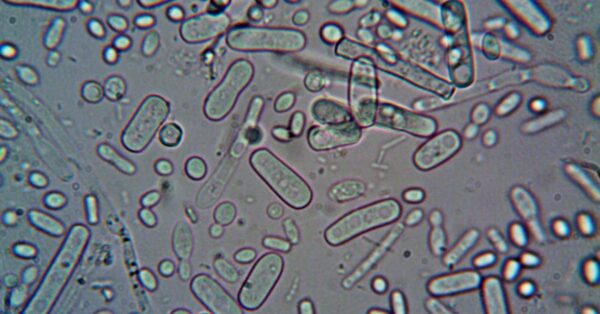
Researchers at NASA's Kennedy Space Center in Florida have found 26 new types of bacteria living in cleanrooms, the cleanest spaces on Earth. These rooms are used to build spacecraft like the Phoenix Mars Lander back in 2007. The bacteria hang on despite constant cleaning with strong chemicals and no food sources. The team made this discovery by looking at old samples with new DNA tools. They say it shows life can persist even in places built to kill it off.
Background
NASA builds its spacecraft in cleanrooms to keep Earth germs off other planets. These rooms at the Kennedy Space Center's Payload Hazardous Servicing Facility are scrubbed all the time. Workers wear special suits, and air filters catch tiny particles. The goal is to stop microbes from riding along on missions to Mars or elsewhere. Back in 2007, during work on the Phoenix Mars Lander, teams took swab samples from surfaces. At the time, the tools could not identify many microbes. Technology has changed a lot in 17 years. Now, scientists can read almost every gene in a sample and match it to known bacteria.
The new study used those advanced methods on the old samples. They also compared them to swabs from other cleanrooms over time. This let the team see patterns in where and how long these bacteria stick around. The cleanrooms are not empty of life, even if the numbers are low. The bacteria show up in small amounts but manage to last for years across different sites.
"It was a genuine 'stop and re-check everything' moment," said Alexandre Rosado, a professor of Bioscience at King Abdullah University of Science and Technology in Saudi Arabia.
Rosado worked on the study, which came out in May in the journal Microbiome. He noted the bacteria were rare but persistent. This finding came from looking at samples from multiple cleanroom environments.
Key Details
The 26 new species belong to groups already known from cleanrooms, but these exact types had not been named before. Each one has genes that help it survive tough spots. Many carry tools to fight cleaning chemicals like bleach or alcohol. Others make sticky biofilms, like a glue that holds them to walls or floors. Some repair DNA damaged by radiation. A few form spores, tough shells that let them sleep through starvation or dryness.
Survival Tricks
These traits let the bacteria hide in cracks or corners too small to clean well. They do not need much food and can wait out dry spells. The study found these genes in many of the new species. For example, genes for chemical resistance popped up often. Biofilm makers were common too. This mix of skills makes them hard to wipe out.
The team checked if these bacteria could handle space travel. Some have genes for DNA repair and dormancy, which help against radiation or cold. But no one has tested them in real space conditions yet. The Phoenix lander went to Mars' north pole in 2008. Its cleanroom prep shows even strict rules miss some life forms.
Researchers plan more tests. They are building a chamber at King Abdullah University to copy Mars air pressure, cold swings, radiation, and low oxygen. Pilot runs start early next year. This will show if the bacteria can take a trip to Mars or live on its surface.
What This Means
These bacteria test NASA's cleaning rules. Space agencies use cleanrooms to guard against contaminating other worlds. If Earth life slips through, it could mess up searches for alien microbes. The new species make good test cases because they beat standard cleanups. Agencies might need better detection or stronger chemicals.
The findings push for standard sampling across cleanrooms worldwide. Teams could track microbes over time with the same methods. This would spot risky ones early. Beyond space, the bacteria offer clues for other fields. Their chemical resistance could help make tougher cleaners or new biotech tools.
In astrobiology, they model life on harsh planets. The chamber tests will check survival under Mars-like stress: thin air full of carbon dioxide, UV light, and big temperature drops. Results could shape future missions. NASA and others aim to keep spacecraft sterile, but nature keeps finding ways.
The study calls for long-term work. Coordinated swabs from many sites, paired with lab tests, would map threats better. It could lead to fixes in planetary protection. For now, the cleanrooms prove no place is fully sterile. Life adapts, even in the harshest setups built by humans.
Experts like Rosado stress cleanrooms hold life, just at low levels. The new species fit a pattern of slow, steady presence. This work builds on years of sampling. It shows DNA tech unlocks old puzzles. As missions grow, understanding these holdouts matters more.