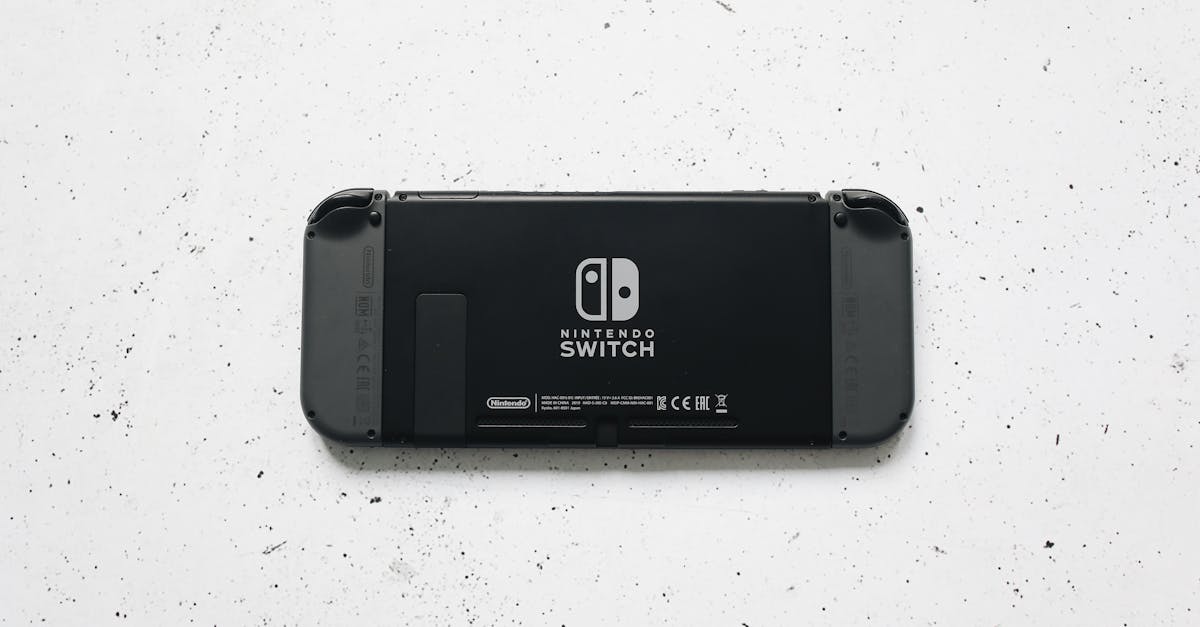
Nintendo's shares fell 10% on Tuesday in Tokyo trading after reports surfaced of memory shortages pushing up costs for its popular Switch 2 console. The drop came as the company reported profits that fell short of expectations, even with strong sales of the new hardware. Investors worried about higher prices for RAM and storage chips, which could squeeze margins or force price hikes on consumers. This hit happened during a key time for Nintendo, as the Switch 2 gains ground just months after its June 2025 launch.
Background
Nintendo has ridden high on the success of its Switch line for years. The original Switch, released in 2017, became the second best-selling console ever, with over 141 million units sold worldwide. It trails only Sony's PlayStation 2. The hybrid design, which lets players use it as both a handheld and a home console, changed how people game. It brought in hits like Zelda and Mario that anyone could pick up and play anywhere.
The Switch 2 built on that. Launched last June at $449, it kept the core idea but added better graphics and longer battery life. Early sales beat targets, helping Nintendo stick to its financial guidance. But now, in early 2026, trouble brews in the supply chain. Memory prices, key for the console's performance, started climbing fast. RAM costs jumped 41% for the 12GB chips Nintendo uses, according to market reports. NAND flash storage prices rose 8% over the past year too. These parts make up a big chunk of the console's build cost.
Global factors play a role. Tariffs on imports, especially from Asia where most chips come from, add pressure. Broader economic issues, like demand from AI servers soaking up supply, make prices swing wild. Nintendo buys these parts based on long-term plans, but the market turned volatile quick. The company saw this coming but hoped it would pass. Instead, costs kept rising, hitting recent profit reports.
Key Details
Nintendo's latest earnings showed profits below what analysts expected. Sales of the Switch 2 drove revenue up, but higher costs ate into the bottom line. Shares sank right after the news, losing about 10% in one day. That wiped out billions in market value—reports peg the loss at around 14 billion yen.
Company Response to Cost Pressures
Nintendo president Shuntaro Furukawa addressed the issue in a recent interview with Kyoto Shimbun. He said the firm procures memory based on medium- to long-term business plans. But the current market is unstable.
"We procure from suppliers based on our medium- to long-term business plans, but the current memory market is very volatile. There is no immediate impact on earnings, but it is something we must monitor closely." – Shuntaro Furukawa, Nintendo President
Furukawa noted that tariffs count as a cost the company aims to pass on to prices where possible, not just in the US. Still, he stressed caution. This is a vital time as Nintendo pushes the new console and keeps old ones selling. The firm backs its full-year guidance but watches closely.
Research firms like Niko Partners predict trouble ahead. They say the Switch 2 could see a price hike, following Sony and Microsoft. Tariffs, memory costs, and economic conditions might force it. One idea: drop the standalone $449 option and sell only bundles. That keeps the entry price steady for most buyers but raises the base cost.
Nintendo held the line on pricing last year despite early tariff hits. Now, with shortages worse, options narrow. The console launched with few big exclusives, and issues like stick drift persist from older models. Higher prices could slow adoption at a time when rivals like Steam Deck offer budget choices.
What This Means
For Nintendo, this tests its ability to balance costs and growth. The Switch 2 needs steady sales to match its predecessor. If prices rise, it might lose casual buyers who loved the original's value. Bundles could help—pairing the console with a game keeps appeal high. But standalone hikes hit collectors and upgraders hard.
Investors feel the heat now. The 10% drop signals worry about margins. Nintendo lost ground fast, and more shortfalls could drag shares lower. Analysts watch the March 2026 fiscal year targets. That's when Nintendo sets new goals, and pricing news might drop.
Consumers face choices too. Demand stays strong—the Switch line transformed gaming with portability. But if RAM stays dear, future stock might cost more. Nintendo could eat some costs to protect sales, as it did before. Or shift suppliers, though that's tough short-term.
The gaming world watches. Sony and Microsoft dealt with similar squeezes, passing costs on. Nintendo's family focus gives it use, but hardware sales fund software hits. Furukawa's team weighs this daily. They aim to keep momentum while costs climb. No big moves yet, but the market waits for word on prices and plans.
Broader supply chains hurt too. High demand from phones, PCs, and AI pulls memory away. That keeps prices up into 2026. Nintendo isn't alone—other firms scramble. For now, the company holds steady, backing guidance amid the storm. Switch 2 owners enjoy it, but newcomers might pay extra soon.