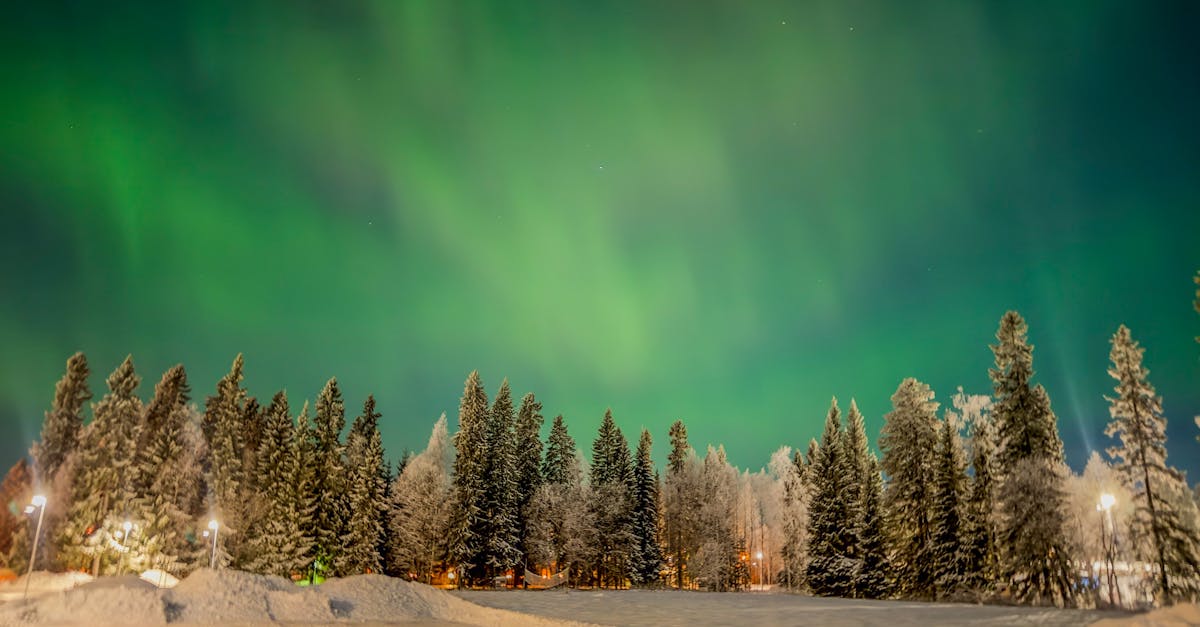
The Northern Lights, those shimmering curtains of green, purple, and red in the northern skies, have caught human eyes for thousands of years. Records show people first noted them around 2,600 years ago in places like ancient Greece and China. There, thinkers and sky-watchers saw strange glows and linked them to forces beyond everyday life. These displays happen when charged particles from the sun hit Earth's atmosphere, but long before science explained that, cultures built whole stories around them. Today, those old tales still echo as the lights draw new crowds to cold, dark places.
Background
Early writings mark the start of Northern Lights accounts. Greek thinker Aristotle wrote about a odd sky glow around 330 BCE. Chinese sky experts noted something similar by 200 BCE. These were not casual notes; they described lights that moved and changed color, things hard to explain in those days.
Over time, the lights showed up in places far from the usual viewing spots. Vikings in Scandinavia saw them often and tied them to their gods. Indigenous groups in the Arctic, like the Inuit and Sami, lived under them year-round and made them part of daily beliefs. Even in warmer spots like Japan or southern Europe, rare sightings led to unique ideas.
In the Arctic, where nights stretch long in winter, the lights became central to life. People gathered to watch, sometimes in fear, other times in joy. Elders passed down stories that warned kids not to whistle at the lights, lest they anger the spirits. These tales helped communities make sense of a harsh world, where survival depended on reading nature's signs.
European settlers later brought their own views. In Scotland, they called the lights 'Merry Dancers,' but the name hid darker fears of war or plague. French and Italian folks saw them as harbingers of doom. Such varied reactions show how the same sky event could mean hope in one place and trouble in another.
Key Details
Different groups crafted specific myths to explain the lights. Norse people believed the glow came from Valkyries, warrior women who picked fallen soldiers for the afterlife. Their shining armor and spears lit the sky as they rode across it.
Indigenous Arctic Stories
Inuit communities thought the lights were spirits of the dead at play, tossing a walrus skull like a ball. Some Inuit groups feared them as lanterns carried by demons chasing lost souls. They carried knives for protection during bright shows.
The Sami, who herd reindeer across northern Europe, saw the lights as guardians. They kept souls from wandering and guided them home. Shamans beat drums to talk to the spirit world, sometimes calling the lights with their rhythm.
Algonquin people from central Canada had a hero named Nanahbozho. After shaping the world, he lit a massive fire up north. Its glow reached south, a sign he still watched over his kin.
Finns pictured a magic fox running over snow, its tail sparking fire into the sky. In Japan, samurai took sightings as good luck before fights, a promise of wins.
Other Global Views
Chinese and Korean tales spoke of dragons breathing fire. Russian and Siberian families saw lights as souls of loved ones visiting from beyond. Alaskan Natives imagined animal spirits dancing or playing games.
Great Plains tribes thought northern enemies cooked captives in giant pots, flames rising high. Makah people in Washington state blamed dwarf tribes boiling whale blubber. Scots saw clashing swords in a sky battle, colors marking the fight's heat.
"The Northern Lights were the breath of brave warriors on their way to Valhalla, lighting the path for those who fell in battle." – Norse elder recounting Viking lore
These stories spread by word of mouth, changing with each telling. Some warned against staring too long; others urged respect through silence or offerings.
What This Means
These old beliefs show how humans faced the unknown. Without tools to measure space weather, people turned to gods and ancestors for answers. The lights bridged earth and sky, life and death, making the vast north feel connected.
Today, better tech explains the science: solar winds slam into oxygen and nitrogen high up, glowing like neon signs. But the myths endure. Tourists chase the lights in Iceland, Norway, and Canada, blending old wonder with modern trips.
Communities keep traditions alive. Sami festivals honor the lights with songs. Inuit artists paint them as spirit dancers. Such ties help preserve languages and ways of life against modern change.
Rare strong shows, like those from big solar storms, remind us of nature's power. They push lights farther south, sparking fresh awe. Scientists track them for space weather forecasts, key for satellites and power grids.
The stories also highlight shared human traits. From Greece to the Arctic, people sought meaning in the glow. They saw family, heroes, or warnings, weaving the lights into identity. As climate shifts alter viewing spots, these tales offer a lens to value what draws us outside on cold nights.
Protecting dark skies matters now. Light pollution from cities dims the shows, cutting access to this heritage. Efforts grow to shield key spots, ensuring future generations see what ancients did.
The Northern Lights keep inspiring. Museums display artifacts linked to the myths. Books retell the legends for kids. Each dance in the sky revives questions: What messages do they carry today?