
Oil prices rose more than 2% on Tuesday after President Donald Trump canceled all meetings with Iranian officials and told protesters in Iran that help is on the way. The announcement, made on social media, came as Iranian authorities cracked down on anti-government demonstrations, with death tolls climbing into the hundreds.
Background
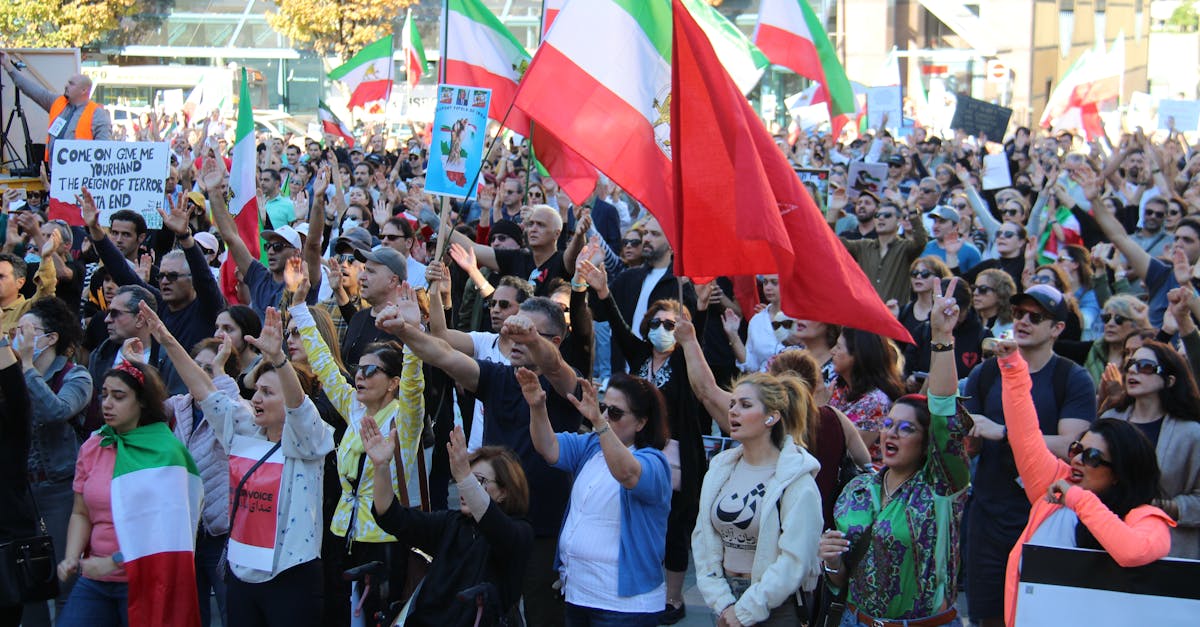
Protests have rocked Iran for weeks now, marking the biggest unrest since the 2022 demonstrations over Mahsa Amini's death in custody. People took to the streets first over economic woes, like soaring prices for food and fuel, but anger has grown against the government itself. Iranian forces have responded with force, shutting off internet access nationwide for days to stop news from spreading. Reports say at least 646 protesters have died, though some sources put the number much higher, around 2,000. Security personnel have also lost their lives, with state media reporting over 100 killed.
The situation inside Iran is tense. Tens of thousands of government supporters rallied in cities to back the regime, while opposition voices call for change. Internet blackouts have made it hard to get clear pictures, but videos and accounts from inside show clashes in major cities like Tehran. This wave of protests builds on years of frustration with strict rules, poor economy, and crackdowns on rights. Iran's leaders blame outside forces for stirring trouble, but many Iranians point to daily hardships as the real spark.
President Trump has watched closely from Washington. He has long criticized Iran's government, calling it violent and warning of consequences for harming people. His team has discussed options, from talks to tougher steps. Diplomacy was on the table until today, but the latest killings pushed him to act.
Key Details
Trump posted on Truth Social urging Iranians to keep protesting and take over key institutions. He wrote that he canceled all meetings with Iranian officials until the killing stops. He also said those responsible for deaths would pay a big price and repeated that help is coming for the protesters.
"Iranian Patriots, KEEP PROTESTING – TAKE OVER YOUR INSTITUTIONS! Save the names of the killers and abusers. They will pay a big price. I have canceled all meetings with Iranian Officials until the senseless killing of protesters STOPS. HELP IS ON ITS WAY."
- President Donald Trump, Truth Social
White House officials backed the move. Press secretary Karoline Leavitt said Trump does not want to see deaths in Tehran's streets and that he keeps all options open, including military ones if needed. She stressed diplomacy comes first, but the president has shown willingness to act before.
US Response Options
Trump's national security team is looking at a range of responses. These include airstrikes, cyber operations, and economic pressure. One step already announced is a 25% tariff on any country still trading with Iran. Iran has warned it will hit back if the US takes military action. Exiled Iranian figures, like the crown prince, have called on Trump to move fast to end the regime and save lives.
Internationally, views differ. German Chancellor Friedrich Merz said the regime may be in its final days, as people rise up against violence. The UN human rights chief expressed horror at the bloodshed. Iran's foreign minister said the country is ready for any fight. Qatar has pushed for talks to calm things down and avoid more regional chaos.
Oil markets reacted fast. Brent crude jumped over 2% in hours, hitting levels not seen in months. Traders worry that US steps could disrupt supplies from the region. Iran's oil output has already dipped amid the unrest, and any wider conflict would push prices higher.
What This Means
The cancellation of talks raises the chance of direct US involvement. Protesters in Iran may feel boosted by Trump's words, seeing it as a sign of outside support. But it also risks more violence, as the government digs in. Internet cuts limit coordination among demonstrators, making it harder for them to organize.
For global energy, the oil spike signals worry. Prices affect gas at pumps worldwide, from US drivers to European factories. If tensions grow, supplies could tighten, leading to higher costs for everyone. Trump's tariff plan adds pressure on countries like China and others buying Iranian oil, possibly shrinking Tehran's cash flow.
In Washington, debate brews over next moves. Some see Trump's approach as bold, keeping pressure on a foe. Others worry military action could pull the US into another long fight. Allies watch closely, balancing support for rights with fears of war. Iran's economy, already hit by sanctions and protests, faces more strain, which could fuel or crush the unrest.
Exiles and rights groups push for quick help to protesters, saying delay means more deaths. Iranian officials show no sign of backing down, with pro-government crowds filling streets. Trump's team says he does not bluff, hinting at real action soon. Markets stay on edge, with oil traders eyeing every update from the White House and Tehran.
The coming days will show if words turn to deeds. Protests continue despite risks, and the world waits to see how far each side goes. Economic ripples from oil alone touch millions, while the human cost in Iran grows by the hour.