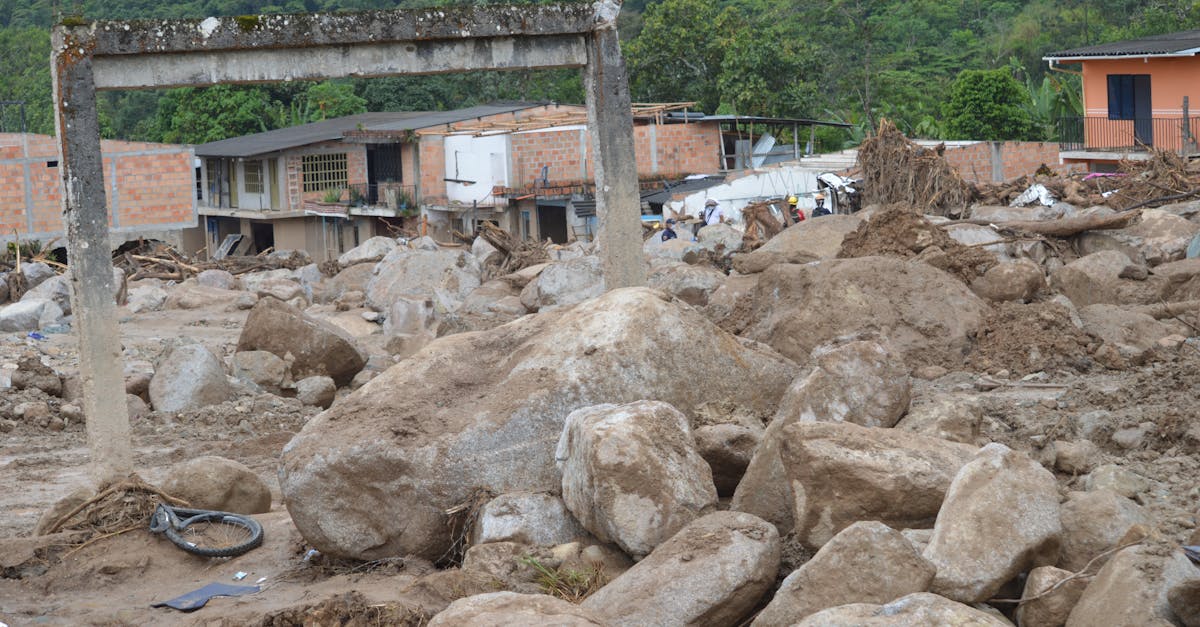
A landslide triggered the collapse of a coltan mine in Rubaya, eastern Democratic Republic of Congo, on Wednesday, killing more than 200 people. The disaster struck at an artisanal mining site where locals dig by hand for coltan, a mineral turned into tantalum for phones and computers. Officials say the exact number of dead is still unclear as rescue efforts continue.
Background
Rubaya sits about 60 kilometers northwest of Goma, the main city in North Kivu province. This area has seen heavy fighting for years between government forces and rebel groups. The M23 rebels, who say they protect the Congolese Tutsi minority, took control of Rubaya in 2024. They now run the mines there.
Coltan from Rubaya makes up around 15 percent of the world's supply. Miners work with picks and shovels, often earning just a few dollars a day. Many families depend on this work to survive. The region is rich in minerals, but most people live in deep poverty, with over 70 percent getting by on less than $2.15 daily.
The M23 group has pushed forward in eastern Congo over the past year, taking more land full of resources. The United Nations points to them plundering minerals to pay for their fight. Rwanda denies helping the rebels, but tensions run high with Congo's government in Kinshasa.
Rainy season makes the ground soft and risky. Hillsides slide easily, and mine shafts can give way without warning. Past accidents in the area have killed dozens, but this one stands out for its scale.
Key Details
The collapse happened on January 28 at several shafts in Rubaya. Most victims were artisanal miners digging deep underground. Children and market women selling goods near the site also died. Bodies have been pulled out, but some people may still be trapped.
Rescue and Injury Reports
Around 20 people hurt in the slide are getting care at local clinics. Rescuers worked through mud and rain to reach those buried alive.
"More than 200 people were victims of this landslide, including miners, children, and market women. Some were rescued just in time but sustained serious injuries," said Lumumba Kambere Muyisa, spokesperson for the rebel-appointed governor.
Muyisa explained the ground failed during the rainy season. "We are in the rainy season. The ground is fragile. It was the ground that gave way while the victims were in the hole."
Franck Bolingo, an artisanal miner at Rubaya, described the chaos.
"It rained, then the landslide happened and swept people away. Some were buried alive, and others are still trapped in the shafts," Bolingo said.
Eraston Bahati Musanga, the M23-appointed governor of North Kivu, confirmed bodies were recovered but gave no exact count. An adviser to the governor put the confirmed deaths at least at 227. Reports differ slightly on whether one big slide or multiple collapses over Wednesday and Thursday caused the deaths.
Workers at the mine use basic tools and lack safety gear. No heavy machines or supports hold up the tunnels. The rebels control access, and government oversight is absent in the area.
What This Means
This disaster shows the dangers of informal mining in war zones. Thousands of people risk their lives daily in similar pits across eastern Congo. Without better safety rules or stable ground, more tragedies could follow.
The loss hits hard in a place where mining is the main way to eat. Families now face burying loved ones and finding food without their earners. Local health centers struggle with the injured, short on beds and medicine.
Rebel control over Rubaya means mineral money flows to their fight, not local needs. Global demand for coltan keeps the mines busy, even as risks grow. Phones and laptops sold worldwide carry traces of this ore, linking far-off consumers to the human cost here.
Aid groups may step in with help, but getting there past front lines takes time. Congo's government calls the area rebel-held and blames outside powers. Talks to end the conflict have stalled, leaving mines like this one exposed.
Broader effects touch the mineral trade. If output drops, prices for tantalum could rise, slowing tech production. But history shows these sites reopen fast, drawing workers back despite the warnings.
Communities in Rubaya mourn while digging continues nearby. The rainy season lasts months, raising fears of more slides. Without change, the cycle of work, risk, and loss goes on.