

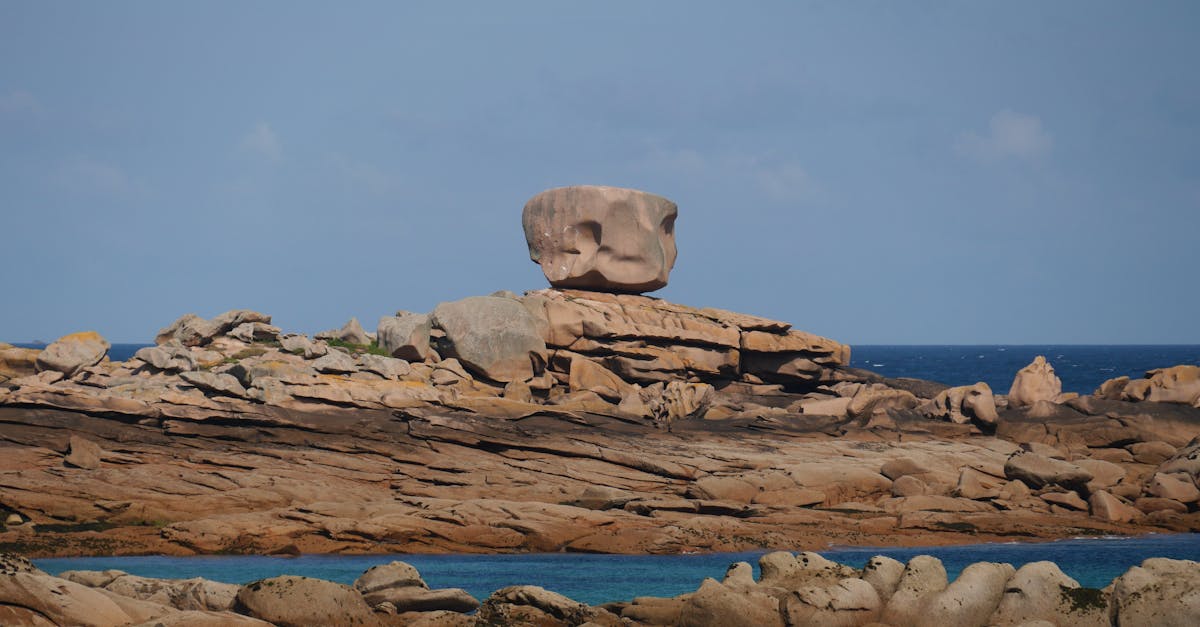
Researchers have found a large granite structure buried under the ice of Pine Island Glacier in West Antarctica. The clue came from pink granite boulders scattered across the dark volcanic peaks of the Hudson Mountains. These rocks, dated to 175 million years ago, show that a vast body of granite, nearly 100 kilometers across and 7 kilometers thick, sits beneath miles of ice. The team from the British Antarctic Survey made this discovery by combining rock dating with airborne gravity surveys. The work helps explain how the ice sheet moved in the past and what it might do as the climate warms.
Background
For decades, scientists have seen these pink granite boulders high up in the Hudson Mountains. The rocks stood out against the dark volcanic stone around them. No one knew where they came from. The mountains sit near Pine Island Glacier, one of the fastest-melting parts of the Antarctic ice sheet. This glacier has lost ice quickly in recent years, adding to sea levels around the world.
The boulders puzzled experts because granite does not form in volcanic areas like these mountains. Granite needs slow cooling deep underground over long periods. The team suspected the rocks came from somewhere else, carried there by ice long ago. To solve the mystery, they dated the boulders using radioactive decay in tiny crystals inside them. The age came back as 175 million years old, from the Jurassic period when dinosaurs roamed other parts of the world.
But dating only told part of the story. How did these old rocks end up perched high on the mountains? The answer lay under the glacier. Pine Island Glacier covers a huge area, and its base touches bedrock that shapes how it flows. In the past, during the last ice age about 20,000 years ago, the ice sheet was much thicker. It ground against the ground below, picking up rocks and dropping them as it moved.
Key Details
The breakthrough came from airplane surveys over the region. Planes from the British Antarctic Survey, including the Twin Otter, measured gravity with high precision. Gravity readings change based on what lies below. The data showed a strong signal under the glacier that matched what you would expect from a large granite body. Granite is less dense than other rocks, so it pulls less on gravity meters.
The granite body measures almost 100 kilometers wide, about half the size of Wales. It is 7 kilometers thick, hidden under thousands of meters of ice. The pink boulders on the mountains match the type of rock in this buried giant. The ice must have plucked them from the granite during a time when the glacier was thicker and flowed higher up the mountainsides.
Fieldwork played a big role. Geologists collected the boulders during trips to the Hudson Mountains as part of the International Thwaites Glacier Collaboration. This project studies nearby glaciers that hold enough ice to raise sea levels by meters if they melt.
"It's remarkable that pink granite boulders spotted on the surface have led us to a hidden giant beneath the ice. By combining geological dating with gravity surveys, we've not only solved a mystery about where these rocks came from, but also uncovered new information about how the ice sheet flowed in the past and how it might change in the future." – Dr. Tom Jordan, geophysicist at British Antarctic Survey
How the Ice Moved
The boulders tell a story of past ice flow. During the last ice age, the West Antarctic Ice Sheet reached higher elevations. It eroded the granite body under what is now Pine Island Glacier. As the ice flowed over the Hudson Mountains, it dropped the rocks where we see them today. This shows the ice was much thicker then, flowing faster and reaching farther inland.
Today, Pine Island Glacier slides over its bed, influenced by the rocks and water below. The new granite find adds detail to maps of the bedrock. Better maps mean better computer models of ice flow.
What This Means
This discovery improves models that predict how Antarctica's ice will respond to warming. Pine Island Glacier has thinned fast in the last few decades. Warm ocean water melts it from below, speeding up its flow to the sea. Understanding the bedrock helps forecast how much ice it might lose and how that affects sea levels.
Sea levels have risen about 10 centimeters since 1990, partly from Antarctic melt. Pine Island and nearby Thwaites Glaciers contribute a lot. If they keep speeding up, coastal cities could face more flooding. The granite body influences how water drains under the ice and how it sticks or slides.
The work also shows how geology and ice interact over millions of years. The granite formed 175 million years ago when Antarctica was part of a supercontinent. Tectonic plates shifted, building mountains and then burying them under ice. Rocks like these boulders act as records of Earth's long history.
"Rocks provide an amazing record of how our planet has changed over time, especially how ice has eroded and altered the landscape of Antarctica. Boulders like these are a treasure trove of information about what lies deep beneath the ice sheet, far out of reach." – Dr. Joanne Johnson, geologist at British Antarctic Survey
Scientists now plan more surveys to map other hidden features. Gravity data from planes and satellites will fill in gaps under the ice. This helps track changes in ice thickness and flow. Better predictions guide planning for rising seas in places like Florida, Bangladesh, and small island nations.
The find highlights West Antarctica's geology. The region sits on rock that flexes, making it prone to fast change. Granite bodies like this one shape valleys and ridges that steer ice. As models improve, forecasts for sea level rise by 2100 grow more reliable. Current estimates say 30 to 80 centimeters from all sources, with Antarctica playing a key role.
Teams will keep watching Pine Island Glacier. Satellites track its speed and height daily. Ground stations measure snow and melt. The pink rocks remind us that clues from the surface can reveal secrets from deep below, helping protect coasts far away.