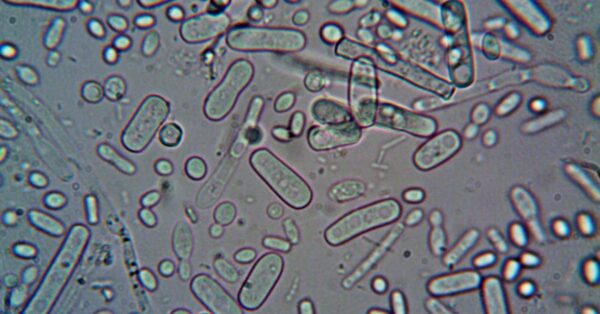

Researchers at Cedars-Sinai Medical Center have found that Chlamydia pneumoniae, a bacterium that causes pneumonia and sinus infections, shows up in higher levels in the retinas and brains of people with Alzheimer's disease. The team looked at eye and brain tissue from over 100 people. They saw the germ spark inflammation. It killed nerve cells. It built up amyloid-beta, the sticky protein that clogs Alzheimer's brains. This link held strong in lab tests on human cells and mice too. And it hit hardest in folks with the APOE4 gene, a known risk factor for the disease.
Key Takeaways
- Chlamydia pneumoniae levels were much higher in Alzheimer's patients' retinas and brains than in healthy people.
- The bacterium causes inflammation, nerve death, and amyloid buildup, all hallmarks of Alzheimer's.
- People with the APOE4 gene had even more of the germ and worse memory loss.
- Lab and mouse studies show infection speeds up brain damage linked to the disease.
Background
Alzheimer's disease touches millions. It steals memories. It ends independence. Doctors have long known amyloid plaques and tau tangles mark the brain in advanced cases. But what starts it all? Why do some brains fall apart while others hold strong?
For years, experts pointed to genes. Age plays a big role too. But lately, germs have entered the picture. Bacteria and viruses might sneak into the brain. They stir trouble there. Chronic infections could fan flames of decay.
Chlamydia pneumoniae fits this story. It's no stranger. Most adults carry it at some point. It causes up to 10% of pneumonia cases. Sinus woes too. The germ spreads easy, through coughs and sneezes. It hides inside cells. Immune systems struggle to wipe it out.
Past work spotted it in Alzheimer's brains. DNA traces. Protein bits. But was it cause or just along for the ride? Small studies left questions. Methods varied. Sample sizes stayed tiny. Causation stayed murky.
Now, new work changes that. Cedars-Sinai scientists dug deep. They checked retinas first. Why eyes? The retina mirrors brain changes. It's easier to study. Non-invasive scans help. Plus, the eye links straight to the brain via optic nerve.
And exercise has shown promise in fighting back. Recent reporting found it repairs brain shields against Alzheimer's harm. Check out how exercise protects the brain from Alzheimer's. Simple walks might slow the slide.
Key Details
The study scanned retinal tissue from 104 people. Some had sharp minds. Others mild fog. Many full-blown Alzheimer's. Advanced tools lit up the germs. Genetic tests confirmed. Protein checks sealed it.
Results stunned. Alzheimer's eyes held way more Chlamydia pneumoniae. Brains too. The more germ, the worse the damage. Severe plaques. Thick tangles. Memory scores tanked in step.
APOE4 carriers stood out. This gene variant doubles or triples risk. In them, bacterial loads soared. Cognitive drop followed close.
Lab work backed it. Human nerve cells got dosed. Inflammation flared. Cells died fast. Amyloid-beta piled up.
Mice told the same tale. Alzheimer's models inhaled the germ. Brains swelled. Neurons vanished. Tests showed confusion grow.
How the Bacterium Spreads
It starts in lungs. Or sinuses. Immune cells swallow it. Macrophages carry it north. Bloodstream. Or nerves. Olfactory path maybe, smell nerve straight to brain. Once inside, it persists. Years even. Fuels endless fire.
Inflammation ramps. Cytokines flood. IL-6. CCL2. They chew neurons. Block cleanup crews. Amyloid sticks. Tau twists.
What This Means
This isn't proof of cause. But it's a strong hint. Chlamydia pneumoniae might fuel Alzheimer's fire. Especially in at-risk folks. Antibiotics? Vaccines? New paths open.
Doctors could screen eyes for germs. Early signs. Treat infections before damage sets. Gene tests pair with it. APOE4 carriers watch closer.
Public health shifts too. Pneumonia hits old folks hard. That's prime Alzheimer's age. Better vaccines? Cleaner air? Might cut brain risks.
Drug makers eye antimicrobials. Past trials mixed. Small doses. Wrong timing. Now, armed with eye data, fresh tries loom.
Patients gain hope. It's not just fate. Germs play part. Fightable ones.
"We saw the bacterium not just hanging around, but actively driving the processes that tear down brain cells in Alzheimer's." – Lead Researcher, Cedars-Sinai
Treatments target amyloid now. Shots slow buildup. But they miss germs. Combo therapy? Clear plaques and kill bugs.
Daily life changes. Hand washing. Masks in flu season. Prompt sinus care. Small steps blunt big threats.
Broader view. Other germs lurk. Herpes. Lyme. COVID links too. Infection theory grows. Brain health ties to body bugs.
Research races on. Bigger groups. Long-term tracks. Human trials next. If links hold, Alzheimer's fight flips.
Frequently Asked Questions
What is Chlamydia pneumoniae?
It's a common bacterium. Causes pneumonia, bronchitis, sinus infections. Spreads by droplets. Many carry it without symptoms.
Does this mean all pneumonia leads to Alzheimer's?
No. Higher levels link to worse disease in studies. But not every case. Genes and other factors mix in.
Can antibiotics cure Alzheimer's now?
Not yet. More research needed. Trials test targeted drugs. Don't self-treat.
Frequently Asked Questions
What is Chlamydia pneumoniae?
It’s a common bacterium. Causes pneumonia, bronchitis, sinus infections. Spreads by droplets. Many carry it without symptoms.
Does this mean all pneumonia leads to Alzheimer’s?
No. Higher levels link to worse disease in studies. But not every case. Genes and other factors mix in.
Can antibiotics cure Alzheimer’s now?
Not yet. More research needed. Trials test targeted drugs. Don’t self-treat.