Police in Sydney used pepper spray on protesters on Monday as Israeli President Isaac Herzog began a four-day visit to Australia. The trip comes after a mass shooting at Bondi Beach in December that killed 15 people at a Hanukkah event. Thousands rallied in cities across the country, voicing anger over Israel's actions in Gaza.
Background
Isaac Herzog arrived in Australia at the invitation of Prime Minister Anthony Albanese. The main goal of the visit is to show support for the Jewish community after the Bondi Beach attack. That shooting took place on December 14 at a public Hanukkah celebration. Fifteen people died, and many others were hurt. Australian leaders called it a terrorist act linked to rising antisemitism.
Herzog's schedule includes stops in Sydney and Melbourne. He plans to meet families of the victims and speak at community events. Albanese said he would join Herzog for some of these meetings. The visit highlights ties between Australia and Israel, especially in the wake of the attack.
Tensions have been high since the October 2023 Hamas attack on Israel, which killed over 1,200 people. Israel's response in Gaza has led to more than 40,000 deaths, according to local health officials. Protests have spread worldwide, including in Australia. Groups here have held rallies calling for an end to Israel's military operations and recognition of Palestinian rights.
The Bondi shooting added fuel to local debates. Some see it as part of global conflicts spilling over. Others focus on domestic security. Police have increased patrols around Jewish sites since then. Herzog's trip aims to build bridges but has sparked backlash from pro-Palestine activists.
Key Details
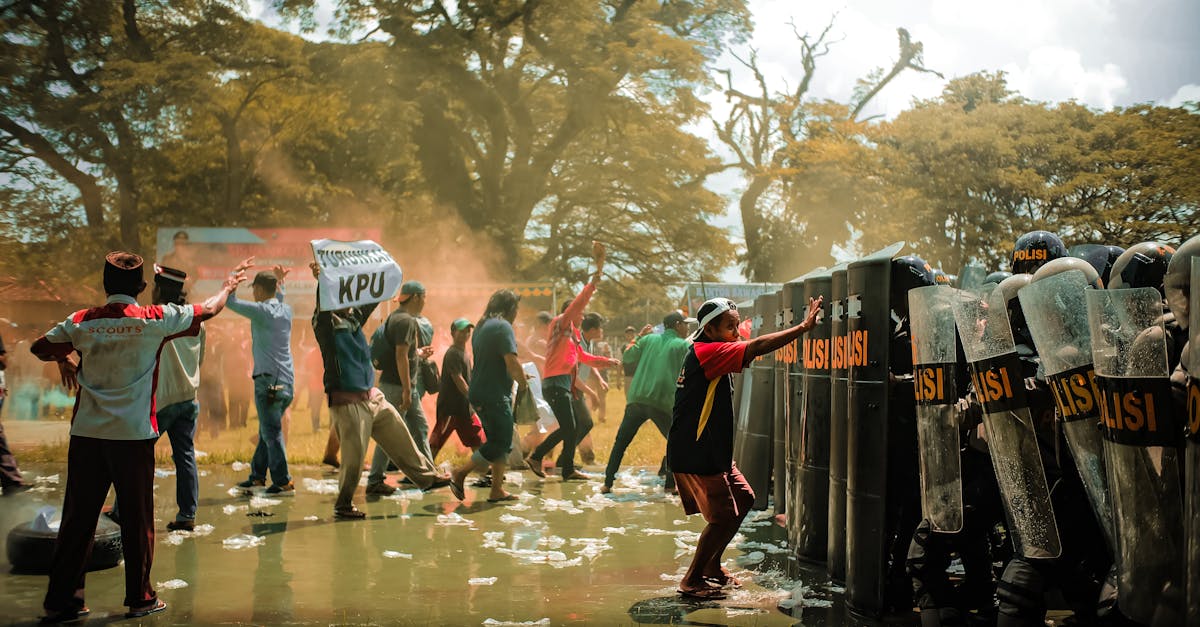
In Sydney's central business district, around 3,000 people gathered in a public square on Monday evening. They listened to speeches and chanted slogans supporting Palestine. Signs read 'War Criminals Not Welcome' and 'Herzog to the ICC.' Crowds called for Prime Minister Albanese to arrest Herzog over alleged war crimes.
The rally stayed peaceful at first. But as protesters tried to march toward Herzog's hotel, clashes broke out. Police formed lines to hold them back. Officers then deployed pepper spray. Witnesses saw at least 15 arrests. One journalist reported scuffles involving media crews.
Police Response and Powers
New South Wales police declared the visit a major event. This gave them special powers to control crowds, search vehicles, and order people to leave areas. A court earlier rejected a challenge from organizers, the Palestine Action Group. Officers used horses, a helicopter, and tear gas in some spots. No serious injuries were reported, but several protesters needed medical help for spray exposure.
Protests also happened in Melbourne. Hundreds marched in the city center, demanding an end to Israel's presence in Palestinian territories. Smaller rallies took place in Brisbane, Perth, and other towns. Nationally, turnout reached into the thousands.
"The Bondi massacre was terrible but from our Australian leadership there's been no acknowledgment of the Palestinian people and the Gazans," said Jackson Elliott, a 30-year-old protester from Sydney. "Herzog has dodged all the questions about the occupation and says this visit is about Australia and Israeli relations but he is complicit."
Herzog addressed the protests upon arrival. He said he came in good faith to honor victims and strengthen bonds. He accused some demonstrators of trying to question Israel's right to exist.
What This Means
The clashes highlight deep divisions in Australia over the Israel-Palestine conflict. Support for Palestine has grown here, with polls showing many Australians want their government to push for a ceasefire in Gaza. At the same time, antisemitism fears have risen after the Bondi attack. Jewish groups report more incidents, leading to calls for better protection.
Albanese faces pressure from both sides. He has backed Israel's right to defend itself but urged restraint in Gaza. His office repeated calls for peaceful protests during Herzog's stay. The visit could test Australia's balance in foreign policy. Trade and security links with Israel remain strong, while ties to Arab nations matter for energy and diplomacy.
Security will stay tight through the week. Police expect more rallies as Herzog moves to Melbourne. Organizers plan daily actions but say they want to avoid violence. Community leaders from both Jewish and Muslim groups have asked for calm.
For the families of Bondi victims, the trip brings focus to their loss. Many attended private meetings with Herzog on Monday. They shared stories of grief and called for unity against hate. The event shows how local tragedies connect to global tensions.
Broader questions linger about free speech and protest rights. Australia's laws allow demonstrations but set limits during high-risk events. Critics say the special powers went too far. Police maintain they acted to prevent disorder.
Herzog's tour wraps up later this week. It includes talks on technology, defense, and counter-terrorism. Outcomes could shape future cooperation. Meanwhile, Gaza talks at the UN continue, with no quick resolution in sight. Australia's stance may influence its role in peace efforts.