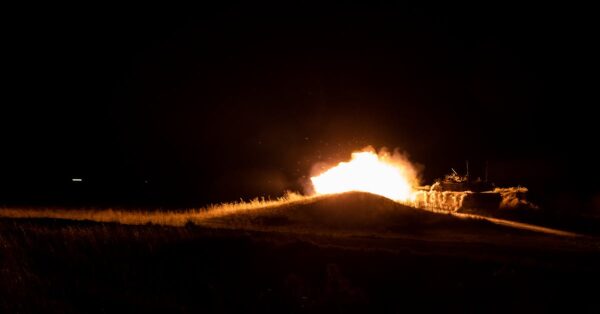

Russia has launched a massive assault on Ukraine's energy infrastructure, striking power plants and electrical facilities across the country with more than 70 missiles and 450 drones. The coordinated attack represents one of the most significant strikes on Ukraine's power grid in recent months and comes just days after a temporary agreement to halt attacks on energy sites expired.
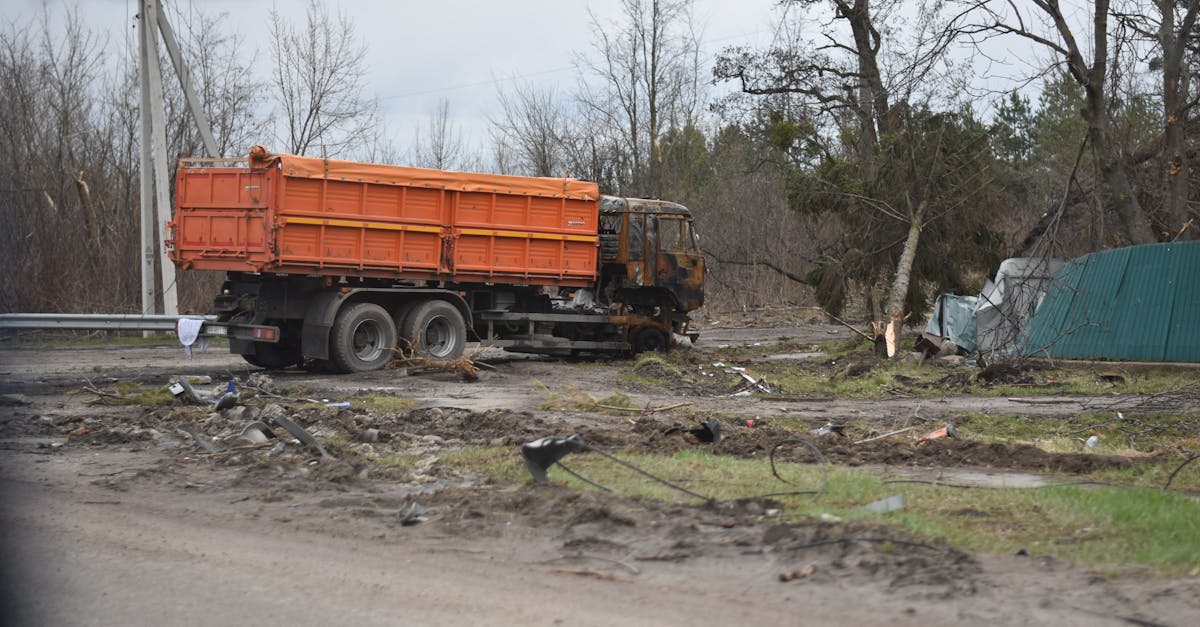
The assault targeted critical infrastructure across multiple Ukrainian regions, leaving hundreds of thousands of people without electricity and heating. Ukrainian officials said the scale of damage was severe, with power outages reported in major cities and surrounding areas.
Background
Russia has been systematically targeting Ukraine's energy infrastructure since the beginning of its invasion in 2022. These strikes have become a central part of Moscow's military strategy, designed to cripple Ukraine's ability to support its population and military operations.
Over the past four years, Russia has fired thousands of missiles and drones at power plants, electrical substations, and gas distribution centers. By mid-2024, Ukraine had lost roughly two-thirds of its pre-war electricity generating capacity. The attacks have been particularly brutal during winter months, when freezing temperatures make electricity and heating essential for survival.
Ukrainian officials and international observers have characterized these strikes as deliberate attempts to harm civilians. The UK Defense Ministry previously stated that Russia intended the attacks to demoralize the population and force Ukrainian leadership to surrender—a strategy that has largely failed.
"The scale of damage is comparable or may exceed the consequences of previous major attacks," Ukrainian energy officials said of similar strikes in late 2022.
In recent months, both sides have occasionally agreed to temporary truces on energy infrastructure. These agreements, sometimes called "energy truces," aim to reduce civilian suffering during harsh weather. However, these pauses have been short-lived, with fighting regularly resuming after the agreed periods end.
Key Details
The latest assault deployed a combination of cruise missiles and loitering drones—unmanned aircraft that can hover and strike targets with precision. The use of such varied weapons makes Ukrainian air defenses more difficult to manage, as different systems are needed to counter different threats.
Ukrainian air defense forces worked to intercept incoming weapons, but the sheer volume of the attack meant some missiles and drones reached their targets. Energy officials reported damage to multiple power generation facilities, transmission lines, and distribution centers.
The timing of the attack is significant. It occurred immediately after a temporary ceasefire on energy infrastructure ended over the weekend. These brief agreements have become part of the conflict's rhythm, allowing some repair work on damaged facilities before fighting resumes.
Impact on civilians
Mass power outages affect far more than just electricity supply. Without power, water treatment systems fail, hospitals struggle to operate, heating systems stop working, and communication networks collapse. During winter months, the loss of electricity and heating can become life-threatening, particularly for elderly people, young children, and those with medical conditions.
Ukrainian cities and towns reported widespread blackouts affecting millions of residents. Emergency services worked to restore power to critical facilities like hospitals and water treatment plants, but full restoration typically takes days or weeks.
What This Means
The attack demonstrates that despite Ukraine's efforts to defend itself and even strike back at Russian energy facilities, Russia maintains the capacity to conduct large-scale strikes against Ukrainian infrastructure. Russia has invested heavily in producing missiles and drones, allowing it to sustain this campaign even as Ukraine destroys some Russian weapons and air defense systems.
For Ukrainian civilians, the assault means renewed hardship. Repeated damage to power infrastructure makes permanent repairs increasingly difficult. Each strike sets back reconstruction efforts, and the cumulative effect leaves Ukraine's energy system in worse condition than before.
The breakdown of the energy truce suggests that negotiations between the two sides remain fragile. While both countries have occasionally agreed to spare energy infrastructure, these agreements lack enforcement mechanisms and depend on mutual goodwill that is frequently absent in active conflict.
Ukraine has responded to Russian strikes by attacking Russian energy facilities, including oil refineries and gas terminals. These counterattacks have damaged Russia's refining capacity and disrupted energy exports, creating economic pressure on Moscow. However, Russia's larger industrial base means it can sustain damage that would cripple a smaller economy.
The long-term implications remain unclear. Ukraine's energy infrastructure cannot be rebuilt faster than Russia can destroy it, creating a grinding war of attrition focused on civilian suffering. International organizations have warned that Russia's campaign against energy infrastructure may constitute a war crime, as it deliberately targets systems essential to civilian survival.