Scientists studying hundreds of primate species have found that same-sex sexual behavior helps animals survive tough conditions like scarce food, predator threats, and crowded social groups. This work, based on data from 491 non-human primates, shows the behavior in 59 species from lemurs to great apes across Africa, Asia, and the Americas. Researchers say it plays a key role in keeping groups together under pressure.
Background
People have noticed same-sex sexual behavior in animals for a long time. Records go back to ancient times, when thinkers like Aristotle wrote about it in various species. Over 1,500 species show this behavior today, from insects to mammals. In primates, it includes males or females mounting each other or other forms of stimulation.
For years, experts called it a puzzle because it did not seem to help pass on genes, which goes against basic ideas of evolution. Charles Darwin's theory focuses on traits that aid reproduction. But recent studies changed that view. Work on rhesus macaques in Puerto Rico over eight years showed that males who engage in same-sex acts form strong alliances. These bonds give them better access to females and more chances to have offspring.
Those same macaques pass down the tendency for this behavior to their young more than 6% of the time. But it depends on the surroundings and group life. The new research builds on this by looking at many more species to see patterns.
Key Details
The team gathered records on same-sex sexual behavior, or SSB, for 491 primate species. They confirmed it in 59 species, spread across different areas and types of primates. To understand why it happens, they checked 15 factors like climate, food supply, predator risks, group size, lifespan, and body size differences between males and females.
Patterns in Tough Environments
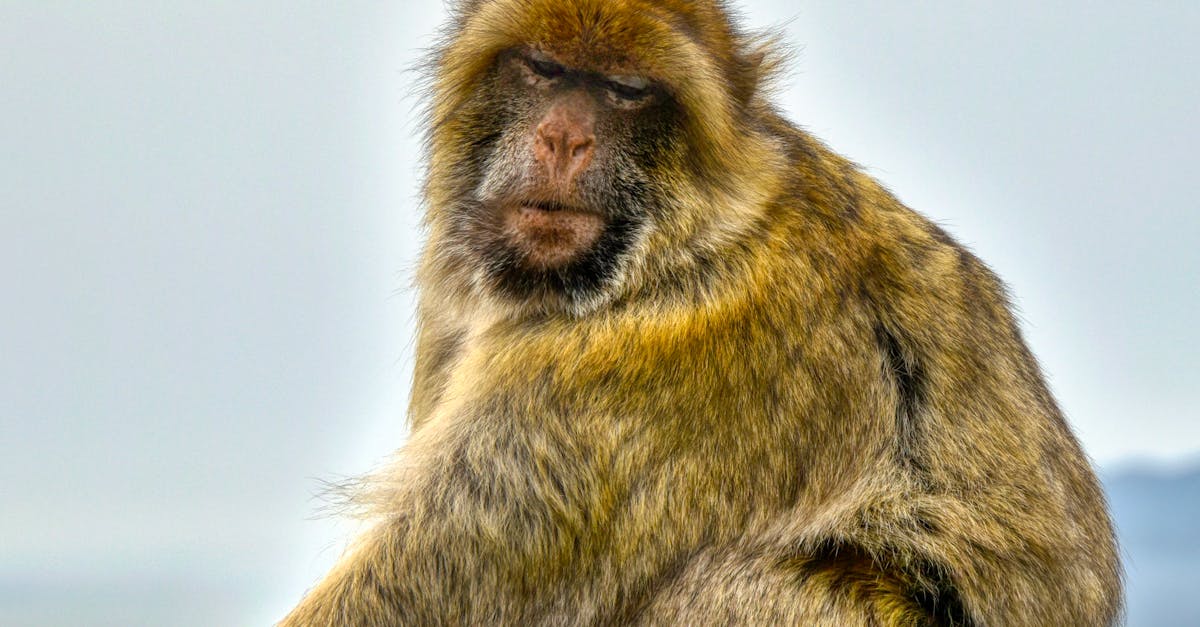
Primates in dry places with little food show more SSB. Take barbary macaques—they live in cold mountains with hard-to-find food. The behavior also turns up more in species hunted by predators, like vervet monkeys in Africa dodging big cats and snakes. These groups face constant stress, and the behavior seems to ease that.
Species with big differences in male and female sizes also do it more. Mountain gorillas fit here—males are much larger, leading to strict hierarchies and fights for status. Smaller, more equal-sized pairs or families see less of it.
Social Bonds and Group Life
Complex social setups drive the behavior too. Larger groups with clear ranks need ways to handle fights and build trust. SSB helps form alliances, calm rivals, and keep peace. Longer-lived species with slow maturity and fewer offspring rely on strong group ties, making this behavior useful.
Math models showed environment affects body size and group structure, which then boost SSB. Social complexity pushes it directly. Earlier work hinted at genes playing a part, but surroundings matter most.
"Diversity of sexual behavior is very common in nature, among species and in animal societies—it is as important as caring for offspring, fighting off predators or foraging for food." – Vincent Savolainen, Imperial College London
What This Means
This behavior has deep roots in primate history. It popped up many times independently, from lemurs to apes. It acts as a tool for handling stress, much like grooming or sharing food. In harsh spots, it keeps groups from falling apart when resources run low or dangers rise.
For human relatives long ago, similar pressures existed—dry lands, predators, big groups. Early humans faced food shortages and needed tight bonds to survive. The study does not claim it explains all human sexual diversity, which has unique layers like orientation and choice.
Experts outside the team welcomed the findings. One anthropologist said modern methods now shed light on behaviors like those in humans. The work warns against wrong ideas, like thinking equal societies would end such acts. It stresses context matters.
The research opens doors to more studies. How do genes and surroundings mix in other animals? Could climate shifts today change these patterns? Field workers plan to watch groups in changing habitats. Labs might test alliances in controlled settings. This adds to our view of animal life as flexible and group-focused.
Primate watchers in places like Puerto Rico keep tracking macaques. Teams in Africa follow gorillas and monkeys. Data from these spots will fill gaps. Over time, links to human evolution might grow clearer, always tied to real pressures faced by wild groups.