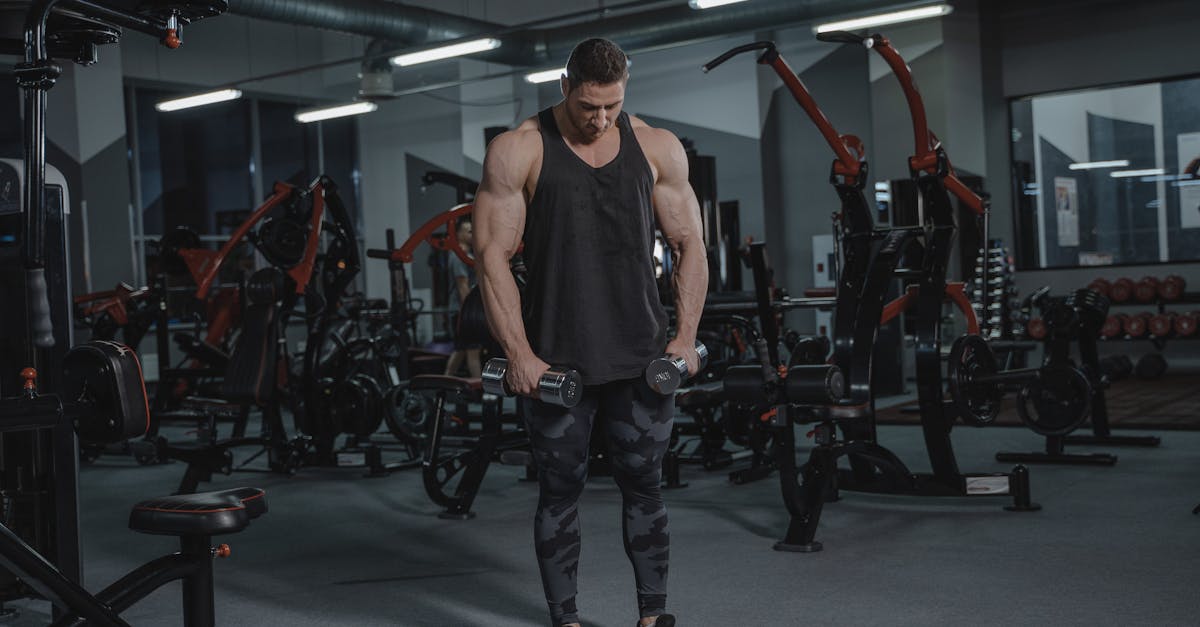
Researchers tested how little time people need in the gym to get stronger. They had a group of adults do weight training for 30 minutes twice a week over eight weeks. Everyone in the study saw gains in muscle size and strength, no matter if they were men or women.
Background
Many adults skip strength training because they think it takes too much time. Centers for Disease Control and Prevention guidelines call for two days a week of muscle-building activity, plus 150 minutes of moderate exercise. Yet only about one in four adults meets both goals. People often picture long gym hours to see any change. But studies over the years have shown smaller doses work too. One look at past research found single sets of exercises two or three times a week build strength, especially for beginners and older adults. Another review showed even trained people hold onto muscle with low-volume routines. Astronaut studies matched single sets to multiple sets for upper body gains. These findings build a case that time does not have to block progress.
The latest work comes from a team at Lehman College in New York. They wanted to see if very short sessions could deliver results for people already familiar with weights. Participants had experience with resistance training, so they were not total newcomers. The study ran for two months, with sessions kept to half an hour each. This setup matches real life for busy people who want to fit in workouts without big changes.
Key Details
The routine covered nine basic exercises for the main muscle groups: legs, back, chest, arms, and core. People did full-body work each time, twice weekly. They used machines and free weights, focusing on form. Half the group pushed to failure—meaning they could not do one more rep with good technique. The other half stopped with reps left in reserve, still working hard but not maxed out. Both groups ended up with thicker muscles in key spots like thighs and arms. Strength tests showed jumps in power, endurance, and max lifts.
Why Short Rests Help
Sessions stayed brief with one- to two-minute breaks between sets. Shorter rests build metabolic stress, a driver of muscle growth. That stress comes from lactate buildup and hormone shifts during intense effort. Even powerlifters, who start very strong, made progress with just three hard sets a week at heavy loads over 80% of their max. Rest times as low as 60 seconds worked for new lifters building strength.
Experts point to body processes at play. Lifting triggers muscle damage, repair signals, and growth factors. These happen in short bursts if you challenge the muscles enough. One trainer noted that benefits kick in without max effort every day. Law of diminishing returns means more time does not always mean more gain.
"In our study, the workouts were sufficiently hard to challenge the participants’ muscles beyond their present capacity. This is key to making continued muscular gains." – Brad Schoenfeld, Ph.D., professor of exercise science at Lehman College
Past data backs this. A meta-analysis split gains by weekly sets: under five sets gave about 5% hypertrophy, five to nine around 7%, and ten-plus near 10%. Low end still moves the needle. Maintenance studies show one to four sets per session holds strength for months in legs and upper body.
What This Means
Busy schedules no longer serve as a full excuse to skip weights. Two 30-minute slots a week fit most calendars and match health guidelines if they hit all major muscles. Beginners might start even shorter, at 15 to 20 minutes, and build up. Those already fit can maintain or grow with single sets close to failure. Runners and others cross-training need just 30 to 60 minutes three times weekly to preserve mass and boost performance.
Harvard researchers found 30 to 60 minutes total per week cuts all-cause death risk by 10% to 20%. Mayo Clinic data says one set of 12 to 15 reps builds muscle as well as three sets for most. Powerlifters prove high intensity trumps long hours. For sedentary folks, this opens the door—start small, push hard, recover well. Trained athletes learn minimal doses keep them sharp without burnout. Gyms stay accessible; home setups with dumbbells or bands work too. Consistency matters more than perfection. As one expert put it, even 20-minute sessions yield results if effort stays high. This shifts how people plan fitness around work, family, and life demands.