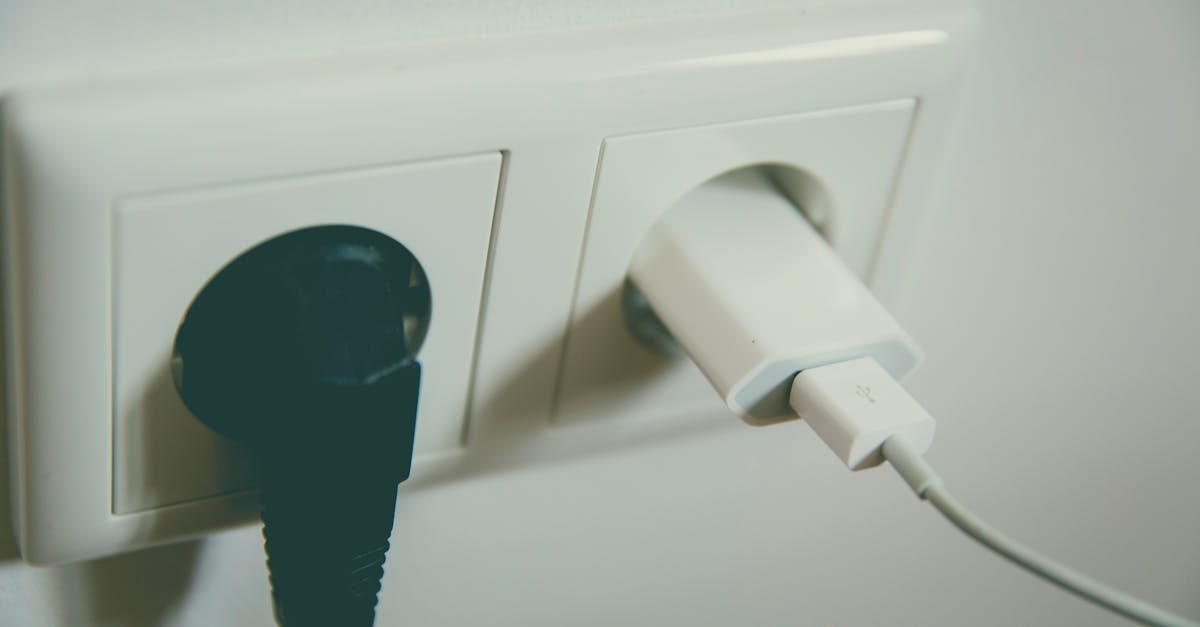
Smart plugs are moving from the margins of home automation into mainstream use as consumers discover practical ways to reduce energy bills and automate everyday tasks. What began as a niche gadget category is now attracting serious attention from households across North America and beyond, with market analysts projecting substantial growth over the next several years.
These small devices plug into standard electrical outlets and allow users to control connected appliances remotely, schedule when devices turn on and off, and monitor how much power individual items consume. Unlike built-in smart features found in newer appliances, smart plugs work with existing devices, making them an affordable entry point into home automation for many families.
Background
The smart plug market has grown significantly as awareness of energy efficiency spreads among consumers. Households are increasingly focused on managing electricity costs, particularly as utility bills rise. Smart plugs address this concern by providing visibility into power consumption and allowing users to eliminate wasted energy from devices left running when not in use.
The residential segment has emerged as the primary driver of this growth. According to industry research, adoption of smart plugs in homes has increased by approximately 18%, with market experts anticipating expansion of around 25% in coming years. The residential sector was valued at USD 1.09 billion in 2019 and has shown steady growth since then.
North America leads the market, driven by high adoption of smart home technology overall. Smart home penetration in the United States has reached nearly 69%, meaning the majority of American households now own at least one smart home device. This foundation has created an environment where smart plugs can flourish as consumers look for ways to extend automation to devices they already own.
Key Details
Market Growth and Size
The global smart plug market is experiencing rapid expansion. Industry projections vary depending on the forecasting model, but all point toward substantial growth through the end of the decade. One analysis suggests the market will reach USD 15 billion by 2026, while another projects growth to USD 6.2 billion by 2033. The variation reflects different methodologies and market definitions, but the direction is consistent: the market is expanding.
Growth rates are equally impressive. Projections range from 12% to 32% annual growth, depending on the analysis period and geographic focus. This pace significantly outpaces general consumer electronics growth, indicating that smart plugs are gaining market share within the broader home automation space.
Energy Savings Drive Adoption
One of the primary reasons households are adopting smart plugs is the measurable reduction in energy consumption. Current data shows that households using smart plugs achieve an average 28% reduction in standby power consumption compared to conventional devices. This translates directly to lower electricity bills.
Consumers are responding to this benefit. The growing emphasis on energy efficiency, driven by rising electricity costs and increased awareness of sustainability, has made smart plugs attractive to price-conscious homeowners. Government energy efficiency standards and initiatives promoting smart cities have further boosted adoption.
Connectivity and Features
Smart plugs connect to home networks using different wireless technologies. Wi-Fi enabled smart plugs account for a substantial portion of the market, benefiting from widespread Wi-Fi availability and integration with popular voice assistants like Amazon Alexa, Google Assistant, and Apple Siri. This integration allows users to control devices through voice commands, adding convenience to the energy savings.
Beyond basic on-off control, modern smart plugs offer energy monitoring, scheduling, and remote access. These features allow users to program devices to turn on or off at specific times, monitor real-time power consumption, and control appliances from anywhere with an internet connection.
Commercial Applications Emerging
While residential use dominates, commercial applications are growing rapidly. Businesses are using smart plugs to monitor energy consumption across multiple devices, automatically schedule equipment operation during off-peak hours, and reduce overall facility energy costs. The ability to manage multiple smart plugs through centralized platforms makes this scalable for larger installations.
What This Means
The expansion of the smart plug market reflects a broader shift in how consumers approach home energy management. Rather than replacing existing appliances with smart versions, households are using smart plugs as an affordable, flexible way to add automation and monitoring to their current setup.
"Smart plugs have gained popularity among consumers due to their cost-effectiveness and the numerous advantages they offer, including remote monitoring, energy control, and scheduling."
This approach makes sense economically. A smart plug costs significantly less than replacing an appliance, yet delivers meaningful energy savings. For renters or those hesitant to invest in expensive smart appliances, smart plugs provide a practical alternative.
The trend also reflects growing consumer awareness of energy costs and environmental impact. As electricity prices rise and climate concerns intensify, homeowners are looking for straightforward ways to reduce consumption. Smart plugs deliver visible results without requiring extensive home renovation or technical expertise.
For technology manufacturers, the market opportunity is substantial. The combination of residential growth, commercial expansion, and integration with voice assistants suggests smart plugs will remain a core component of home automation strategies. The relatively low barrier to entry means new players can enter the market, while established companies can expand their offerings.
Looking ahead, further improvements in network integration and reduced latency could drive additional efficiency gains. Industry projections suggest that optimized network performance could deliver a further 16% efficiency improvement, meaning the devices will become even more effective at reducing energy waste.
The smart plug story is ultimately about practicality. These devices work with what people already own, save money on electricity bills, and require minimal setup. As more households discover these benefits, the market will likely continue its rapid expansion.