

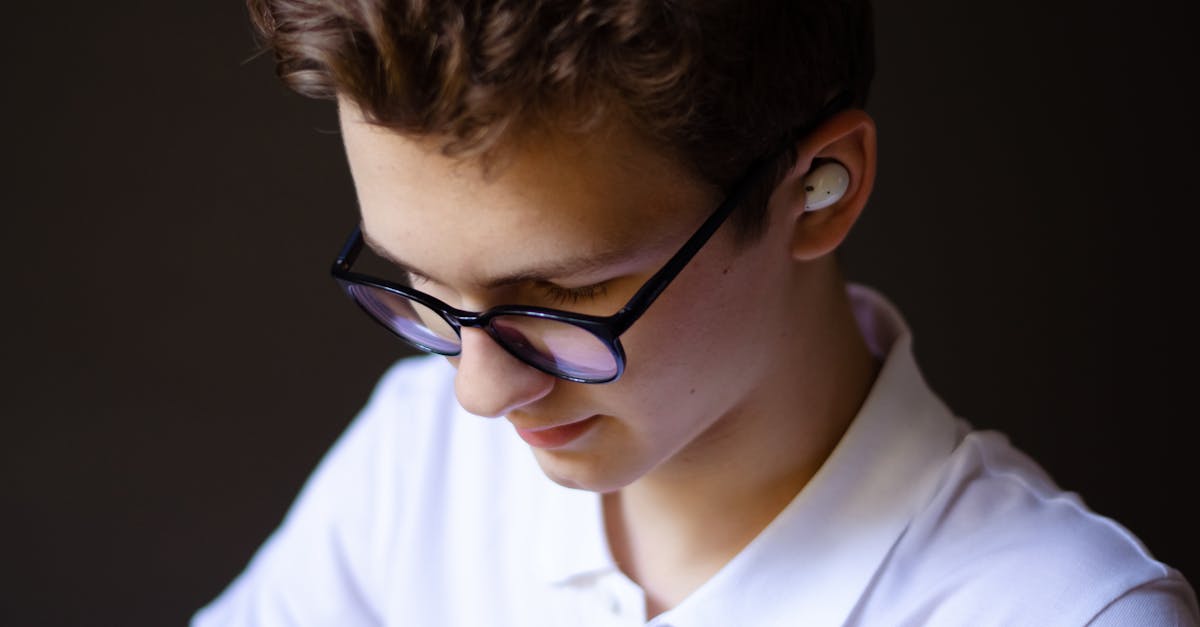
A South Korean company called Edenlux is preparing to launch a new wearable device in the United States designed to combat digital eye strain and help people reduce their dependence on reading glasses. The device, called Eyeary, will debut through a crowdfunding campaign on Indiegogo around the end of March, marking the company's entry into the American market.
The move comes as more people spend extended hours staring at screens. Research shows that daily smartphone use now exceeds three hours on average for most people, with many adults reaching six hours or more of total screen time each day. This constant close-up exposure has been linked to dry eyes, eye fatigue, blurred vision, headaches, and worsening nearsightedness.
Background
Edenlux was founded by Sungyong Park, a medical doctor who experienced a personal eye health crisis that shaped his mission. While serving as a military physician, Park received a muscle relaxant injection to treat severe neck stiffness. The injection triggered a rare side effect: temporary paralysis of the eye muscles responsible for focusing. Doctors told him there was little he could do except wait for the condition to resolve on its own.
Instead of waiting, Park took matters into his own hands. He imported specialized ophthalmic equipment and began retraining his eye muscles himself. Over time, his vision gradually returned. That experience fundamentally changed how he understood eye health and led him to develop technology that could help others protect and restore their vision in an increasingly screen-dependent world.
"Edenlux was born out of my own struggle with vision loss during my military service. I experienced firsthand how limiting it can be when your eyes can no longer keep up with daily life." – Sungyong Park, Edenlux founder and CEO
The company first launched its flagship product, called Otus, in 2022 across South Korea, Singapore, Japan, and Taiwan. That bulky, VR-style device uses specialized lenses to make the ciliary muscle contract and relax. The ciliary muscle controls the lens inside the eye and can become overworked from prolonged screen time. Otus has generated 10 million dollars in cumulative revenue, though the device required users to typically spend about 12 months reducing their dependence on reading glasses.
Key Details
Eyeary represents a significant step forward in design and capability. The new device looks like ordinary eyeglasses rather than a VR headset, making it lighter, more comfortable, and less obtrusive for daily use. The lens system includes 144 diopter focal points, compared to just five in the Otus device. This allows for much finer focus adjustments and more precise eye-muscle training.
Park claims that Eyeary could cut the time needed to reduce reading glass dependence from roughly 12 months with Otus to around six months, though he acknowledged that results depend on how consistently users wear the device and their individual physiology.
How the technology works
The device pairs with a mobile app through Bluetooth, collecting data about how often and how intensely users train their eyes. That usage data gets sent to Edenlux's servers, where the company uses artificial intelligence to analyze patterns across different age groups, genders, and vision profiles. The AI then predicts how long improvement might take and creates customized training programs tailored to each user.
Unlike traditional medical devices, Eyeary falls under the FDA's wellness category. This allows the company to market it for vision training and general eye health without going through the lengthy approval process required for medical devices. The regulatory approach lets Edenlux move faster to market while keeping its claims focused on training and comfort rather than clinical treatment.
What This Means
Edenlux has already established a U.S. subsidiary in Dallas, Texas, where Eyeary will undergo final assembly. The company raised 39 million dollars in Series A funding in 2020 and another 60 million dollars in Series B funding in 2022. Park said the company has sufficient cash reserves to support operations for several years, which is why it opted to launch through crowdfunding rather than seek additional investor funding.
The company's vision extends beyond Eyeary. Edenlux has disclosed plans for additional products including Tearmore for dry eye, Lux-S for strabismus support, Lumia for myopia prevention, and Heary for auditory recovery. Most of these products are expected to launch in Asia first.
Looking further ahead, Park said the company is exploring partnerships with major technology firms like Apple and Samsung. The goal is to integrate Edenlux's vision-protecting technology directly into smartphones and other consumer devices, essentially building eye-health training into the devices people already use every day.
Edenlux sees itself as competing in a similar space to companies like Oura Ring, which collects human health data and provides insights through software on a subscription model. While Oura focuses on heart rate and sleep tracking, Edenlux is targeting vision and hearing health. The company's target customers include anyone who regularly uses smartphones and earphones, essentially a massive global market facing the same digital lifestyle challenges that Park himself experienced.