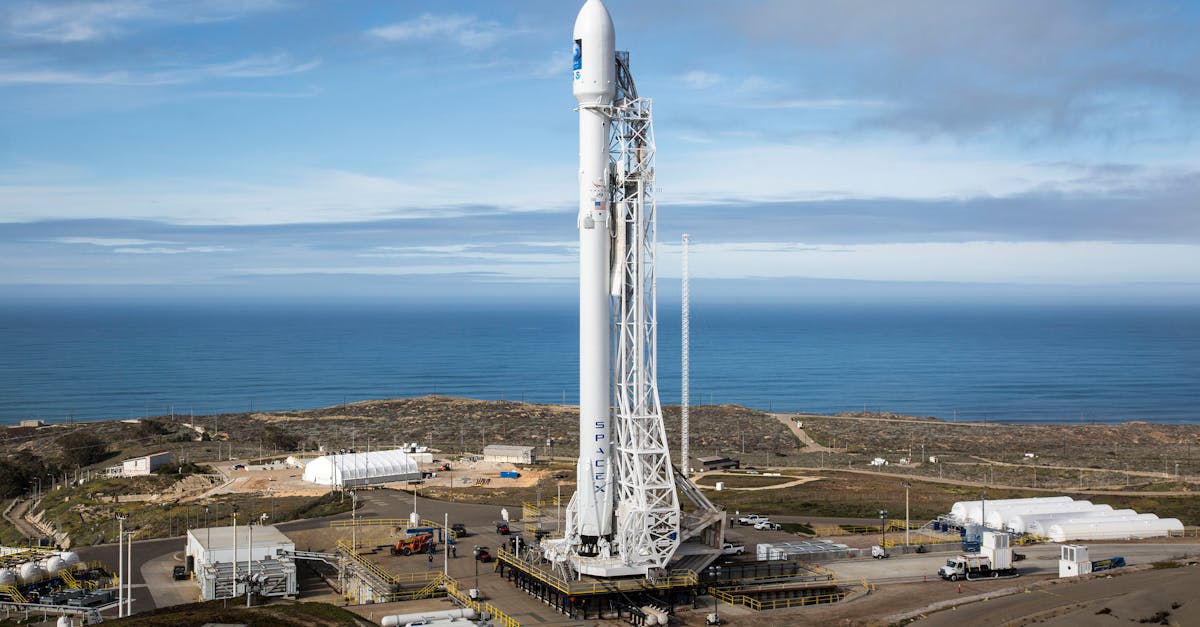
The U.S. Space Force has shuffled its GPS satellite launch schedule again, switching which rockets will carry two spacecraft to orbit. The decision moves one satellite from a United Launch Alliance Vulcan rocket to a SpaceX Falcon 9, while sending another in the opposite direction. The swap is designed to speed up launch timelines and deliver better value to taxpayers.
The GPS III Space Vehicle 09 will now fly on SpaceX's Falcon 9 rocket instead of the Vulcan that was originally planned. Meanwhile, the GPS III Follow-on Space Vehicle 13 will launch on United Launch Alliance's Vulcan instead of SpaceX's Falcon Heavy. Space Force officials said SpaceX could launch the first satellite within the next few weeks as it enters final preparation stages.
Background
The U.S. military depends on a constellation of GPS satellites orbiting Earth to provide positioning, navigation, and timing data for troops, weapons systems, and civilian infrastructure. Keeping these satellites operational and replacing aging ones is a constant priority for the Space Force.
The Space Force contracts with multiple launch providers to ensure it has options and maintains competition in the national security space launch market. United Launch Alliance, a joint venture between Boeing and Lockheed Martin, and SpaceX both compete for these lucrative contracts. The arrangement gives the Space Force flexibility to adjust plans when one provider faces delays or when schedules change.
This is not the first time the Space Force has reshuffled its GPS launch plans. In May 2025, SpaceX launched a GPS III satellite that was originally assigned to United Launch Alliance. That same month, the Space Force had also conducted a similar swap, trading satellites between the two providers to accelerate launches. In December 2024, SpaceX launched another GPS satellite originally planned for United Launch Alliance as part of what officials called the "Rapid Response Trailblazer" mission, designed to minimize delays caused by problems with the Vulcan rocket.
Key Details
The GPS III Space Vehicle 09 was originally awarded to United Launch Alliance under a contract announced in October 2023. That deal, part of the National Security Space Launch Phase 2 program, gave United Launch Alliance 11 missions valued at $1.3 billion. The GPS III Follow-on Space Vehicle 13 was assigned to SpaceX under a separate contract announced in April 2025 for the Phase 3 Lane 2 program.
"SV09 and SV13 were traded between ULA and SpaceX to get capability to orbit as soon as possible. The trade results in an overall net cost savings to the government and again demonstrates our sustained commitment to moving at speed to deliver combat-credible capabilities on orbit to meet warfighter needs." – U.S. Space Force Space Systems Command
The swap reflects a pattern of decision-making at the Space Force aimed at getting satellites into orbit quickly while managing costs. Officials have emphasized that these trades are not made randomly but are calculated moves to balance speed, capability, and budget concerns.
Why the changes keep happening
United Launch Alliance's Vulcan rocket has faced significant delays. The rocket was supposed to launch four Space Force missions last year but that number was cut to two and pushed into 2026. The company experienced development problems and certification delays after material broke off one of the solid rocket boosters during a test flight in October. The Vulcan has now become the first national security mission to fly on the company's new heavy-lift rocket, but the delays have created a backlog of missions waiting for launch.
SpaceX's Falcon 9, by contrast, is a proven rocket with a long track record of successful launches. Having a spacecraft ready to fly on an available Falcon 9 allows the Space Force to get satellites operational faster than waiting for the Vulcan to complete its missions.
What This Means
The Space Force faces pressure to maintain and upgrade its GPS constellation while managing a crowded launch manifest. By trading satellites between providers, officials can work around delays from one company while keeping another busy with available work. This approach also sends a message to launch providers that the Space Force values speed and reliability.
United Launch Alliance has committed to launching twice a month by the end of 2026, combining Vulcan and Atlas rockets, to clear the backlog of missions that have accumulated. The company is the first of 25 launches the Space Force has ordered from United Launch Alliance under Phase 2 of the National Security Space Launch program.
For the military, getting GPS satellites in orbit matters for national security. These satellites support everything from precision-guided weapons to financial systems that depend on accurate timing. Any delay in refreshing the constellation could potentially affect military readiness. By moving satellites between launch providers based on availability and readiness, the Space Force is trying to ensure continuous capability while new rockets like the Vulcan mature.
The trades also demonstrate how competition between launch providers can benefit the government. When one company faces delays, having alternatives allows decision-makers to keep missions moving forward rather than waiting for a single provider to resolve problems.