

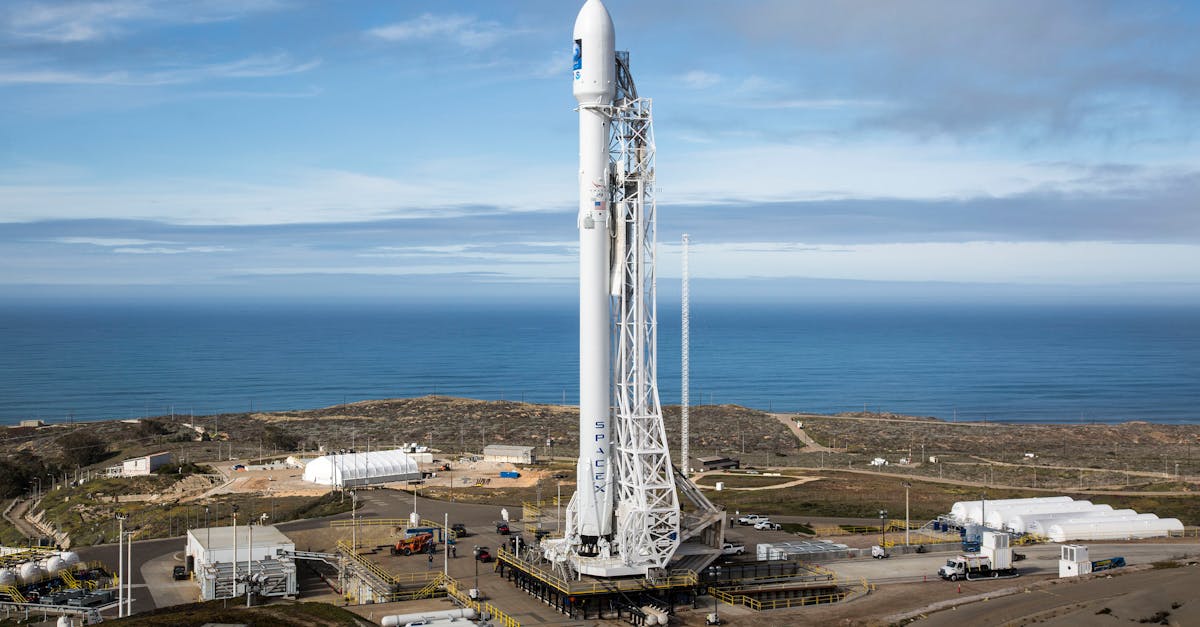
The U.S. Space Force has decided to launch its next GPS satellite on a SpaceX Falcon 9 rocket instead of a United Launch Alliance Vulcan. This switch, announced this week, will send the GPS III Space Vehicle 09, or SV09, into orbit in the coming weeks. The move helps get the satellite up quickly to support military operations, and it swaps missions with ULA so both companies can meet deadlines.
Background
GPS satellites form the backbone of the Global Positioning System, which guides ships, planes, troops, and everyday devices worldwide. The U.S. Space Force manages this network to keep it reliable for defense needs. Each new satellite adds better signals and stronger protection against jams or fake signals from enemies.
The Space Force buys launches through contracts called National Security Space Launch, or NSSL. These deals spread work between companies like SpaceX and United Launch Alliance, or ULA, to avoid delays if one runs into problems. ULA builds the Vulcan rocket, its newest heavy lifter, to replace older models. SpaceX uses its Falcon 9 and Falcon Heavy rockets, which have flown many times.
This is not the first change for GPS launches. In May 2025, SpaceX sent up GPS III SV08, a mission first given to ULA. Back in December 2024, SpaceX launched SV07 after another swap to dodge Vulcan delays. These shifts show how the Space Force juggles schedules to keep satellites coming.
SV09 was part of a 2023 contract award to ULA for 11 missions worth $1.3 billion. That included the GPS III-9 slot for this satellite. Meanwhile, SV13, the third in the next generation of GPS III Follow-on satellites, was set for SpaceX's Falcon Heavy in a later year under a 2025 contract. The Space Force often tweaks these plans based on who can launch first.
Key Details
The swap trades SV09 from ULA to SpaceX and SV13 from SpaceX to ULA. SpaceX can ready the Falcon 9 fast, with SV09 already in final checks. Launch could happen any week now from Florida's Cape Canaveral Space Force Station, a main spot for these missions.
ULA will use its Vulcan for SV13 instead. Vulcan has faced setbacks, like parts breaking off in a test flight last October, which slowed certification. The rocket just flew its first military payload this week, the Navigation Technology Satellite-3, or NTS-3, an experiment for tougher GPS signals.
Past Swaps and Patterns
These trades follow a pattern. The May 2025 swap put SV08 on Falcon 9 after ULA could not meet the date. ULA got SV11 in return, originally a SpaceX job. The December 2024 Rapid Response Trailblazer mission had SpaceX launch SV07 to fill a gap. Each time, the goal was speed.
A Space Force spokesperson from Space Systems Command's System Delta 80 explained the reason:
“SV09 and SV13 were traded between ULA and SpaceX to get capability to orbit as soon as possible, for the same reason as the prior swap, which resulted in the last GPS launch in May 2025. The trade results in an overall net cost savings to the government and again demonstrates our sustained commitment to moving at speed to deliver combat-credible capabilities on orbit to meet warfighter needs.”
This keeps the GPS fleet growing without big waits.
What This Means
Faster launches mean the GPS network stays strong for troops who rely on it for exact locations in tough spots. Delays could leave gaps, making navigation harder during missions. By picking SpaceX now, the Space Force avoids Vulcan holdups and saves money overall.
ULA gets a solid mission with SV13 on Vulcan, helping prove the rocket for more defense work. SpaceX keeps its busy schedule, which already includes many government launches. This balance pushes both to improve reliability.
The GPS III series brings upgrades like better accuracy and jam resistance. SV09 will join others in medium-Earth orbit, about 12,500 miles up, circling twice a day. Follow-on models like SV13 add laser links for talking to other satellites and better clocks for timing signals.
Recent tests, like NTS-3 on Vulcan, check ideas such as steerable antennas for jammed areas and signals that fight spoofs. These could feed into future GPS birds, making the whole system tougher.
For the Space Force, swaps like this fit a push for quick space access. They pull satellites from storage and rush them to launch, cutting prep from two years to months. This speeds up adding new tech to counter threats from rivals building their own navigation nets.
Launch sites stay busy. Cape Canaveral handles most east coast liftoffs, with Vandenberg in California for west coast ones. SpaceX pads there support fast turnarounds, firing Falcons weekly.
The shift highlights competition in space launches. SpaceX flies more often at lower cost, pressuring ULA to ramp Vulcan to two launches a month by year's end. The Space Force benefits from this rivalry, picking the best option each time.
Troops get steady GPS signals for weapons, drones, and moves on the ground. Civilians use it too, from phones to planes, but military needs drive the upgrades. With SV09 soon in space, the constellation edges closer to full strength.