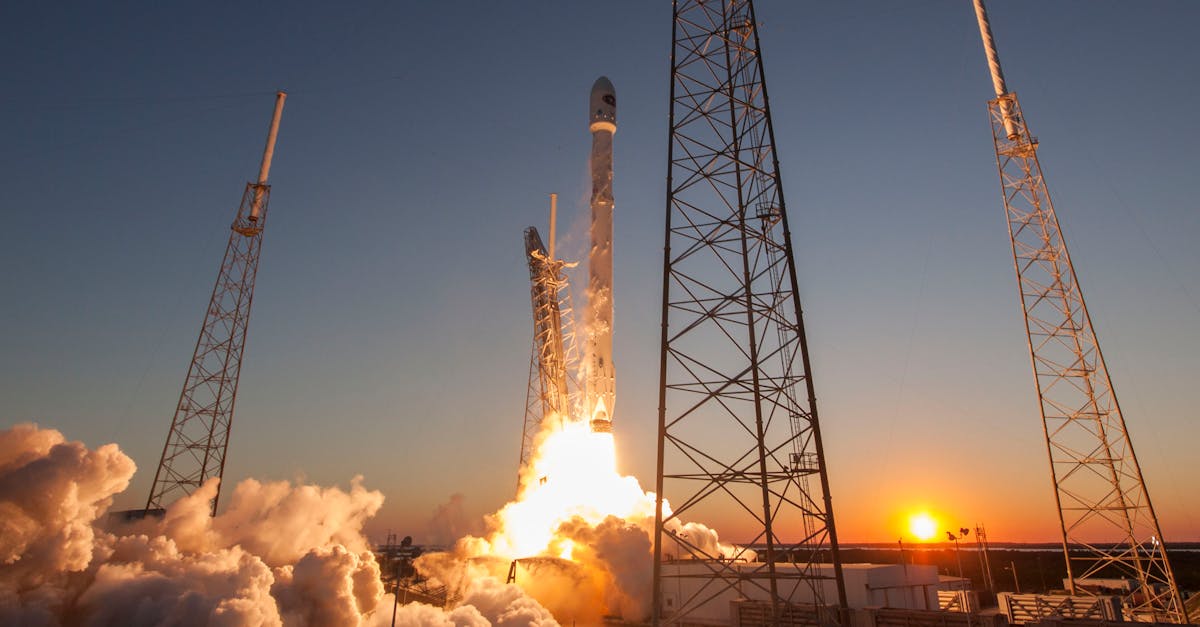
A SpaceX Falcon 9 rocket launched the ninth GPS III satellite, known as Space Vehicle 09 or SV09, for the US Space Force late on January 27, 2026. The liftoff happened from Space Launch Complex 40 at Cape Canaveral Space Force Station in Florida at 11:53 p.m. EST, after two days of delays caused by weather. This satellite will improve positioning, navigation, and timing services with better accuracy and resistance to jamming for military users.
Background
The GPS system has guided ships, planes, and people around the world for decades. It started as a military tool but now serves everyone from farmers to drivers. The US Space Force oversees it, making sure the satellites stay up to date. Each new batch brings better signals that work even in tough spots, like battlefields where enemies might try to block them.
GPS III satellites are the latest step up. Lockheed Martin builds them. The first one flew in December 2018. SV09 is the ninth in this series, out of ten planned. These satellites go into medium Earth orbit, about 20,000 kilometers up. From there, they send signals that pinpoint locations within a few meters.
This launch came after a change in plans. At first, United Launch Alliance had the job with its Vulcan rocket. But the Space Force shifted SV09 to SpaceX's Falcon 9. This happened because of timing and readiness issues. Earlier, in December 2024, they moved another GPS satellite ahead on a Falcon 9 under a quick-response plan. That set the pattern for faster launches when needed. The switch let teams process SV09 in just 41 days from arrival to liftoff, the quickest ever for a SpaceX national security mission.
The Space Force has two main teams running things. Space Systems Command handles the launch contracts through its System Delta 80 program. They pick rockets like Falcon 9 for national security jobs. Mission Delta 31 works with Lockheed Martin on preparing the satellite before launch. On January 6, 2026, crews loaded SV10, the next one, onto a plane in Colorado for a trip to Florida, but its date is not set yet.
Weather played a big role. The original target was January 25. SpaceX pushed it to January 26 because of recovery weather for the rocket booster. Then, on January 26, high winds kept things grounded. The forecast for January 27 showed calmer air as high pressure moved in, dropping the weather risk to low levels.
Key Details
The Falcon 9 lifted off at 11:53 p.m. EST into a 15-minute window. The rocket's first stage, booster B1096, flew for the fifth time. It had carried NASA's IMAP mission, a National Reconnaissance Office payload called NROL-77, Amazon's Kuiper satellites on KF-01, and Starlink group 6-87 before. Eight and a half minutes after launch, the booster separated and landed on SpaceX's drone ship 'A Shortfall of Gravitas' in the Atlantic Ocean. This was the 141st landing on that ship and the 564th overall for SpaceX boosters.
The upper stage kept going. Nearly 1.5 hours after liftoff, it released SV09 into a transfer orbit toward medium Earth orbit. The satellite carries M-Code technology. This makes signals stronger and harder to jam. Space Force leaders say it gives troops more precise location data even under attack.
Rocket and Satellite Specs
SV09 weighs several tons and unfolds solar panels once in space. It joins eight other GPS III satellites already working. The full set of ten will replace older ones from the 1990s. The Space Force named this one after Colonel Ellison Onizuka, a NASA astronaut who died in the 1986 Challenger disaster.
SpaceX streamed the launch live. Teams watched every step from control rooms in Hawthorne, California, and Cape Canaveral. This was SpaceX's second national security launch of 2026, following NROL-105 on January 16.
"We have a proven ability to adapt the launch manifest to complex and dynamic factors and are continuing to shorten our timelines for delivering critical capabilities to warfighters." – US Space Force official
Lockheed Martin finished building SV09 well ahead. Processing started right after it arrived in Florida. Teams mated it to the Falcon 9 payload fairing weeks before launch. Checks confirmed all systems ready.
What This Means
This satellite strengthens the GPS network right away. With M-Code, military planes, ships, and missiles get signals that cut through interference better. Civilians benefit too, as the system improves overall accuracy for phones, cars, and apps.
The quick switch to SpaceX shows how the Space Force mixes rocket providers. United Launch Alliance still has Vulcan launches ahead, like GPS III SV10 and follow-on models. SpaceX takes others, keeping options open. This flexibility speeds up deliveries when delays hit.
More GPS satellites are coming. The tenth GPS III heads up later in 2026. Then GPS IIIF starts in spring 2027. These add laser communications and better clocks for even tighter timing. The constellation needs 24 main satellites plus spares for full coverage.
SpaceX keeps pushing reuse. Booster B1096 will refly soon after checks. Drone ship landings save money and let frequent launches. For the Space Force, reliable rides to orbit mean steady upgrades without big waits.
National security missions stay busy. SpaceX and others line up for spy sats, comms birds, and more. This GPS launch fits a pattern of nighttime Florida takeoffs, with pads at Cape Canaveral handling back-to-back jobs.
The mission wrapped smoothly. SV09 coasts to its spot. Ground teams will test signals soon. Operators at Schriever Space Force Base in Colorado control the fleet. They shift orbits as needed and fix issues from afar.
Florida's spaceport buzzes. Space Launch Complex 40 hosts most Falcon 9s. Nearby, Kennedy Space Center preps Starship tests. The area draws thousands of jobs and fuels the economy.
Users worldwide rely on GPS daily. Bank trades time stamps use it. Farms guide tractors. Search teams find lost hikers. Military ops depend on it most, so upgrades like SV09 matter a lot.
Teams celebrate small wins. Another satellite in place means one step closer to a tougher, smarter network. Work goes on for the next ones.