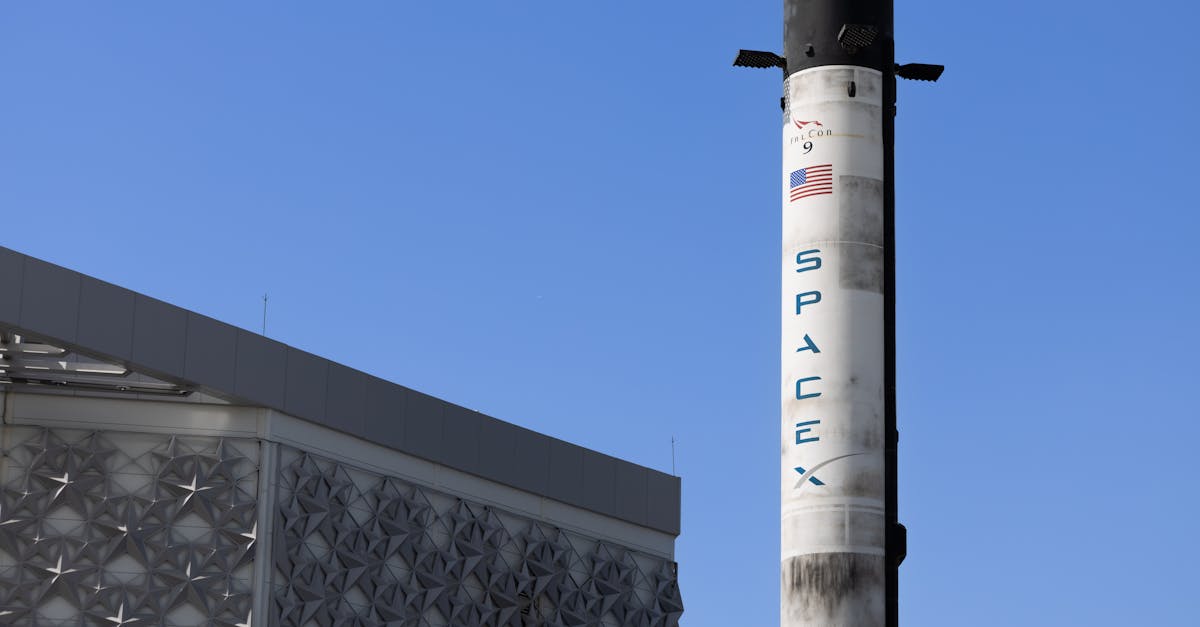
SpaceX launched a Falcon 9 rocket from Vandenberg Space Force Base in California on Friday night, carrying spy satellites for the US National Reconnaissance Office. The liftoff for the NROL-105 mission happened at 8:39 p.m. Pacific time, or 4:39 a.m. UTC on Saturday. This was the first national security mission for SpaceX in 2026, part of an effort to build a large group of satellites for intelligence gathering.
Background
The National Reconnaissance Office runs the nation's spy satellites. These satellites watch Earth from space to collect information for the government. For this mission, SpaceX used its Falcon 9 rocket from Space Launch Complex 4 East at Vandenberg. The base sits on the central California coast, a spot good for launches into polar orbits because it points south over the ocean.
This launch fits into a bigger plan that started in May 2024. The NRO has sent up satellites 11 times before this on Falcon 9 rockets. They bought these launches outside the usual National Security Space Launch contracts. The goal is to create the largest government satellite group ever, with hundreds of small satellites. Launches will continue through 2029. About half a dozen more missions are set for 2026, and NROL-105 is the first.
The satellites likely come from the Starshield program. Starshield is a version of SpaceX's Starlink satellites made for government use. They go to low Earth orbit, close to the planet, which lets them see areas often and send data back fast. Northrop Grumman helps build some of these for reconnaissance, which means spotting and imaging from space.
Vandenberg has seen many SpaceX launches. The site allows rockets to fly over water, away from people on land. This keeps things safe during the flight.
Key Details
The Falcon 9 lifted off during a 35-minute window that opened at 8:18 p.m. Pacific time. Teams adjusted the countdown a few times, but the rocket went up right on the new schedule. The first stage booster had tail number B1100. This was its second flight; it flew before on a Starlink mission in November 2025.
About 7.5 minutes after launch, the booster came back and landed at Landing Zone 4 next to the pad. This was the 33rd landing there for SpaceX and the 560th overall booster landing for the company. The first stage has nine Merlin engines that make over 1.7 million pounds of thrust. It carries about 1 million pounds of fuel, a mix of liquid oxygen and RP-1 kerosene.
Mission Patch and Design
The NROL-105 mission has its own patch. Blue circles show the many satellites in the group. The design looks like an eye's iris, which fits the NRO's job of seeing Earth from space. It also has a horizon line and a path to orbit with a four-point star. The words 'Strength in Numbers' sum up the plan: lots of small satellites make the system strong and hard to take out.
SpaceX ended its live webcast soon after the booster landed, as asked by the NRO. They do this on these missions to keep details secret. No one knows exactly how many satellites went up or when and where they will spread out.
This was SpaceX's seventh launch of 2026. Most earlier ones built out the Starlink network.
"Having hundreds of small satellites on orbit is invaluable to the NRO's mission. They will provide greater revisit rates, increased coverage, more timely delivery of information — and ultimately help us deliver more of what our customers need even faster." – Chris Scolese, NRO Director
What This Means
The NROL-105 launch adds to a new setup for spy satellites called proliferated architecture. This means many small satellites instead of a few big ones. It makes the system more flexible, quick to launch, cheap, and tough against attacks. With more satellites, they can check the same spot more often and cover bigger areas.
For the US government, this helps get better intelligence faster. Customers like the military and intelligence agencies get data sooner. The low orbits mean quick trips back to Earth for information.
SpaceX keeps proving its rockets work well. Reusing boosters like B1100 cuts costs and speeds up launches. The company has a busy year ahead with more NRO missions and Starlink flights.
The NRO's plan changes how space reconnaissance works. Before, big satellites took years to build and launch. Now, batches go up often, filling gaps if one fails. This keeps watch constant.
Vandenberg stays key for these jobs. Its location suits the orbits needed for watching poles and other areas. SpaceX has landed boosters there many times, showing the pad and landing zone work smooth.
This mission hit a mark close to SpaceX's 600th Falcon launch overall. It shows how fast the company has grown since starting reusable rockets. More national security work means SpaceX plays a big role in US space defense.
The satellites will join others already up. Together, they form a net that watches Earth non-stop. Resilience comes from numbers: lose one, and the rest keep going. This setup helps in a world where space threats grow.