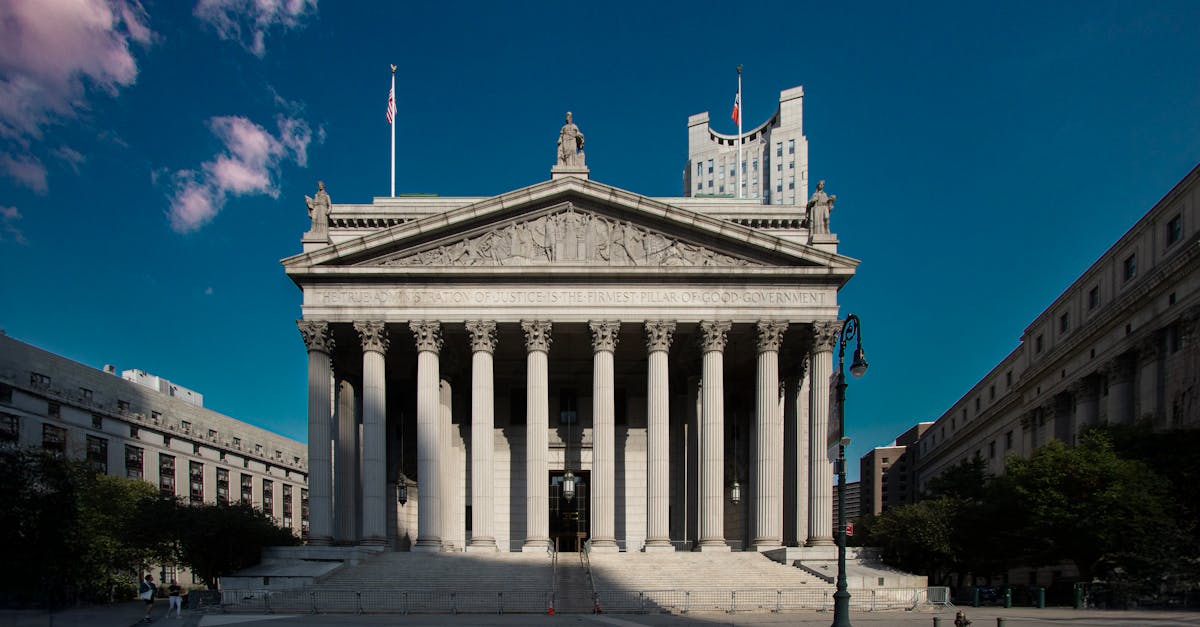
The U.S. Supreme Court heard arguments Tuesday on whether states can bar transgender girls from competing on girls' and women's sports teams. The cases come from Idaho and West Virginia, where lower courts blocked the laws for violating civil rights protections. States argue the bans ensure fair play based on biology, while challengers say they discriminate against transgender athletes.
Background
State laws restricting transgender athletes started appearing a few years ago. West Virginia passed one of the first in 2021. It says only athletes born female can compete on female teams in public schools. Idaho enacted a similar law around the same time. Both target K-12 and college sports.
These measures spread quickly. By now, 27 states have such bans in place or moving forward. The other 21 states, including California and New York, allow transgender athletes to join teams matching their gender identity. Groups like the U.S. Olympic Committee and the NCAA also restrict transgender women from women's teams in many cases.
The bans grew out of concerns that transgender girls, who went through male puberty, hold physical advantages in speed, strength, and size over cisgender girls. States say this makes competition unfair and unsafe. Supporters point to differences that hormone treatments do not fully erase.
On the other side, transgender athletes and their lawyers argue the laws shut them out entirely. They say no one checks medical records or hormone levels, as some sports bodies do. Instead, the rules rely on birth certificates. This setup, they claim, treats transgender girls differently from everyone else.
The legal fight reached the Supreme Court after federal appeals courts stepped in. In Idaho, a district judge and the 9th Circuit Court of Appeals ruled the ban likely breaks the Constitution's Equal Protection Clause and Title IX, a federal law against sex discrimination in education. Title IX opened doors for girls in sports decades ago.
In West Virginia, the 4th Circuit Court of Appeals said the law violates Title IX by discriminating based on gender identity, which counts as sex discrimination. The Supreme Court had earlier blocked enforcement against one athlete there, with Justices Samuel Alito and Clarence Thomas dissenting.
Key Details
The cases center on two athletes. Becky Pepper-Jackson, a high school sophomore from Bridgeport, West Virginia, throws discus and shot put. She sued in 2021 after the state's law kept her off the girls' track team. She is the only known openly transgender athlete competing in any sport in West Virginia.
Lindsay Hecox, a college student in Idaho, challenged the ban in 2020. She wanted to run track and cross-country but could not try out. Last year, she asked to drop her case, saying she no longer competes and wants to avoid attention. Idaho officials refused, keeping the case alive to settle the law's fate.
During oral arguments, justices asked pointed questions. Conservative justices like Neil Gorsuch and Brett Kavanaugh probed how to apply the bans fairly. Gorsuch wondered what counts as straightforward after hours of debate. Kavanaugh noted half the states allow transgender girls in girls' sports and half do not. He questioned if the court should set a nationwide rule.
Liberal justices focused on the specific athletes. They asked if the court can rule on advantages for all transgender women when these two do not show clear edges. States replied that biology matters more than identity. West Virginia Attorney General John McCuskey said the line must come from physical traits set at birth.
Courtroom Exchanges
Lawyers debated hormone suppression and age limits. States said puberty blockers and hormones do not level the field completely. The Trump administration filed a brief supporting the bans. It argues sex-separated sports rest on real physiological differences unrelated to gender identity.
Transgender side lawyers said the laws exclude based on status, not advantages. They called the bans absurd in scope, blocking all transgender girls no matter their records.
"Is it legal and constitutional for states to delineate their athletic playing fields based on the immutable physical characteristics that people have that are associated with their sex that's assigned at birth?" – West Virginia Attorney General John McCuskey
McCuskey added that Pepper-Jackson remains stronger and faster than her competitors. He suggested she compete on boys' teams. Lawyers for athletes countered that everyone feels left out when barred from teams. They urged equal access under Title IX.
Public opinion leans toward restrictions. A 2025 Gallup survey found 69% of Americans believe transgender girls should play only on boys' teams.
What This Means
A Supreme Court ruling could reshape sports for about 122,000 transgender teens in high school nationwide. If the court sides with states, bans in 27 places take effect or stay. This upholds arguments that biology trumps identity for fairness.
If the court agrees with lower rulings, the laws fall. Transgender girls could compete on girls' teams in those states, subject to other rules. Schools and leagues might need new policies on hormones or testing.
The decision sets precedent for Title IX and equal protection claims. It follows last year's ruling upholding Tennessee's limits on gender-affirming care for minors. There, the court gave states room on health issues with uncertain science. States here make similar pleas: let lawmakers handle sports debates.
Leagues beyond schools watch closely. The NCAA and Olympic groups already limit transgender women. A ruling might push uniform standards or spark more state laws.
Families feel the stakes. Pepper-Jackson wants to throw with her teammates. Hecox stepped back but sees broader effects. Parents in ban states weigh options like private teams or no sports. In allowing states, kids travel or quit.
The court aims to decide by summer. Until then, most bans stay blocked. Lower courts keep sorting cases. Sports seasons go on with injunctions in place for some athletes.
Lawyers express mixed hopes. One from Lambda Legal, an LGBTQ group, sees optimism from past rulings. Others brace for limits on transgender rights in public life. States stress protecting girls' chances built over years.