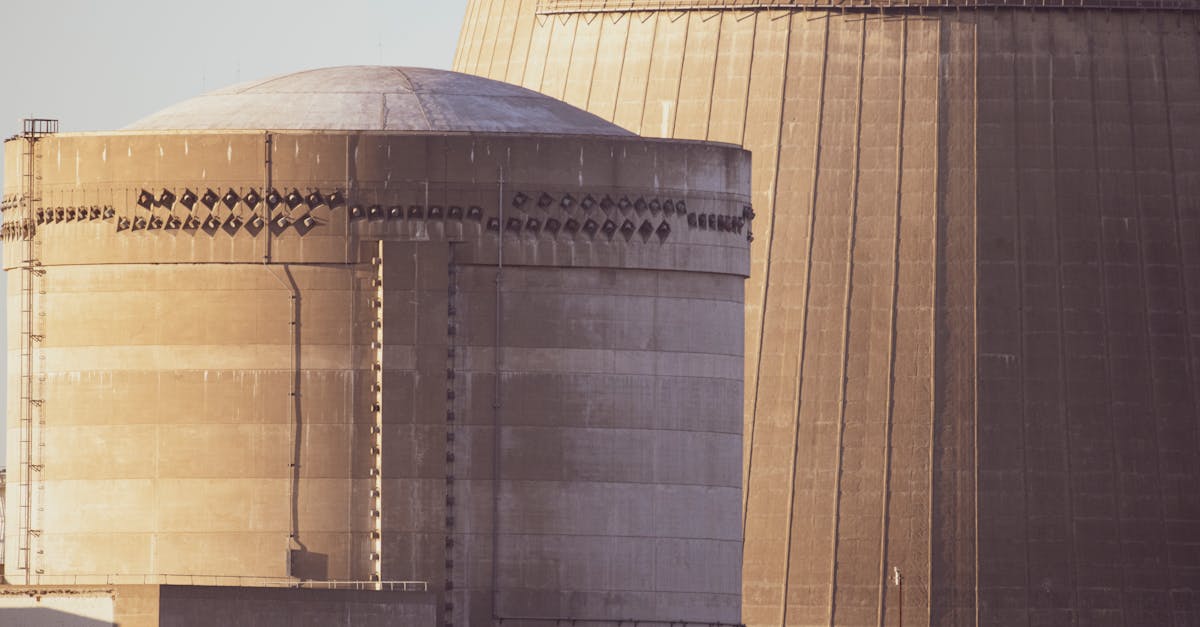
The Trump administration has exempted a new class of nuclear reactors from federal environmental reviews. The Department of Energy made the change to speed up building experimental reactors, with a goal of having at least three reach operation by July 4, 2026. This follows secret updates to safety rules that cut back on security measures and protections for workers and the environment.
Background
The push for these changes started with executive orders from President Trump. One order, signed last year, set up a pilot program at the Department of Energy to build and run reactors outside government labs. It called for approving at least three reactors and getting them to the point of nuclear reaction by Independence Day this year. Another order pushed for faster reviews under the National Environmental Policy Act, or NEPA, which normally requires agencies to study a project's effects on air, water, land, and wildlife before approving it.
The Department of Energy handles a small number of reactors on federal land, separate from the main Nuclear Regulatory Commission, which oversees most commercial plants. Under the new program, the department's rules now apply to private reactors built under its contracts. Officials at Idaho National Laboratory, a key site for testing, have been rewriting the department's operating orders to make things simpler.
These orders cover everything from safety systems to site security and how to handle accidents. Over the fall and winter, the department updated more than a dozen of them without public notice. The updates cut hundreds of pages of requirements. They also changed rules on radiation exposure for workers and protections for groundwater.
Key Details
The latest step is a categorical exclusion under NEPA for what the department calls advanced nuclear reactors. This means no environmental impact statement and no shorter environmental assessment. The department defines an advanced reactor as one it deems safe, so builders do not need to check for effects on the environment upfront.
If someone wants an exception, they must prove serious environmental harm themselves. The department made this change without prior notice and only allows comments now, after the decision.
Changes to Safety and Security Rules
The rewritten orders reduce security needs at reactor sites. They loosen rules on shielding, like using less concrete around reactors. Workers can now face higher radiation doses before an official investigation starts. Record-keeping requirements have been cut back.
Rules on releasing radioactive material have softened too. Old orders banned discharges into public sewers, with few exceptions. New ones say such releases should be avoided. The same shift applies to groundwater protections, changing must-do language to suggestions.
One removed rule was ALARA, which stands for as low as reasonably achievable radiation exposure. Without it, builders might save on costs by using thinner shielding and longer worker shifts.
"Our job is to make sure that the government is no longer a barrier," said Seth Cohen, a lawyer at the Department of Energy.
The department says it still follows high safety standards and meets Environmental Protection Agency rules. It claims the public and environment remain protected from undue risks.
The pilot program targets three reactors by mid-2026. Sites include Idaho National Laboratory, where past work has included ecosystem protection efforts. The changes apply to reactors on contracts with the department, even off government land.
What This Means
These steps aim to get new reactors built faster. Supporters say it cuts costs and helps meet energy needs with cleaner power than fossil fuels. Lower construction expenses could come from less shielding and streamlined operations.
The lack of early public input may lead to court challenges later. Groups worried about safety point out the shifts happened without discussion. Past nuclear sites like Idaho have seen leaks and contamination, so weaker groundwater rules draw attention.
Industry experts note the Nuclear Regulatory Commission stays strict for most plants. But for these pilot reactors under Department of Energy rules, oversight comes from lab staff in Idaho. The department's faster path skips the commission's public process.
Builders now face fewer hurdles to start work. The categorical exclusion covers permits, approvals, and site use. For reactors on existing sites, even less review applies.
Workers at these plants may handle more radiation under the new thresholds. Security cuts could affect how sites protect against threats. Environmental groups say the word changes, from prohibited to should avoid, weaken real protections.
The department plans to use this model for more reactors if the pilot works. By July 2026, the three test reactors could show if the new rules deliver on time and safety. Any problems might slow future projects or spark demands for reversals.
Lawyers who know nuclear rules say proving harm for an exception puts the burden on the public, not the builders. This flips the usual process where agencies check first.
The changes fit a broader effort to reform energy rules. Executive orders target barriers to nuclear growth, seen as key for power and security. With demand rising for nuclear fuel, the domestic supply chain gets a boost too.