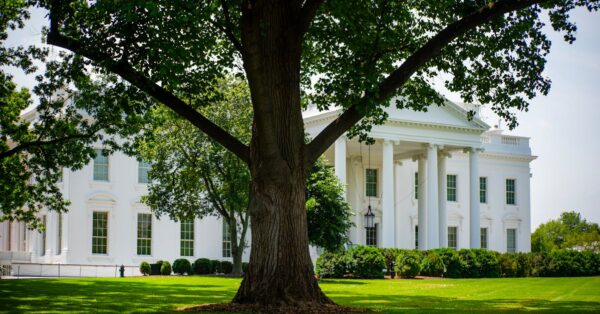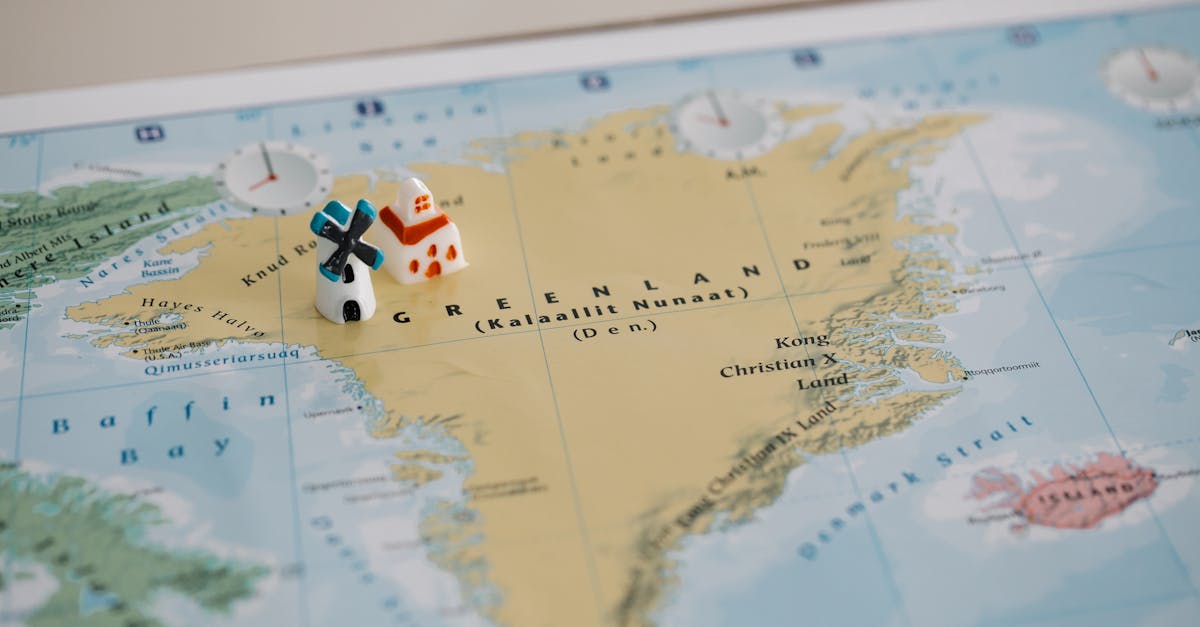
President Donald Trump announced on January 21, 2026, at the World Economic Forum in Davos, Switzerland, that he reached a 'framework of a future deal' on Greenland with NATO Secretary General Mark Rutte. This came after weeks of threats to take the island from Denmark by force or tariffs. The shift ended talk of invasion and trade penalties on several European countries.
Background
Greenland, the world's largest island, sits between the Arctic Ocean and the Atlantic. It has been part of the Kingdom of Denmark for centuries, with its own local government handling most internal matters. Home to about 56,000 people, mostly Inuit, the island holds vast reserves of rare minerals like rare earth elements, which are key for electronics and green energy tech.
Talk of US interest in Greenland goes back years. In 2019, Trump first floated the idea of buying it from Denmark, calling it a spot needed for national security. Denmark said no, and the matter faded. But early this year, after US military actions in Venezuela, things heated up again. White House officials started claiming the US had a right to the island. Maps showing Greenland under the US flag popped up online, sparking anger around the world.
Trump ramped up pressure in mid-January. He ordered military planners to draw up invasion options, though top generals pushed back. He posted online demanding NATO tell Denmark to leave Greenland right away. Trump mocked Denmark's defenses there, saying they amounted to just a couple of dogsleds. He tied Greenland to bigger issues, like keeping NATO strong or handling global security.
Denmark and Greenland leaders stayed steady. They made clear the island is not for sale. Local officials in Nuuk, Greenland's capital, said their people decide their future. Protests broke out in Copenhagen and on the island against any outside grab.
Key Details
Trump's threats grew sharp. He spoke of taking Greenland 'the hard way' if Denmark would not sell. He said owning it fully was needed for success, not just basing rights. On January 19 and 20, he refused to rule out troops landing there. He also planned tariffs: 10% on imports from Denmark, Norway, Sweden, France, Germany, the UK, Netherlands, and Finland starting February 1, rising to 25% by June. These countries had joined exercises near Greenland, which Trump called a threat to world safety.
The Davos Turnaround
At Davos on January 21, Trump gave a speech repeating his push for Greenland. He made claims that it was already US-linked, ignoring its long Danish and Nordic ties. Hours later, he met Rutte. Trump then said no military action would happen. He dropped the tariff plans too.
The framework deal focuses on two main areas: military cooperation and minerals. Trump linked it to his Golden Dome project, a missile defense idea. It also covers joint work on mining Greenland's resources with the US and European partners. NATO put out a statement backing the framework, but gave no full details.
"It's the ultimate long-term deal. It puts everybody in a really good position especially as it pertains to security and minerals and everything else."
— President Donald Trump, speaking after the announcement
Rutte told reporters the talks did not cover Danish control of Greenland. He stressed joint steps on Arctic changes. EU officials want more info. One lawmaker said nobody knows the exact terms yet.
Denmark welcomed the pullback but repeated its line: sovereignty stays with them and Greenlanders. Greenland's government said any deal must respect their say.
What This Means
Markets reacted fast. Stocks rose as tariff fears faded, easing worries for EU trade. The US avoids a split with NATO allies at a tense time. Arctic security stays shared, which helps watch Russian moves up north.
For Greenland, minerals are a big chance. The island wants to grow its economy without losing control. US firms eye those deposits to cut reliance on China, which leads in rare earths now. A deal could bring investment, jobs, and tech, but locals worry about environment and land rights.
Denmark faces less pressure short-term. Its economy dodged tariff hits, and NATO ties hold. But questions linger on how much access the US might get to bases or mines. Trump called it a win for all, putting talks ahead of force.
Europe watches close. Leaders from hit countries sigh relief, but some see the framework as vague. They push for clear rules on Arctic resources and military sites. Greenlanders keep focus on self-rule amid the big-power talks.
The path forward points to more meetings. A signing on minerals could come soon. Military pacts might expand US presence without ownership change. Denmark says negotiations stay open only on cooperation, not land sales. Trump aides hint at long-term gains in security and supply chains.
This eases the crisis that built over weeks. No invasion plans move ahead. Tariffs stay off. But Greenland stays Danish for now, with new talks shaping its role in US-Europe plans.