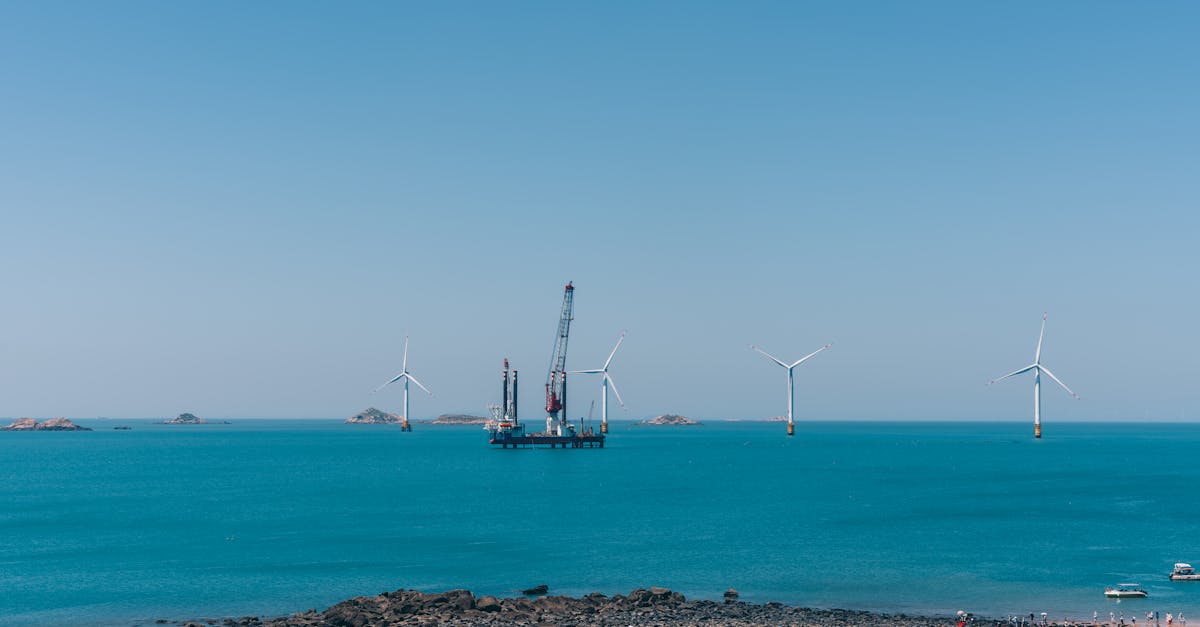
The Trump administration has paused construction on five major offshore wind projects off the US East Coast. The Interior Department made the move on December 22, 2025, saying it needs time to address national security risks from turbine interference with military radar systems. The halt affects projects that were already under way, and developers are pushing back, saying the government has not shared details on the problems.
Background
Offshore wind projects have grown fast in recent years along the East Coast. These farms use giant turbines in the ocean to make clean power for homes and businesses. By late 2025, five large ones were building: Vineyard Wind 1 off Massachusetts, Revolution Wind off Rhode Island, Coastal Virginia Offshore Wind off Virginia, Sunrise Wind off New York, and Empire Wind 1 also off New York.
President Trump took office again in January 2025. On his first day, he signed an order pulling back federal waters from new wind leases and telling agencies to hold off on approvals for wind projects. Courts stepped in soon after. One federal judge in early December ruled that the pause on new permits broke the law and ordered it lifted. But the administration kept going. It had already paused Empire Wind in April and Revolution Wind in August that year. Both stops ended later—one after a deal with New York on gas pipelines, the other after a judge ruled.
The projects got permits after years of reviews. Those checks included talks with the Defense Department about radar issues. Wind turbines can mess with radar by creating clutter—fake signals that hide real ones, like incoming missiles. This problem has been around for years. Back in 2006, groups sued the Pentagon over wind farms on land affecting radar. Sweden banned some offshore wind in the Baltic Sea last year for the same reason, saying it cut warning time for attacks from minutes to just 60 seconds.
Key Details
The five projects are at different stages. Revolution Wind is 80% done. It has 65 turbines, two substations, and cables, run by Denmark's Orsted. The company has put in about $5 billion and says each week of delay costs $15 million. Coastal Virginia Offshore Wind is the biggest, with 176 turbines set to run by late 2026. Dominion Energy runs it. Sunrise Wind sits 30 miles from Long Island and was due in 2027. Empire Wind 1 has room for 810 megawatts and also aimed for 2027. Vineyard Wind 1 rounds out the list.
The Interior Department says the pause lets them work with developers and states to check fixes. Interior Secretary Doug Burgum called the projects expensive, unreliable, and heavily backed by tax money. He noted one natural gas pipeline matches the power of all five combined. Federal tax breaks for renewables hit $50.8 billion in 2025 alone, more than for fossil fuels over 30 years.
Court Fights and Developer Pushback
Developers sued right away. They said billions were already spent, and stopping work now hurts because special ships for turbines are hard to line up. Judges have sided with them so far. One Trump-appointed judge, Carl Nichols, said the government did not answer key points from Empire Wind's team. He noted national security matters a lot, but the proof of immediate risk was not there.
Another judge said the same for a different project. A hearing for a fourth is set for February 2. Representative Dan Goldman from New York wants a briefing on why Empire Wind 1 is a risk.
"Ordinarily a national security risk would weigh heavily in the government's favor, but the evidence does not demonstrate the security risk is so imminent that a stop-work order is necessary." – Judge Walker
Companies say radar worries were studied before permits. They want the classified reports the government mentions.
What This Means
The pause could last 90 days or longer for some projects. It hits jobs and power plans. Coastal Virginia was to power hundreds of thousands of homes. Revolution Wind targets Rhode Island and others. If fixed, turbines might change design or location to cut radar clutter. Past cases show deals can restart work, like with New York on gas lines.
A small wind farm off Rhode Island from 2016 keeps running—it powers Block Island and was not hit. Broader effects touch energy costs and goals for clean power. States like New York and Massachusetts pushed these projects for jobs and less fossil fuel use. Developers warn permanent stops could cost billions more in breakup fees.
Law experts say the government must explain big moves like this under the law. Courts have called past actions weak on reasons. If pauses lift, work resumes. If not, more suits come. One gas pipeline option matches the output, as Burgum said, shifting eyes to other energy sources. Developers keep building supply chains here, but delays test that.
The fight shows tension between clean energy push and security needs. East Coast states watch close as they plan power from wind. Any fixes must balance radar protection with project timelines. Workers on paused sites wait, vessels sit idle, and talks between agencies, firms, and states go on. The outcome shapes offshore wind's role in US energy for years.