President Donald Trump told Iranians to keep protesting on Tuesday as anti-government unrest entered its 16th day with a reported death toll of at least 2,000 people. Speaking through social media from the White House, Trump said help is on the way while canceling all meetings with Iranian officials until the killing stops. The protests, which started over economic woes in late December, have spread to 187 cities across all 31 provinces.
Background
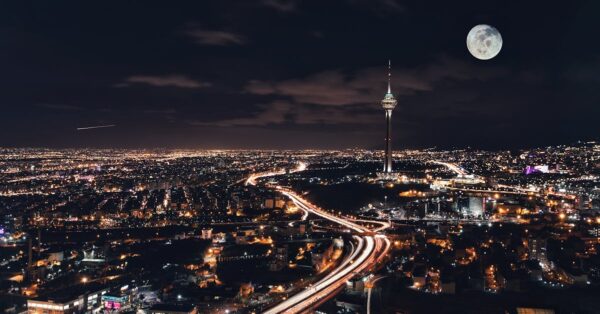
The trouble in Iran began in late December when people took to the streets in downtown Tehran to complain about rising prices and the falling value of their money, the rial. Inflation has hit hard, making everyday items too expensive for many families. What started as marches about money soon turned into open anger at the government led by Supreme Leader Ayatollah Ali Khamenei.
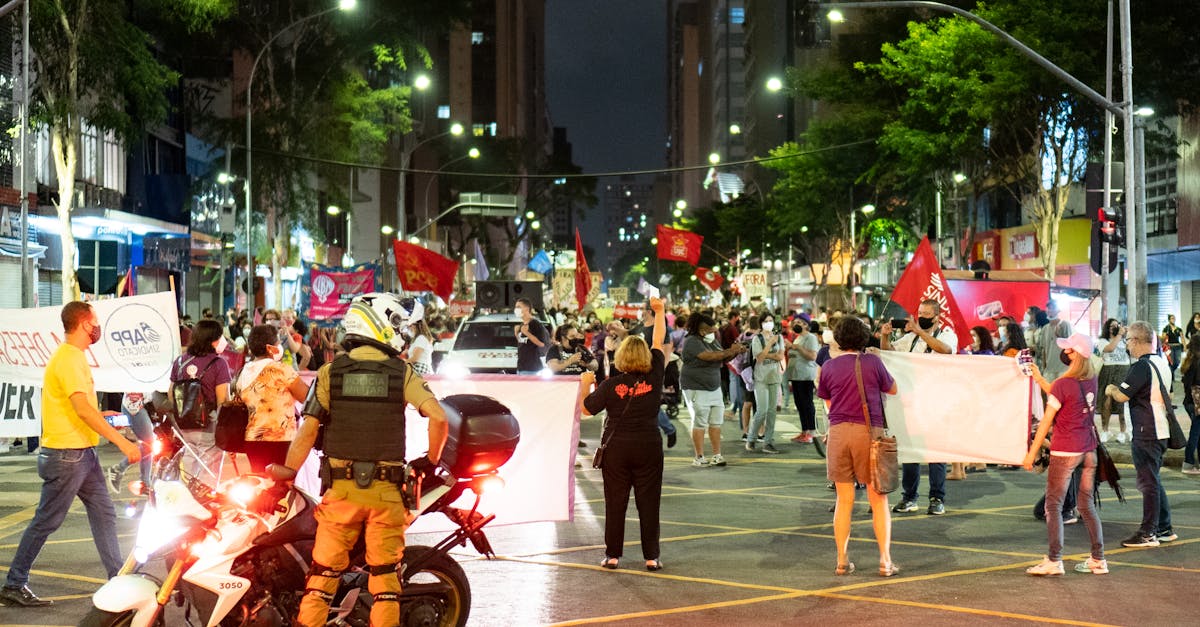
Protests grew fast. By Tuesday, they had reached 606 locations in every part of the country. Groups tracking the unrest say security forces have killed at least 2,000 people, including nine children. More than 10,721 others have been arrested. Iranian state media claims over 100 security members died too, along with 133 military personnel and one prosecutor.
Iran's leaders blame outsiders. They point to the United States and Israel as backers of what they call rioters and terrorists. Foreign Minister Abbas Araghchi told diplomats in Tehran on Monday that the protests amount to a terrorist war. State TV showed pro-government crowds in Tehran's Revolution Square waving flags and calling it an uprising against American and Zionist terrorism.
The United Nations got involved too. High Commissioner for Human Rights Volker Turk said on Tuesday he is horrified by the violence against protesters. He called on Iran to stop all repression, free those arrested, and turn the internet back on fully.
Exiled Iranian figures have joined the call for change. Reza Pahlavi, the crown prince living in the U.S., urged people to flood the streets and overwhelm security forces. He also asked Trump to step in to back the protesters.
Key Details
Trump jumped into the story with strong words on social media Tuesday.
"Iranian Patriots, KEEP PROTESTING – TAKE OVER YOUR INSTITUTIONS!!! Save the names of the killers and abusers. They will pay a big price. I have cancelled all meetings with Iranian Officials until the senseless killing of protesters STOPS. HELP IS ON ITS WAY."
- President Donald Trump
On Monday, he added a new tariff. Any country doing business with Iran now faces a 25% tax on its trade with the U.S. Trump called it final. China, a big trading partner for Iran, pushed back. Their foreign ministry spokesperson said no one wins a tariff war and they back Iran's stability. They oppose meddling in other nations' affairs or threats of force.
Trump's Team Weighs Options
Trump's national security advisors met at the White House on Tuesday to talk about what to do next. Options on the table include more sanctions on top Iranian leaders, or hitting their energy and banking sectors. White House press secretary Karoline Leavitt told reporters Monday that the president keeps all choices open, including air strikes. She stressed diplomacy comes first.
Protests keep going despite the crackdown. People demand an end to the current leaders. Some dissidents abroad say it's time to overthrow the government. Iran's officials say they hear the economic complaints but insist foreign hands are stirring the pot.
HRANA, a U.S.-based group watching human rights, shared the latest numbers Tuesday. They count deaths, arrests, and places hit by protests. State media paints a different picture, focusing on losses among their own forces and loyalty rallies.
What This Means
Trump's words and moves put new pressure on Iran. The tariff hits trade partners like China and could squeeze Iran's economy more. Canceling talks shows the U.S. won't deal as usual while deaths mount. His promise of help raises questions about what that means—sanctions, support for protesters, or something bigger like military steps.
For Iranians on the streets, Trump's support might boost their spirits. Protesters face guns and arrests, but hearing a world leader cheer them on could keep them going. Exiled voices like Reza Pahlavi say time is short and numbers matter—more people in the streets might tip the balance.
Iran's warnings of war readiness add tension. Officials say they are prepared if things turn hot. The U.N.'s call for calm highlights global worry over the bloodshed. Internet blackouts make it hard to know full details, but reports from inside paint a picture of widespread anger and a government fighting to hold on.
The U.S. team discussing options means decisions could come soon. Tariffs start right away, biting into Iran's oil sales and other business. Protests show no sign of stopping, with economic pain fueling the fire. Trump's role keeps eyes on Washington as the world watches Tehran.
This standoff tests leaders on both sides. Iran's streets stay alive with chants against the regime. Trump's posts reach millions, signaling U.S. backing. As deaths climb past 2,000 and arrests top 10,000, the path forward stays unclear. Security clashes continue, loyalty shows push back, and global players pick sides in words if not actions.
Economic roots run deep. The rial's drop makes food and fuel scarce for ordinary folks. Protests hit factories, schools, and neighborhoods, not just big cities. Khamenei's team offers talks on money issues but cracks down hard on any anti-government talk.
Trump's tariff aims to isolate Iran further. Countries trading with Tehran now pay at the U.S. border. China's response shows cracks in that plan—they won't back down easy. Other nations watch, weighing costs of picking teams.
White House meetings could lead to fresh sanctions targeting leaders' wallets or Iran's oil cash. Banking hits would hurt daily life more. Military talk, even as an option, ramps up fears of wider conflict. Leavitt's words leave the door open, keeping foes guessing.
Protesters pay the highest price. Kids among the dead stir outrage. Arrests fill jails, with reports of beatings and worse. Yet marches go on, from small towns to Tehran squares. Dissidents say sheer crowds can beat armed forces.
Iran's counter-rallies show split views. Not everyone wants change—some back the regime against outside meddling. State TV frames it as defense of the nation. That narrative holds for loyalists but rings hollow for those hit by poverty.
Trump's direct call to take institutions marks a bold line. Past U.S. leaders spoke out on Iran rights but rarely this plain. His 'help is on the way' echoes in protest chants, per reports. What form that help takes shapes the days ahead.