Uganda has started counting votes in its presidential election after polls closed late on January 15, 2026. The race pits long-time President Yoweri Museveni against opposition leader Bobi Wine, with the opposition already raising claims of vote rigging and irregularities at polling stations across the country.
Background
Yoweri Museveni has led Uganda since 1986, making this his bid for a seventh term in office. At 81 years old, he faces Bobi Wine, whose real name is Robert Kyagulanyi Ssentamu, a former music star turned politician. Bobi Wine, 44, leads the National Unity Platform party and drew huge crowds from young voters tired of Museveni's long rule. This election marks a rematch from 2021, when Museveni won with 59% of the vote and Bobi Wine took 35%, though the opposition rejected those results over claims of fraud.
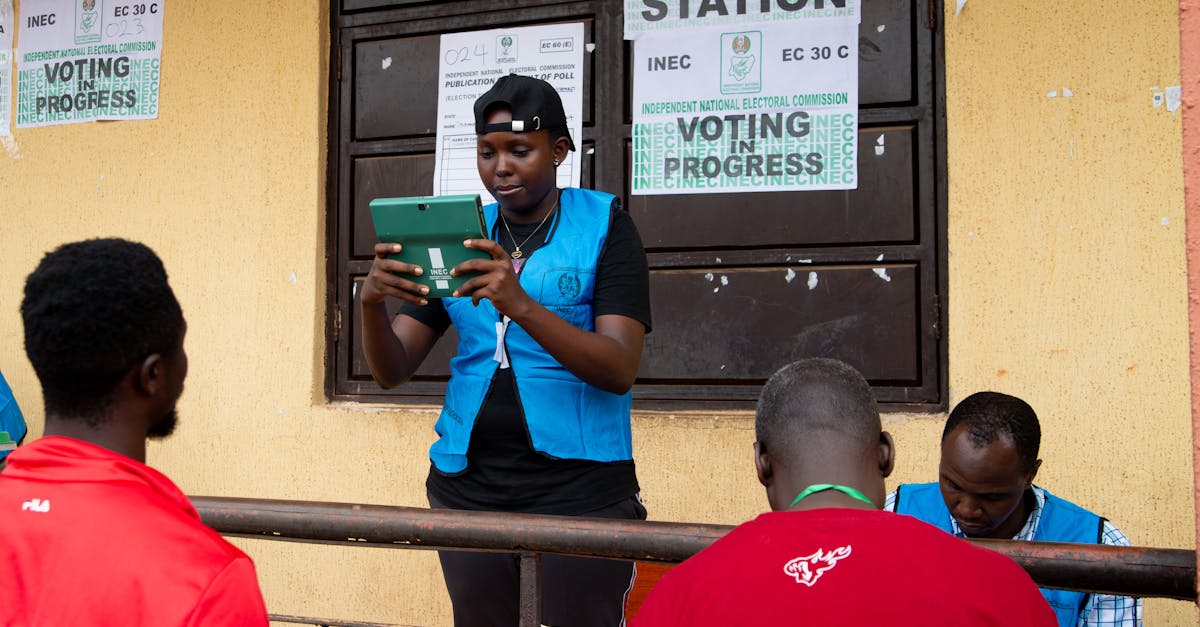
The country of 49 million people held general elections on January 15 to choose both the president and members of the 529-seat parliament. Voting began at 7 a.m. and was set to end at 4 p.m., but many stations stayed open later due to long lines. Turnout appeared high in cities like Kampala, where excitement ran high among first-time voters. Rural areas saw quieter participation, with some reports of low numbers in Museveni's strongholds.
Museveni, from the National Resistance Movement party, campaigned on stability and economic growth. He pointed to infrastructure projects like new roads and power plants built during his time in power. Bobi Wine focused on change, jobs for youth, and an end to corruption. His rallies filled stadiums, with supporters chanting songs from his music days. Other candidates included retired General Mugisha Muntu from the Alliance for National Transformation, Nandala Mafabi from the Forum for Democratic Change, and a few independents, but the main fight stayed between the two big names.
Tensions built for months before voting day. Security forces arrested dozens of opposition members in late 2025. In December, Bobi Wine and his team faced beatings by police during a rally in northern Uganda. Rights groups noted over 100 cases of tear gas use and detentions at opposition events. The government said these steps kept order against rowdy crowds.
Key Details
Voting day brought familiar problems. An internet blackout hit mobile networks from early morning, ordered by the Uganda Communications Commission to stop what they called misinformation and fraud. People could not share photos or updates from polls, leaving families in the dark about lines or issues. Power outages delayed voting in eastern districts, and some stations ran out of ballot papers by midday.
Security and Delays at Polls
Soldiers and police stood watch at most stations, especially in Kampala neighborhoods like Kabalagala. Witnesses saw long queues stretching blocks, with voters waiting hours under the sun. In opposition areas, agents reported missing voter registers and ballot boxes arriving late. National Resistance Movement officials denied problems, saying delays came from high turnout.
Opposition monitors claimed security blocked their access to some rural sites. In Wakiso district near Kampala, Bobi Wine supporters said police chased away their poll watchers. By evening, the National Unity Platform said they had evidence of stuffed ballots in at least 50 stations. Counting began right after polls closed, with tally sheets sent to centers in Kampala for official totals.
The Electoral Commission runs the process under a first-past-the-post system for parliament and a two-round setup for president, needing over 50% to win outright. Results could come in days, but disputes might drag them out. In past elections, the top court reviewed petitions, though changes were rare.
"We have seen clear rigging today. Ballot stuffing, missing names, and armed men chasing our people. This is not a fair vote." – Bobi Wine, opposition leader
International observers from the African Union and European Union watched key sites. They noted the internet cut made their work harder but found no widespread violence so far. Local media reported calm in most places, though scuffles broke out in a few city spots.
Parliament races filled 353 district seats, 146 for women, and 30 special ones for groups like youth and the military. Early signs show Museveni's party holding ground in rural parliament votes, while Bobi Wine gained in urban areas.
What This Means
A Museveni win would extend his rule to 45 years, cementing his place as Africa's longest-serving leader after recent changes in neighbors like Rwanda. It could mean more focus on security and big projects, but youth frustration might grow if jobs stay scarce. Bobi Wine's strong showing, even in loss, signals a shift, with his base of under-30 voters now over half the population.
If results split close, a runoff could follow in February, heightening tensions. Opposition plans legal fights in the Supreme Court, like in 2021, though they pulled that case later. Street protests loom if fraud claims stick, recalling deadly clashes after past votes. Police prepared with extra troops in cities.
Economically, Uganda pushes oil exports soon, which Museveni ties to growth. Instability could scare investors from fields in the west. Regional ties matter too, with Uganda in East African trade blocs and peacekeeping in Congo. A smooth count keeps allies happy; chaos draws criticism from the West and UN.
For everyday Ugandans, the vote decides paths on health, schools, and prices. Inflation hit food costs last year, and many hope the winner tackles it. Women candidates pushed for more seats, highlighting needs in farming areas. Youth groups watched special parliament spots, aiming for voices on unemployment.
As numbers roll in, Kampala stays on edge. Police patrol nights, and opposition holds vigils for transparency. The coming days will show if Uganda's democracy bends or holds under pressure from one man's long grip on power.