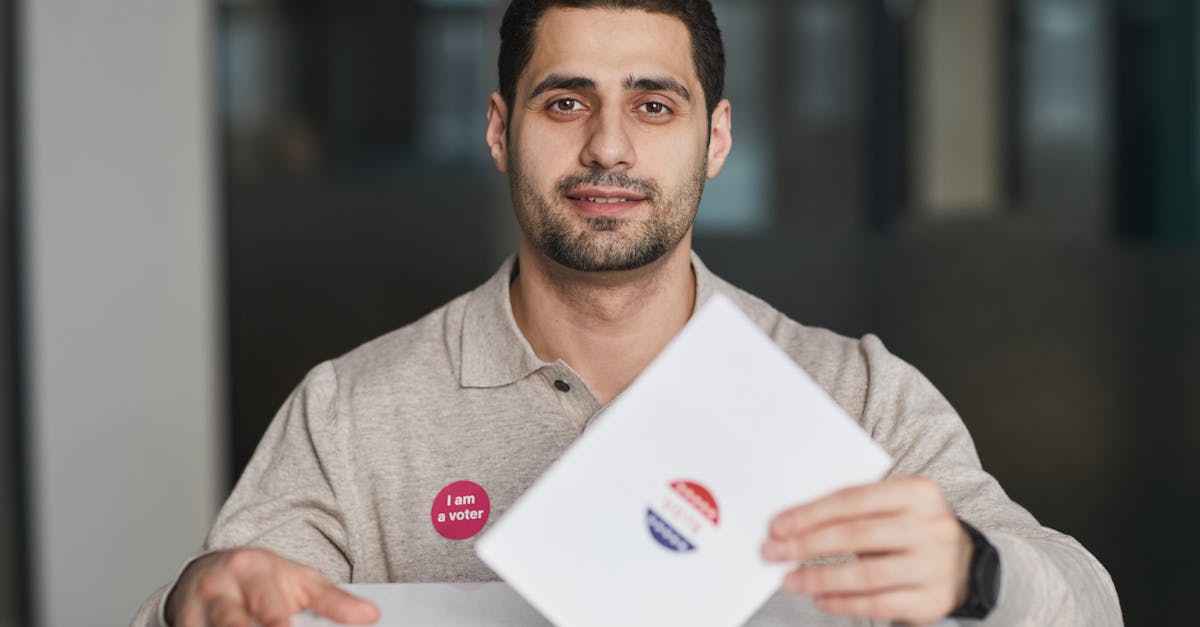
Voters across Uganda waited for hours on Thursday as polling stations stayed closed well past opening time. Technical problems with machines that check voter identities caused the delays, on top of a government-ordered internet shutdown that began two days earlier. The election pits long-time President Yoweri Museveni against opposition leader Bobi Wine in a high-stakes contest for the country's leadership.
Background
Uganda has seen the same faces in power for decades. Yoweri Museveni, now 81 years old, first took office in 1986 after years of fighting in the bush wars that tore the country apart. He has won every election since then, often amid complaints of unfair tactics. This time marks his bid for a seventh term. His main challenger is Bobi Wine, a 43-year-old former musician who rose from the poor neighborhoods of Kampala, the capital. Wine calls himself the 'ghetto president' because of his support from city slums where many feel left behind.
The race builds on their clash five years ago, when Wine also ran against Museveni. Back then, similar issues arose, with arrests of opposition supporters and limits on gatherings. Supporters of Museveni point to the peace he brought after years of chaos following independence in 1962. The country saw dictators and civil wars that killed thousands. Under Museveni, the economy grew fast in places, with roads built and schools opened. But scandals over stolen public money have eaten away at those gains, leaving many families still struggling.
Bobi Wine entered politics as a voice for the young and poor. He won a seat in parliament years ago and quickly became a thorn in the government's side. His rallies draw huge crowds, especially in Kampala's crowded streets. Ahead of this vote, he wore a bulletproof vest at events, calling the process a fight against a military ruler. His team says the government plans to fix the results, and they promise street action if that happens.
Another opposition name, Kizza Besigye, has challenged Museveni four times before. He was taken from Kenya last year and now faces a treason case in a military court. These events set the stage for a vote filled with tension from the start.
Key Details
Polls were set to open at 7 a.m., but in many spots, nothing happened for hours. Biometric machines, which scan fingerprints or faces to confirm voters, broke down everywhere. In Kampala and the eastern city of Jinja, people stood in lines under the sun, growing angry as time passed. Some stations switched to paper lists, but ballot boxes arrived late too. Even Museveni ran into trouble at his polling place. He tried his thumb, then his other thumb, but the machine rejected both. It finally worked with a face scan.
Internet Shutdown Adds to Problems
The government cut internet access on Tuesday, breaking a string of promises to keep it on. Officials said it stopped false news and calls for trouble. But voters and observers blame it for the machine failures, since the devices need online links. In areas loyal to the ruling party and opposition strongholds alike, the issues hit hard. One ruling party worker said off the record that machines just would not start, unsure if the blackout caused it.
Security forces filled the streets in big numbers. Police told people the vote day gives no excuse for crimes, eyeing protests like those in nearby Kenya and Tanzania. Journalists faced stops and checks, and ten groups watching the vote lost their licenses this week. Hundreds of Wine's backers landed in jail before polls opened.
At one station outside Kampala, voting kicked off four hours late. A young woman named Respy said the delays felt like a plan to wear people out and send them home empty-handed.
"Everything they are doing is a sham and it is deliberate," said David Lewis Rubongoya, secretary general of Bobi Wine's National Unity Platform. He added that no voting took place in much of Kampala that morning.
A Museveni fan waiting in line praised the calm and order. Angee Abraham Lincoln, 42, said peace and a strong party make the country better.
Wine spoke out the day before, warning of plans to rig votes, hurt people, and hide it all from the world.
Voter Reactions on the Ground
In central Kampala, under a giant Museveni poster, a 48-year-old worker named Katomgole Juma worried the mess would spark anger over the final count. People in line shared fears that low turnout from the waits could tip the scales. Some walked away tired, while others stayed put, determined to mark their paper.
What This Means
The delays cut the time people have to vote, since stations close at 4 p.m. In past elections, late starts led to claims of stolen wins. If machines keep failing, more will turn to manual checks, which take longer and open doors to errors or tricks. Opposition groups already call it a setup to keep turnout low in areas where Wine leads.
Museveni holds tight control over police, army, and state offices, which helps him in close races. Wine banks on big crowds of first-time voters under 35, who make up most of the country. But without internet, they cannot share word of problems or rally others fast.
World watchers see the blackout as a bad sign. It blocks real-time reports from inside Uganda. Past Western aid came Museveni's way for help in fights against terror, like sending troops to Somalia. But pressure grows over arrests and rights curbs.
If Wine cries foul, his vow of protests could light streets on fire, especially in Kampala's packed slums. Police stand ready to push back hard. Museveni voted for 'anyone who believes in Uganda and Africa,' keeping his choice close. Results may take days, with arguments sure to follow. The country waits to see if the vote changes the long hold on power or keeps the old guard in place.
For now, lines still form where they can. Voters push forward, hoping their mark counts in the end. The mess at the start raises big questions about trust in the process. Uganda's path ahead hangs on how the day ends and what comes after.