Voting got under way in Uganda's presidential election on Thursday amid long delays at polling stations and a government-ordered internet shutdown that started days earlier. In Kampala and other areas, people stood in lines for hours as voting materials arrived late and biometric machines failed to work. The election pits long-time President Yoweri Museveni against musician-turned-politician Robert Kyagulanyi, known as Bobi Wine, in a repeat of their 2021 contest.
Background
Uganda's presidential vote comes at a tense time for the East African nation of about 45 million people. Yoweri Museveni, now 81 years old, has led the country since 1986, making him one of Africa's longest-serving leaders. He took power after a bush war and has won every election since, often amid claims of vote rigging and opposition crackdowns. This is his bid to stay in office into a fifth decade.
Bobi Wine, 44, rose from music stardom to politics, pulling strong support from young voters in cities. In 2021, he got 35% of the vote to Museveni's 58%, the president's narrowest win ever. Turnout that year was 59%. Now, with 21.6 million registered voters, polls opened at 7 a.m. and are set to close at 4 p.m. Results must come within 48 hours under the law.
The lead-up saw rising worries. Security forces moved in heavily, with army units on streets this week. The government cut internet access on Tuesday, blaming it on risks of false news, vote fraud, and unrest. This hit daily life hard, blocking banking and news flow for millions. Civic groups faced bans too. One media watchdog shut its office after a ministry letter accused it of security threats.
Opposition leaders like Kizza Besigye, who ran four times before, sit in jail on treason charges from last year. Reports tell of a deadly rally in November where troops fired on crowds, killing one. Museveni told his last rally crowd to turn out big and promised to crush any troublemakers.
Key Details
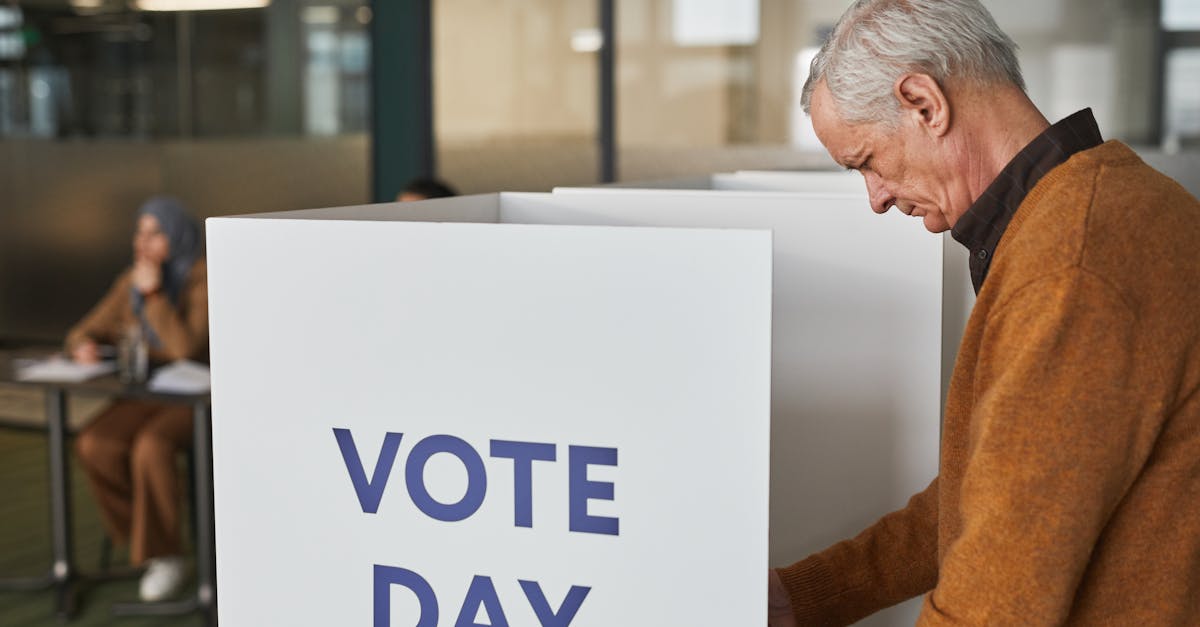
Delays hit hard from the start. In Kampala, crowds grew restless outside stations as supplies rolled in past opening time. Polling agents and voters waited in the sun, some for over three hours.
Problems at Polling Stations
Biometric voter ID machines broke down in many spots, slowing checks. Materials like ballot boxes and forms came late by truck. One agent in the capital called it frustrating.
“We can’t be standing here waiting to vote as if we have nothing else to do." – Umaru Mutyaba, polling agent
A lawmaker from the opposition, Ssemujju Nganda, waited three hours himself in Kira municipality. He said the hitches would hurt turnout in city areas where rivals to Museveni draw crowds.
“It’s going to be chaos,” he said.
Heavy police and army presence lined roads to stations. No big clashes broke out by midday, but tension hung in the air. The electoral commission chair called for calm late Wednesday.
“Let us keep the peace that we have. Let us be civil. Let us be courteous. Let’s be tolerant. Even if you know that this person does not support (your) candidate, please give him or her room or opportunity to go and exercise his or her constitutional right." – Simon Byabakama, electoral commission chairperson
Museveni faces seven challengers total, but Wine stands as the main threat. Rural areas, where Museveni holds sway, saw smoother starts in early reports. Urban spots like Kampala faced the worst jams.
The internet block locked out live updates and coordination for opposition watchers. Banks struggled, and mobile money services stalled, leaving some without cash to reach polls.
What This Means
These snags raise questions about the vote's fairness. Slow lines could mean fewer city voters cast ballots, tilting results toward Museveni, who banks on rural strength. Low turnout in past races has favored him.
No power shift has happened peacefully since Uganda left British rule 60 years ago. Critics point to Museveni's son leading the army as a sign of family grip tightening. Opposition eyes plans to guard against tampering, like station monitors.
A Wine win would mark huge change, led by youth tired of one-man rule. But hurdles stay high: past arrests, media curbs, and force against protests. The blackout echoes moves in other African votes to control info.
If results spark fights, it could unsettle the region. Neighbors watch close, as Uganda sits key for trade and stability. Voters lined up anyway, showing drive to have a say despite the mess. By evening, millions had passed through, but full counts will tell the story.