
UK Prime Minister Keir Starmer met Chinese President Xi Jinping in Beijing on Thursday to reset relations between their countries. This marked the first visit by a British prime minister in eight years. The leaders want to build stronger ties on trade, climate change, and global stability at a time when world events create uncertainty. Starmer brought more than 50 business executives to open doors for UK companies in China.
Background
Relations between the UK and China have been tense for years. Problems started with claims of Chinese spying in Britain. Tensions grew over China's backing of Russia in the Ukraine war. The crackdown on freedoms in Hong Kong, handed back to China in 1997, added fuel to the fire. These issues led to a chill in talks and cooperation.
Starmer took office in July 2024. He promised to turn Britain outward to the world. Events abroad affect life at home, from food prices to feelings of safety, he has said. His government faces pressure to grow the economy and ease costs for families. A trip to China fits this plan.
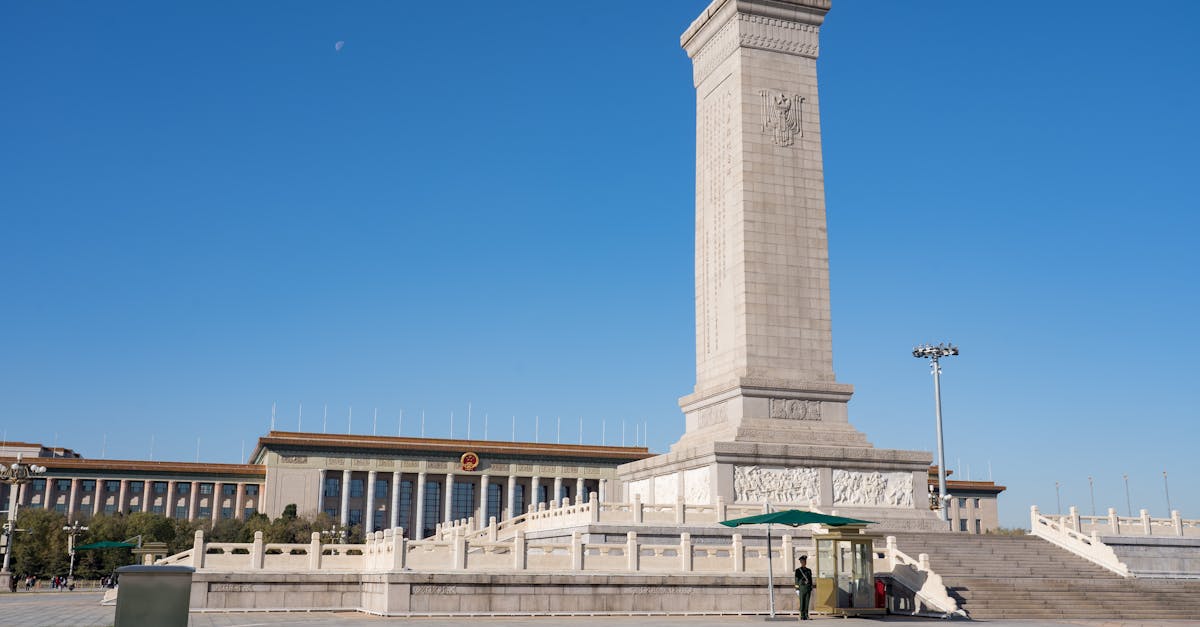
The meeting happened in the Great Hall of the People in central Beijing. Starmer arrived with business leaders and heads of cultural groups. Earlier that day, he met Zhao Leji, head of China's National People's Congress. Both sides expect to sign several agreements by day's end.
This visit comes as other leaders from US allies head to Beijing. South Korea, Canada, and Finland sent theirs this month. Germany's chancellor plans a trip next month. Changes in global trade, linked to US policies under President Trump, push countries to seek new deals.
Key Details
Starmer and Xi called for a comprehensive strategic partnership. They aim to deepen ties amid a complex world.
“I think that working together on issues like climate change, global stability during challenging times for the world is precisely what we should be doing as we build this relationship in the way that I’ve described.” – Keir Starmer
Starmer said it has been far too long since a UK leader came to China. He wants a more sophisticated relationship. This means finding spots to work together and talking openly about disagreements.
Xi noted past setbacks hurt both nations. He urged dialogue and cooperation to keep world peace.
“China-U.K. relations experienced setbacks in previous years, which was not in the interests of either country. In the current complex and ever-changing international situation, China and the U.K. need to strengthen dialogue and cooperation to maintain world peace and stability.” – Xi Jinping
A big step forward: The UK approved a large new Chinese embassy in London. This removed a roadblock but raised worries about spying and pressure on dissidents. Xi addressed criticism of such moves.
“Good things often come with difficulties. As long as it is the right thing to do in accordance with the fundamental interests of the country and its people, leaders will not shy away from difficulties and will forge ahead bravely.” – Xi Jinping
Trade and Business Focus
Trade tops the agenda. UK firms want more access to China's market. China sees chances to draw investment. Starmer's team pushes for deals in finance, tech, and green energy. Over 50 executives from top companies joined the trip. They held meetings to seal partnerships.
Cultural ties matter too. Groups came to expand exchanges in arts and education. Both sides see this as a way to build trust.
Tough Issues on the Table
Spying and national security remain key concerns. The UK balances trade benefits against risks. Human rights come up, including Hong Kong and Uyghurs in Xinjiang. Ukraine is another point: The UK wants China to use its sway over Russia to end the war.
China may raise Taiwan, which it claims as its own. It asks the West to stay out. A detained British citizen in China could surface in talks.
What This Means
A stronger UK-China link could help Britain's economy. More trade means jobs and lower prices for goods. British companies gain from China's huge market. China gets steady investment amid US tensions.
Global stability benefits from cooperation on climate. Both nations push clean energy and cut emissions. Joint work on pandemics and supply chains steadies world trade.
Risks linger. Critics in the UK fear closer ties weaken security. Spying claims and rights issues could spark backlash at home. Starmer must show he protects national interests.
For China, the partnership boosts its image. It counters views of it as a threat. Deals with Europe like the UK help amid US pressure.
Business leaders see upsides. Easier visas or market access would speed deals. Agreements signed today lay groundwork for more visits and pacts.
The world watches. With Trump reshaping alliances, Europe leans toward its own path. UK-China talks set a tone for others. Steady progress here could ease broader tensions.
Starmer heads home with potential wins. Signed deals and warm words signal a thaw. But real change needs time and follow-through. Both leaders know difficulties ahead. They bet on long-term gains over short-term fights.