The United States has given more information on its accusation that China carried out a secret nuclear weapons test in 2020. A top State Department official said the test happened on June 22 at China's Lop Nur site in Xinjiang. This comes as the US prepares to end its own long pause on nuclear testing to keep pace with China and Russia.
Background
Nuclear testing has been a tense issue for decades. Most countries stopped full tests after the 1996 Comprehensive Nuclear-Test-Ban Treaty, though it never fully took effect. The US has not done a full nuclear test since 1992. China signed the treaty and said it stopped testing in 1996. Russia did the same.
Tensions rose recently with the end of the New START treaty on February 5, 2026. This was the last big agreement between the US and Russia to limit nuclear warheads. President Donald Trump let it expire. He wants a new deal that brings in China too. Without it, there are no limits on deployed nuclear weapons between these powers.
China has grown its nuclear arsenal in recent years. Satellite photos show new tunnels and work at Lop Nur. The US and others worry this means China is testing in secret ways. Russia has also updated its nuclear sites. These moves break the old understanding against testing, even if not full blasts.
Last week, at the Conference on Disarmament in Geneva, US Undersecretary of State for Arms Control Thomas DiNanno made the claim public. He said US intelligence knows of Chinese nuclear explosive tests. This started a back-and-forth between Washington and Beijing.
Key Details
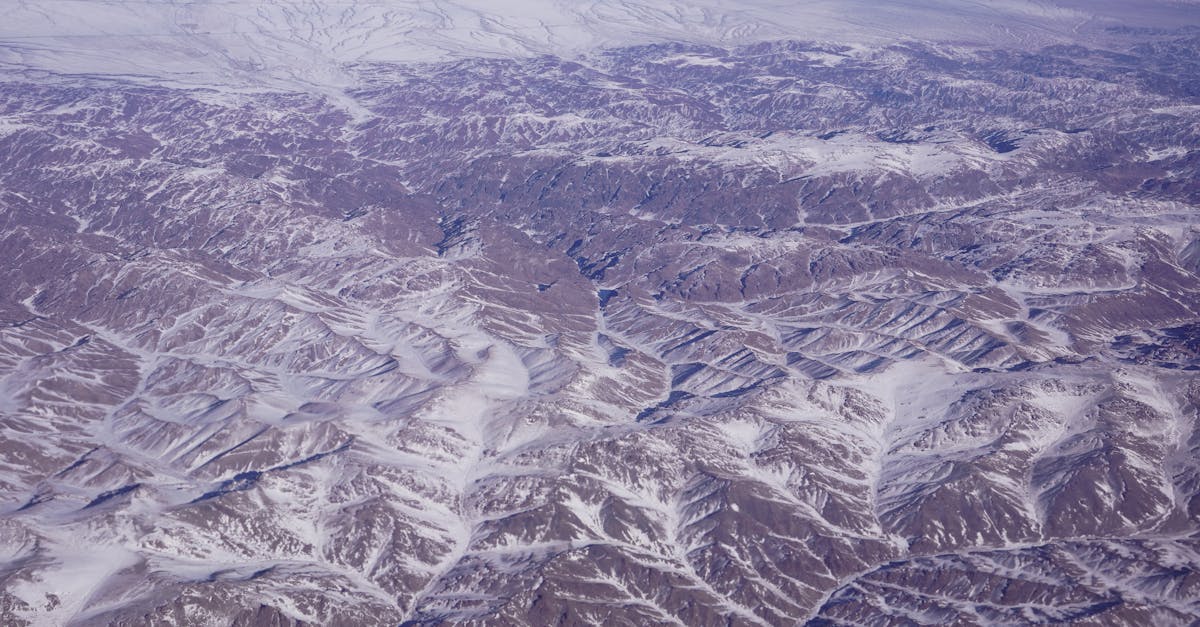
DiNanno told delegates that China did a nuclear explosive test on June 22, 2020. He called it a singular explosion with a yield in the hundreds of tons. The US spotted a seismic event of 2.75 magnitude near Lop Nur that day.
To hide it, China used decoupling. This means setting off the blast in a big empty underground space. The shock wave loses energy before reaching the rock, so it looks smaller on seismometers. Experts say this makes detection hard.
Public seismic data from that day shows no clear sign of a big test. The Comprehensive Nuclear-Test-Ban Treaty Organization said the same. But US officials stand by their intel. They promise more proof soon.
US Plans to Test Again
A senior US official said the country is ready for low-yield nuclear tests. These would match what China and Russia allegedly do. Low-yield means small explosions, not full ones. The US calls its own past tests subcritical, which do not start a full nuclear chain reaction. Those are allowed under their rules.
The official spoke on Tuesday. He linked this to China's actions. President Trump wants tests on an equal basis with rivals.
China denies everything. Its Foreign Ministry called the claims outright lies. They say the US is making excuses to restart its own tests.
"China firmly opposes the US attempt to fabricate excuses for its own restarting of nuclear tests." – Chinese Foreign Ministry statement
China's ambassador in Geneva dismissed it as a false narrative. He said China follows its no-test promise.
Experts note the treaty does not clearly define an explosion. China and Russia might see small chain reactions as okay, if not too big. This creates gray areas.
The US also says China is prepping tests with yields in the hundreds of tons. These would be bigger than tiny hydronuclear tests but not full blasts.
What This Means
This claim speeds up the end of global norms against nuclear tests. Without New START, arsenals could grow fast. If the US tests, others might follow. Experts fear a return to Cold War-style buildups.
Arms control specialist Jeffrey Lewis from Middlebury College said small tests could lead to bigger ones. He worries it snowballs into more weapons overall.
"There's no real stopping point once we all start doing bigger and bigger tests. It will end up looking just like the Cold War." – Jeffrey Lewis
For the US, matching tests means checking new warhead designs. China is building missiles for submarines and other systems. Russia modernizes too. This keeps pressure on all sides.
Beijing sees it as US hype to avoid its own disarmament duties. The accusations come right after New START ended. Timing suggests a link.
World leaders watch closely. The Conference on Disarmament is one place to talk arms limits. But trust is low now. Any new tests could spark more expansion.
The US push for a three-way deal with Russia and China faces hurdles. Trump wants better terms, but rivals say the US should extend old ones first.
Lop Nur stays active. New tunnels mean more possible tests ahead. Seismic monitors worldwide keep watch, but hiding tricks like decoupling challenge them.
This story tests global stability. Nations balance deterrence with restraint. One small blast could shift that balance for years.