
US military forces seized a sixth oil tanker linked to Venezuela early Thursday morning in the Caribbean. The operation, carried out by Marines and sailors from the USS Gerald R. Ford, targeted the Motor/Tanker Veronica as part of President Trump's quarantine on sanctioned vessels entering or leaving Venezuelan waters. This action aims to stop illegal oil shipments and ensure only lawful oil leaves the country.
Background
Tensions over Venezuela's oil have run high for years. The US has imposed sanctions on the country's oil industry to pressure the government of former President Nicolás Maduro. Last year, US forces captured Maduro and his wife in a surprise overnight raid. That event marked a turning point in US efforts to influence Venezuela's political and economic landscape.
Since then, the US has moved to take direct control of Venezuela's oil production and sales. Officials say the goal is to sell the oil legally and direct the money toward humanitarian needs or reconstruction. Earlier this week, the US completed its first sale of Venezuelan oil, worth $500 million. More sales are planned in the coming days.
These steps come as opposition leaders seek US support. Venezuelan opposition figure María Corina Machado is meeting President Trump at the White House today. She has called on the US to help free Venezuela from what she describes as oppressive rule.
The shadow fleet plays a big role in this story. This is a group of older ships, often flying flags from countries like Russia, that carry oil from sanctioned nations such as Venezuela, Iran, and Russia. These vessels dodge sanctions by turning off tracking systems and changing names or flags. US operations target these ships to cut off illegal revenue streams.
Key Details
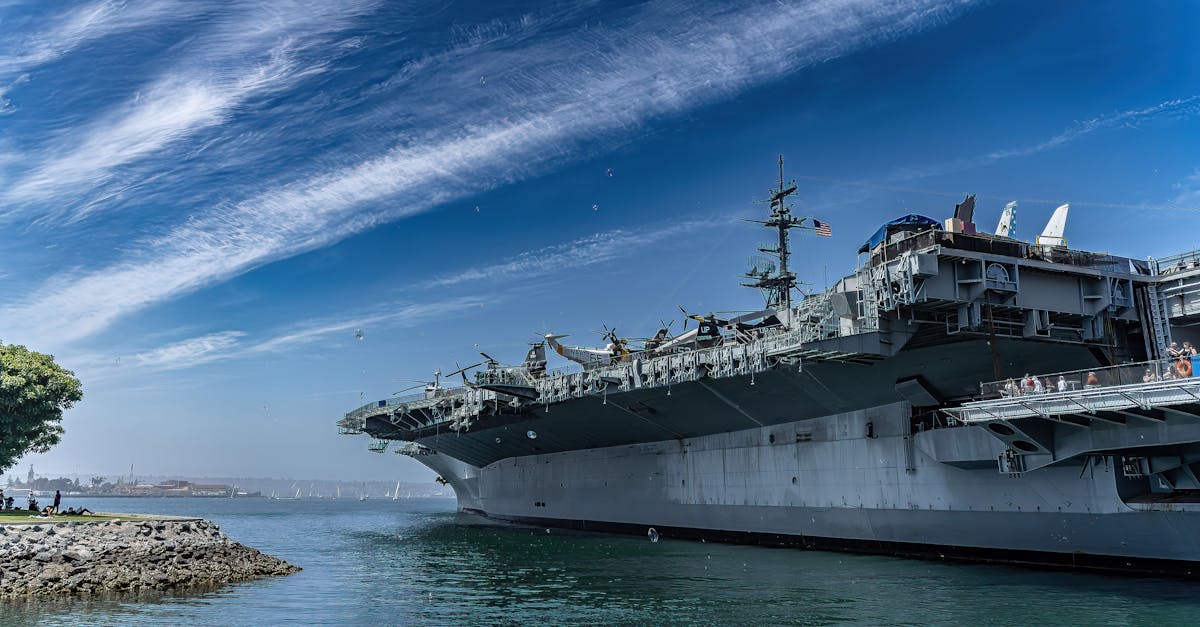
The seizure of the Veronica happened before dawn. Joint Task Force Southern Spear, working with the Department of Homeland Security, launched from the aircraft carrier USS Gerald R. Ford. The team boarded the tanker without any resistance and took control.
This is the sixth such seizure. Last week alone, US forces grabbed three tankers: the Marinera, formerly Bella-1 and sailing under a Russian flag, in the North Atlantic; and the Olina and Sophia in the Caribbean. Each ship had ties to Venezuela's sanctioned oil trade.
Operation Southern Spear enforces the quarantine. US Southern Command stressed that the action shows the operation's success. They stated that only properly coordinated and legal oil can leave Venezuela now.
Tanker Operations
The Veronica was moving oil in defiance of the quarantine. Like others in the shadow fleet, it likely carried crude from Venezuelan ports to buyers willing to ignore sanctions. US officials track these ships using satellite data, intelligence, and naval patrols. Once spotted, teams move in for boarding.
Crew members on these tankers face questioning and possible detention. The ships get towed to US ports or allied facilities for inspection. Oil cargoes may end up sold under US oversight, with proceeds held in escrow.
"In another pre-dawn action, Marines and Sailors from Joint Task Force Southern Spear… apprehended Motor/Tanker Veronica without incident." – U.S. Southern Command statement
What This Means
These seizures tighten the grip on Venezuela's oil exports, which make up most of the country's income. By targeting the shadow fleet, the US cuts off funds that once supported Maduro's allies. Legal sales under US control could bring in billions, funding aid or new governance structures.
For global markets, the shift matters. Venezuelan oil, heavy and cheap, feeds refineries worldwide. Disruptions have pushed prices up before, but steady legal flows might stabilize supply. Buyers now must deal through US channels, changing trade patterns.
In Venezuela, people feel the squeeze. Oil money once paid for imports like food and medicine. With exports blocked or redirected, shortages could worsen unless sales revenue helps quickly. Opposition groups see this as a path to change, counting on US pressure to back their push for elections.
The White House meeting with Machado adds weight. Her visit signals ongoing US commitment. Talks likely cover oil management, sanctions relief, and steps toward free elections. Success here could reshape South American politics.
Regionally, Caribbean nations watch closely. Some ports have hosted shadow fleet ships, drawing US warnings. Stronger enforcement might reduce smuggling but strain local ties.
Broader US strategy targets other sanctioned oil producers. Similar quarantines could hit Iran or Russia. Each tanker seized builds the model: board, seize, sell legally. This approach tests international law on high seas actions.
Venezuela's oil fields remain key. Production has dropped from millions of barrels a day to under a million due to mismanagement and sanctions. US involvement might boost output with new investment, but political fights stand in the way.
Crew safety is another factor. Past boardings passed without shots fired, but risks grow with more operations. International rules allow such actions against sanctioned ships, but flagged nations sometimes protest.
Machado's stance reflects hope. She says Venezuela counts on US help for freedom. Her words rally exiles and locals pushing back against holdouts loyal to Maduro.
These moves fit a pattern of direct action. From Maduro's capture to tanker hunts, the US shifts from sanctions to hands-on control. Oil sales mark real progress, turning pressure into assets.
Challenges ahead include legal fights over seized ships and oil. Shadow fleet owners hide behind shell companies. Courts will sort ownership and value.
Global watchers note the quarantine's reach. It covers Caribbean waters, a busy shipping lane. Navies from other nations steer clear, leaving US forces dominant.
For now, the Veronica joins a growing line of captured tankers. Each one chips away at illegal trade, pushing Venezuela toward change under US watch.