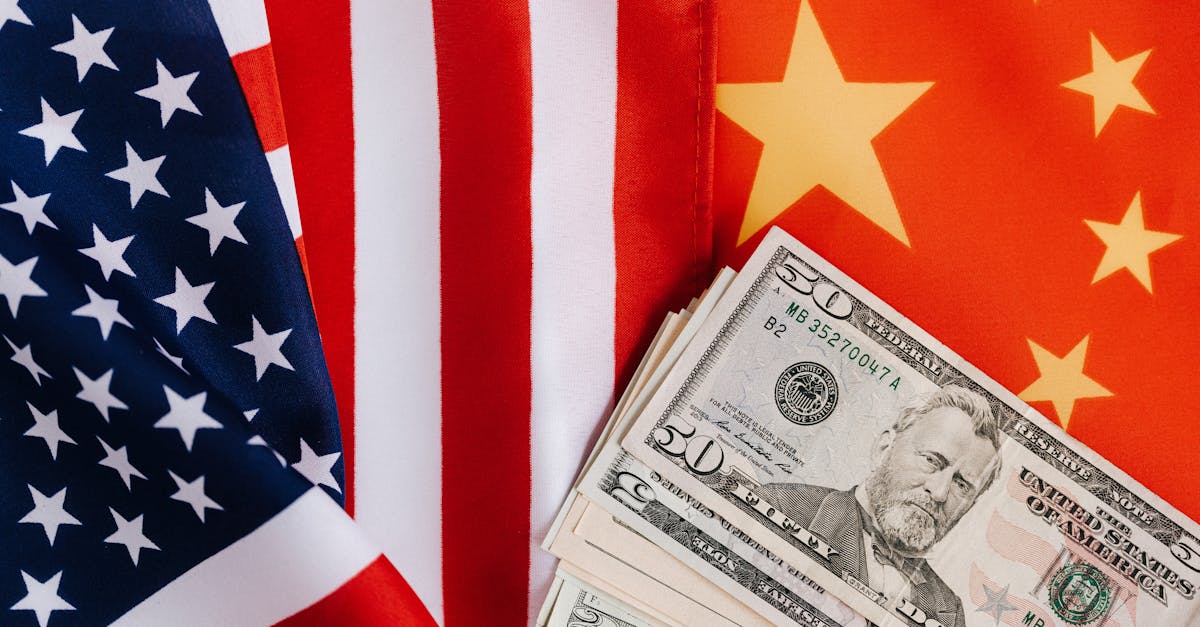
The US government under President Trump has imposed a 25% tariff on Nvidia's H200 AI chips headed to China. This action, announced on Wednesday, comes as part of a deal that lets Nvidia sell these high-end processors to approved Chinese buyers while generating revenue for the US. The tariffs target chips made in Taiwan and apply before sales in China, citing national security reasons.
Background
Trade restrictions on advanced chips to China started years ago to protect US technology leads in AI. The US Commerce Department's Bureau of Industry and Security has controlled exports, blocking many high-performance semiconductors from reaching Chinese firms. Nvidia's H200 chips, key for AI training and data centers, fell under these rules. Sales halted, hurting Nvidia's revenue from its second-largest market.
Last week, the Bureau updated its policy. It now reviews license applications for H200 chips and similar products from AMD on a case-by-case basis. To get approval, companies must show that exports won't cut supply for US customers and that Chinese buyers pass security checks. This shift opened the door for limited sales after a long freeze.
President Trump has pushed hard on semiconductors. Late last year, he warned of tariffs up to 100% on chips not made in the US. His administration wants to bring production home and boost domestic jobs. The new tariff fits this plan, taxing sales abroad to fund US manufacturing.
China has its own restrictions. Its firms seek homegrown chips to avoid US controls. But many still need Nvidia tech for top AI work, creating demand despite the tensions.
Key Details
The White House released a fact sheet on Wednesday detailing the tariff. It covers specific computing chips like Nvidia's H200 and AMD's MI325X. The 25% rate applies to imports that support sales in China. Chips used to build US supply chains or domestic production get exemptions.
Nvidia welcomed the changes. The company can now offer H200 chips to vetted commercial customers in China.
"We applaud President Trump's decision to allow America's chip industry to compete to support high paying jobs and manufacturing in America. Offering H200 to approved commercial customers, vetted by the Department of Commerce, strikes a thoughtful balance that is great for America." – Nvidia spokesperson
Just days after the US move, reports emerged of Chinese customs blocking the chips. Officers received orders not to let H200 processors enter the country. This came right after US approvals, showing quick pushback from Beijing.
Reactions from Experts and Officials
US reactions split along lines. Some praise the deal for unlocking revenue and jobs. Nvidia sees it as a win for American industry. Others worry it weakens US position in AI race against China.
Matt Pottinger, a former Trump advisor on Asia, spoke at a congressional hearing on Wednesday. He said the policy heads in the wrong direction by allowing chip sales to China.
"The administration is heading in the wrong direction by permitting chip sales to China, which he suggested would disadvantage the U.S. in the AI competition." – Matt Pottinger
Analysts call the back-and-forth symbolic of the trade war. Scott Bickley from Info-Tech Research Group said the volumes are small for Nvidia's supplier TSMC. China signals it doesn't need US chips at scale for AI.
Alvin Nguyen from Forrester noted H200 is older tech. Chinese AI firms have caught up, making the chips less essential. Global companies with Nvidia stacks may still want them for consistency across regions.
What This Means
For Nvidia, the tariff adds costs to China sales. The company pays 25% on H200 chips before export, passed partly to buyers. But access to China boosts revenue after a sales ban. Without firm demand, Nvidia may not ramp up production.
US firms gain from the deal. Tariffs bring in money to support domestic chip making. The policy ties exports to security reviews, aiming to protect national interests.
China's block raises uncertainty. Customs orders could change, but they show Beijing's resolve to limit US tech inflows. This pushes Chinese firms toward local alternatives like Huawei chips.
Enterprises face new risks. AI plans now hinge on policy shifts, not just tech specs. Companies building data centers must plan for border blocks or tariff hikes. Global teams struggle with mismatched hardware across countries.
Broader trade war continues. Trump could add tariffs on more chips soon, per the fact sheet. Republicans in Congress push to tighten controls without attacking the president directly.
The H200 saga highlights volatility. Even established products like two-year-old GPUs face sudden barriers. Businesses adapt by diversifying suppliers and watching geopolitics closely.
Nvidia's China hopes hinge on resolving the customs issue. US approvals exist, but entry remains blocked. Talks between the two sides could ease this, or escalate tensions further.
Domestic US manufacturing gets a lift. Tariff money funds factories, creating jobs in states like Arizona and Ohio. Chip giants like Intel and TSMC expand there, reducing reliance on Asia.
AI competition intensifies. China builds its ecosystem to rival the US. Limits on H200 slow frontier models but not overall progress. Both nations race for supremacy in this key field.
Companies worldwide adjust strategies. Some stockpile chips before rules change. Others shift to cloud services avoiding physical exports. The tariff and blocks reshape global supply chains.