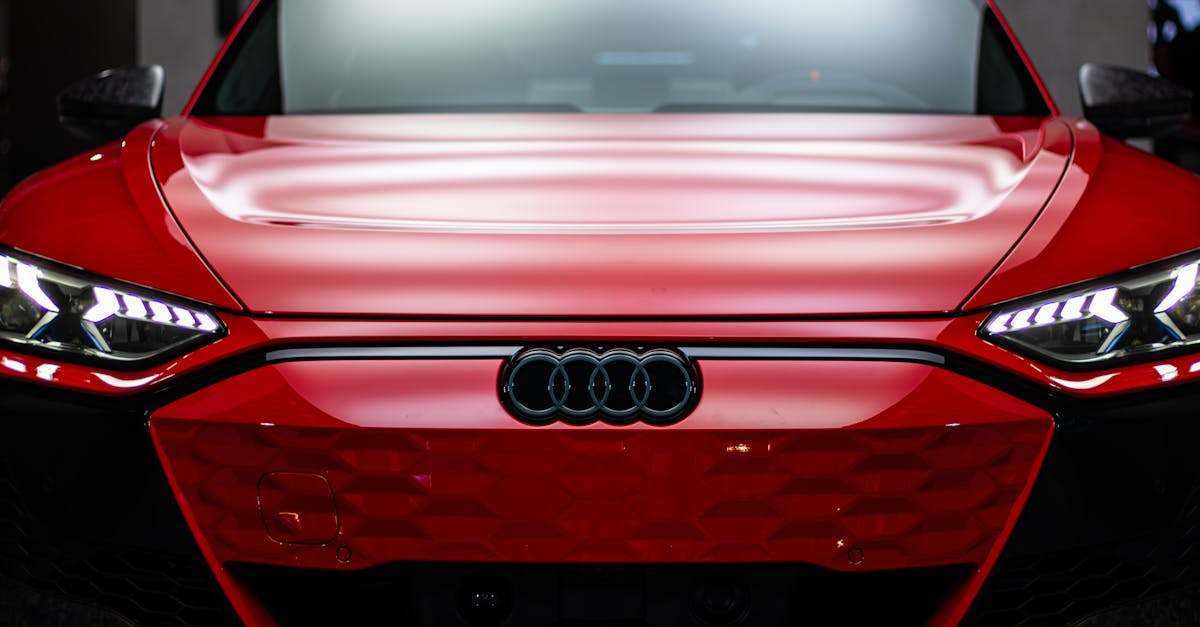
Waabi, a Toronto-based company that builds software for self-driving vehicles, raised $1 billion this week and agreed to a big partnership with Uber. The deal calls for putting at least 25,000 robotaxis on Uber's ride-hailing app. Waabi started with trucks but now plans to use its technology for passenger cars too. Uber will give $250 million more if Waabi hits certain goals. The news came out on Wednesday from Waabi's office in Toronto.
Background
Waabi got started in 2021. Raquel Urtasun, the CEO, used to run Uber's self-driving research team. She left Uber when they sold that part of the business to another company. Urtasun started Waabi to make AI that works for different kinds of driving without needing huge amounts of data or maps.
At first, Waabi focused on trucks. Last October, they teamed up with Volvo to put their software in trucks that haul freight on highways in Texas. Those trucks still have safety drivers for now. Volvo says they plan to go fully driverless soon, maybe in a few months. Waabi's tech also works in mining sites in Norway and Sweden. Uber already worked with Waabi on freight through its Uber Freight service. Uber has had a spot on Waabi's board since the early days.
Uber gave up building its own self-driving cars a few years back. Now they partner with other companies to add robotaxis to their app. They work with Waymo in Austin and Atlanta, where people can call a Waymo car through Uber. Uber also has deals with startups like Avride in Dallas, Wayve in London, and Baidu in other places. Just this month, Uber announced a plan with Nuro and Lucid Motors for 20,000 robotaxis, with some starting this year. Uber put $300 million into that deal.
Key Details
The new money for Waabi comes in two parts. First, a $750 million investment round led by Khosla Ventures and G2 Venture Partners. Other backers include Uber, Nvidia's investment arm, Volvo Group, Porsche, BlackRock, Radical Ventures, and an arm of the Abu Dhabi Investment Authority. Waabi called it the biggest fundraise ever in Canada.
Uber adds another $250 million, but only if Waabi meets steps like deploying the robotaxis. The goal is 25,000 or more Waabi-powered robotaxis just on Uber's platform. No one said when this will start or where. Waabi's software, called Waabi Driver, uses the same AI for trucks and cars. It relies on lidar, radar, and cameras.
Waabi's Technology
Urtasun says the company's AI can handle trucks, robotaxis, different places, and road types with one system. They call it a 'physical AI platform.' The new cash will speed up truck work and start robotaxis. Waabi sells trucks directly to shippers, which helps get them into use fast.
"Our incredible core technology really enables, for the first time, a single solution that can do multiple verticals, and they can do them at scale. It’s not about two programs, two stacks."
— Raquel Urtasun, CEO of Waabi
"We are thrilled to partner with the leading ridesharing platform to bring about a safer, more efficient, and sustainable future."
— Raquel Urtasun, CEO of Waabi
Vinod Khosla from Khosla Ventures said Waabi's tech marks a big step in driverless vehicles.
"Their remarkable progress in autonomous trucking and rapid expansion into robotaxis demonstrates how their technology unlocks for the first time true scale in the real world."
— Vinod Khosla, founder of Khosla Ventures
What This Means
This deal puts Waabi up against big names like Waymo and Tesla in robotaxis. Waabi's plan to use one AI for trucks and cars sets it apart. Others tried both but dropped trucking. Uber's push with Waabi, Nuro, and others shows they want robotaxis mixed with human drivers soon. No word yet on buying cars for Waabi like in the Nuro deal. Uber started a new group called Uber AV Labs to gather data from its cars to help partners like Waabi.
For Waabi, the Uber tie-up gives a huge platform to test and grow. Urtasun said rollout will happen fast, quicker than most expect. The truck side keeps moving with Volvo. Safety comes first, so they wait for full checks before going driverless. Shippers want the trucks because they can buy them straight from Waabi. This funding lets Waabi hire more people and build out the tech. Uber gets another way to add self-driving rides without doing it all themselves. The partnership builds on years of work together. It could change how freight and passenger rides work with less human drivers over time.