A panel of federal judges in upstate New York picked Donald Kinsella, a lawyer with over 50 years of experience, to serve as the top federal prosecutor for the Northern District of New York. Just four hours after a private swearing-in ceremony on Wednesday, Deputy Attorney General Todd Blanche announced Kinsella's firing in a social media post.
Kinsella stepped in to replace John Sarcone III, a former Trump campaign lawyer whom a federal judge ruled had served unlawfully for months. The judges acted under a law that lets them fill U.S. attorney vacancies temporarily until the president nominates someone and the Senate confirms them. But the White House moved fast to remove him, saying the president has the final say.
Background
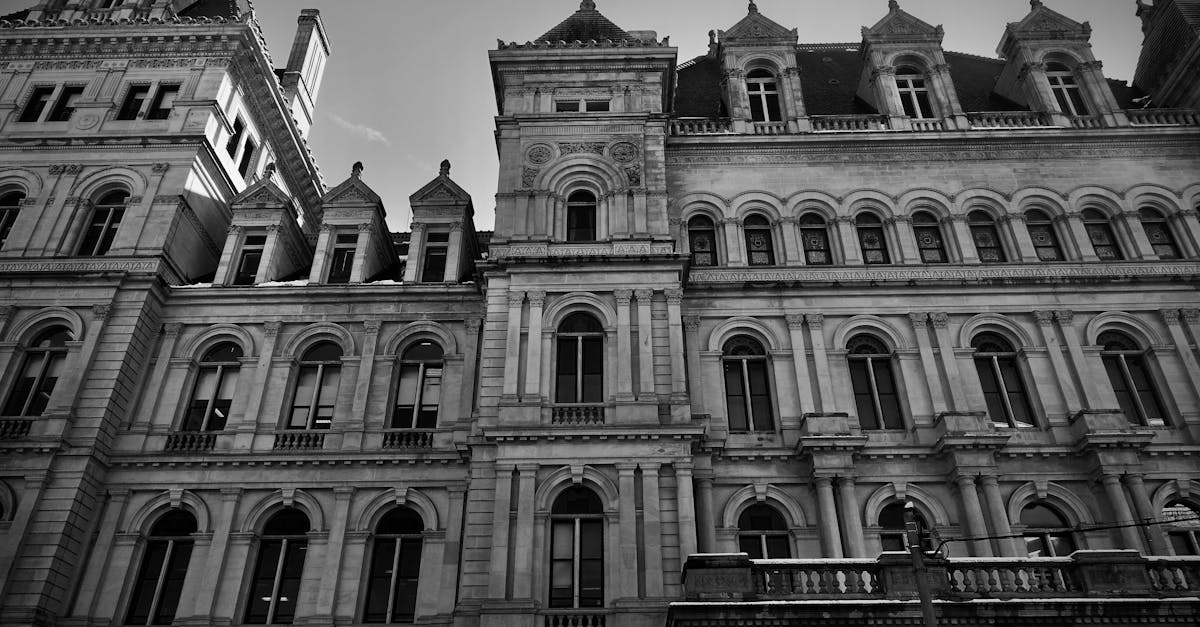
The Northern District of New York covers Albany and surrounding areas. It handles federal cases from drug crimes to corruption probes. For months, the office lacked a clear leader after Sarcone's time ran out. Sarcone had no prior experience as a prosecutor when President Trump named him acting U.S. attorney. A judge found his holdover unlawful because federal rules limit acting roles to 120 days without Senate approval or a court pick.
This is not the first time courts have stepped in. In January, District Judge Lorna Schofield, appointed by President Obama, blocked Sarcone from continuing. She also threw out two subpoenas he had issued to New York Attorney General Letitia James, a frequent Trump critic. Schofield wrote a 24-page ruling saying the Justice Department overstepped by keeping Sarcone in place through a side step around the rules.
“When the Executive branch of government skirts restraints put in place by Congress and then uses that power to subject political adversaries to criminal investigations, it acts without lawful authority.” – District Judge Lorna Schofield
The Justice Department appealed that decision. Sarcone had been looking into James while in the role. James has pursued cases against Trump properties and his family business.
This fight fits a pattern across the country. President Trump has named acting U.S. attorneys to skip Senate checks. Courts in Virginia, New Jersey, Nevada, and California have ruled some of these picks invalid. The core issue is the Appointments Clause in the Constitution, which sets who can fill top jobs.
Key Details
On Wednesday, the judges chose Kinsella from a list of candidates. He is a veteran litigator known for long court battles. They swore him in privately that afternoon. By evening, Blanche posted on X: “Judges don’t pick U.S. Attorneys, [the president of the United States] does. See Article II of our Constitution. You are fired, Donald Kinsella.”
Dan Scavino, head of the White House Presidential Personnel Office, added that Kinsella should check his email. The post made clear the administration saw the court move as overreach.
Federal vacancy law says courts can appoint interim U.S. attorneys in some cases. But another law notes that the president can remove any U.S. attorney. Legal experts split on this. Peter Shane, a law professor at New York University, said courts should control who they appoint and fire.
“Acting [U.S. attorneys] are inferior officers who may be appointed by courts. The power to remove inferior officers follows the power to appoint. Only the judges can fire whom they appoint.” – Peter Shane, NYU law professor
Others point to the president's broad removal powers over executive branch roles. This is at least the third time the Trump team has ousted a court-picked U.S. attorney.
Past Similar Cases
In Virginia's Eastern District, Lindsey Halligan, a former Trump personal lawyer, took over after courts removed Erik Siebert. Halligan had no prosecutor background then. She brought charges against ex-FBI Director James Comey and Letitia James. Those cases failed, and a judge later disqualified her. She held on for weeks before leaving last month.
In New Jersey, Alina Habba, another Trump ex-lawyer, faced the same. A lower court and appeals panel blocked her extension. She stepped down in December. Courts there said back-to-back acting picks break the rules.
Attorney General Pam Bondi appealed a Virginia ruling this week. She argues the president can handle vacancies his way.
What This Means
The firing leaves the Northern District without a confirmed leader again. Trump could name Sarcone back or pick another ally on a short-term basis. Judges might challenge the removal in court, but it's unclear if they will or can. Past cases show appeals drag on.
These battles slow federal prosecutions. Offices handle everything from gun crimes to fraud. Vacancies mean cases pile up or get reassigned. Defense lawyers in ongoing matters have questioned who calls the shots.
Trump's push aims to place trusted people in prosecutor spots. Some appointees have opened probes into his critics, like James and Comey. Courts worry this mixes politics with justice. Nonpartisan prosecutors usually avoid targeting foes.
The standoff tests constitutional lines. Article II gives the president executive power, including over law enforcement. But Congress set vacancy rules to check that power. More rulings could come from appeals courts or the Supreme Court.
New York senators have spoken out against the handling. They want Senate-confirmed picks who follow the law. For now, the Albany office runs day-to-day under deputies. No word yet on the next move from the White House or judges.
This keeps the spotlight on Trump's second-term changes at Justice. He has named loyalists to top roles before. Firing Kinsella sends a signal: the president wants control over who leads these offices, even if courts say otherwise.