
Researchers at the University of Bristol have found that people who eat only unprocessed foods take in 330 fewer calories each day compared to those eating ultra-processed foods. They do this while eating more than 50% more food by weight, mainly by loading up on fruits and vegetables. The study looked at data from a 2019 clinical trial and explains why this diet shift leads to lower calorie intake without people trying to eat less.
Background
The work comes from a fresh look at a key study from 2019 led by Kevin Hall at the US National Institutes of Health. In that trial, 20 adults ate either an ultra-processed diet or an unprocessed one for two weeks each. The meals matched in calories, sugar, fat, fiber, and sodium at the start. Participants could eat as much as they wanted.
On the ultra-processed diet, people ate about 500 more calories per day on average. They gained close to a kilogram. On the unprocessed diet, they ate 500 fewer calories and lost about a kilogram. The new analysis digs into why people made those choices.
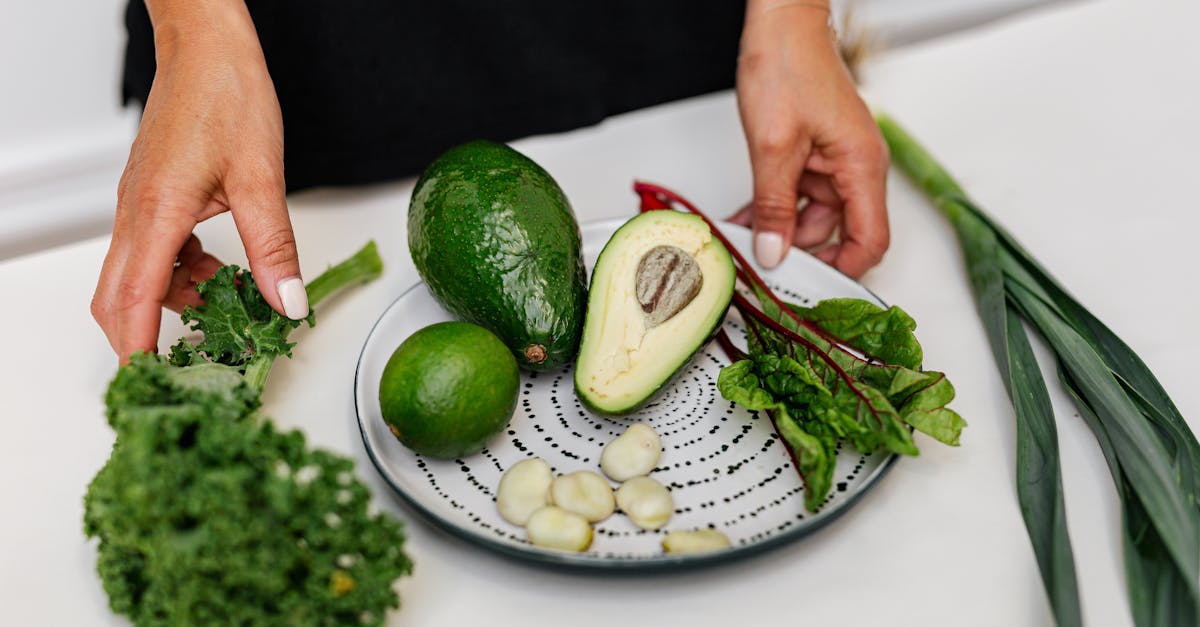
Ultra-processed foods include items like sugary cereals, French toast sticks, and creamy pasta dishes. Unprocessed foods are things like steak, rice, oats, carrots, spinach, apples, and beans. Both diets gave the same starting nutrition, but people reacted differently.
The Bristol team, led by Jeff Brunstrom, a professor of experimental psychology, worked with US experts to break down meal choices. They saw patterns in what people picked from the options.
Key Details
People on the unprocessed diet ate 57% more food by weight overall. Their meals had 719 calories on average, compared to 830 for ultra-processed meals. They chose low-energy-dense foods, those under 1 calorie per gram, like fruits and vegetables.
Choices at Meals
At lunch and dinner, participants picked foods with less balance between carbs and fats. This 'blend index' differed by 0.22 to 0.24, a clear statistical shift. They often took several hundred grams of fruits and vegetables per meal.
Instead of steak or pasta, they went for carrots, spinach, beans, and apples. These filled nutrient needs like vitamin A with far fewer calories. On the ultra-processed side, vitamin A came from calorie-heavy items like pancakes.
The study measured energy intake closely. Low-energy-dense foods and the carb-fat blend together predicted 78% of the calorie differences seen.
"It's exciting to see when people are offered unprocessed options they intuitively select foods that balance enjoyment, nutrition, and a sense of fullness, while still reducing overall energy intake. Our dietary choices aren't random — in fact we seem to make much smarter decisions than previously assumed, when foods are presented in their natural state." – Jeff Brunstrom, Professor of Experimental Psychology at the University of Bristol
Co-author Annika Flynn, a senior research associate at Bristol, pointed out how ultra-processed foods mix high calories with added vitamins. This removes the natural trade-off where people pick low-calorie nutrient sources.
"This raises the alarming possibility that UPFs deliver both high energy and micronutrients in one hit, which could result in calorie overload, because they effectively kill the beneficial trade-off between calories and micronutrients." – Annika Flynn, Senior Research Associate at the University of Bristol
Mark Schatzker from McGill University added that without fruits and vegetables, the unprocessed diet would leave gaps in vitamins and minerals.
The trial kept people in a lab setting with no clocks to avoid routine eating. Meals came in portions they could take from freely.
What This Means
The findings point to a built-in way people balance nutrients and calories when eating whole foods. This 'nutritional intelligence' pushes choices toward low-calorie, nutrient-rich options. On ultra-processed diets, fortified foods bundle calories with vitamins, leading to more eating.
Unprocessed diets also provide fiber in its natural form, which may boost fullness through gut signals like GLP-1. This could help with weight control beyond just calorie counts.
For public health, the work suggests focusing on access to whole foods over strict calorie limits. Experts like Martin Warren from the UK Quadram Institute say meals should deliver nutrients through vegetables, not processing.
Jules Griffin from the University of Aberdeen asks what drives the fruit and vegetable preference. It might tie to how nutrients pair with energy in natural foods, or fiber effects on the gut.
Other studies back this up. A 2025 trial showed people on minimally processed diets lost twice as much weight as on ultra-processed ones, again from lower calories.
People trying New Year's resolutions might find switching to whole foods eases weight loss. They eat more volume, feel full, and get better nutrition without tracking every bite.
The research appeared in The American Journal of Clinical Nutrition. It builds on years of work showing ultra-processed foods link to overeating and weight gain. More trials could test these ideas in everyday settings with larger groups.