
People across the country keep closets full of yarn, sewing machines, fitness gear, and stacks of unread books. These items sit unused, reminders of hobbies or lifestyles they planned to adopt but never did. Experts call this aspirational clutter, and it proves one of the toughest types to clear out because it links to dreams and self-image.
Background
Homes often overflow with things people buy in moments of hope. A woman in Seattle bought a full set of painting supplies after watching an online class, thinking it would become her new passion. Months later, the canvases and brushes gathered dust in a spare room. In Chicago, a man held onto running shoes and marathon training guides from years ago, even though knee pain ended his jogging days. These stories repeat in apartments and houses everywhere.
The term aspirational clutter describes items tied to future versions of ourselves. It includes craft kits for scrapbooking, guitar lessons books never opened, or fancy kitchen tools for baking that stay boxed. People pick them up at stores or online, excited about change. But life gets busy with work, family, or other demands. The items pile up, filling garages, basements, and shelves.
This buildup happens at any age, but hits harder during big life shifts. New parents stash away party platters from their single days. Job changers keep old wardrobe pieces for a slimmer frame or different career. Retirees hold fitness bikes bought for health goals that faded. Each piece whispers of 'what if,' making homes feel crowded not just by stuff, but by unmet plans.
Organizers who visit client homes see patterns. One professional organizer noted rooms packed with needlework supplies and art projects, all untouched. Another found shelves of self-help books on writing novels or training dogs, none cracked open. These examples show how common the problem is, from small apartments to large family houses.
Key Details
Aspirational clutter differs from other types. Nostalgic items connect to past joys, like a childhood toy. Identity clutter defines who we are now, such as running trophies from active years. But aspirational pieces point forward to hobbies or habits not yet started. They support lives people tell themselves they will lead, but don't.
Common examples fill everyday spaces:
- Yarn, fabrics, and sewing machines for knitting or quilting dreams.
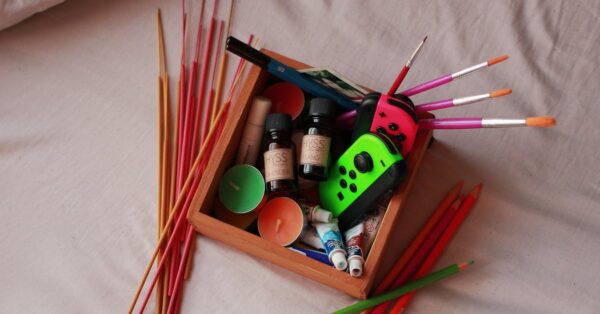
- Paints, brushes, and canvases for artists in waiting.
- Workout clothes, bikes, or weights for the fit body planned tomorrow.
- Books on languages, coding, or cooking stacked high.
- Fancy dishes or glassware for hosts who rarely entertain.
Emotional Ties That Bind
Letting go stirs strong feelings. Tossing a craft kit feels like abandoning a creative side. Discarding too-small jeans admits a body change. People feel guilt over spent money, lost space, and broken promises to themselves. It ties to deeper struggles with self-acceptance.
"Aspirational clutter is made up of items that support hobbies or activities you tell yourself that you are going to take up, but never really do. They’re gathering dust." – Professional organizer Julie Bestry
The emotional pull comes from dreams. Items represent hopes for better health, skills, or fun. Clearing them means facing reality: less time, shifting priorities, or interests that never stuck. This can bring grief, like mourning a future self that slips away.
Guilt adds weight. Unused gear reminds of cash wasted on gym memberships or supplies. Space lost to boxes means less room for daily life. Frustration builds when pulling out a puzzle or bike, only to set it aside again.
What This Means
Homes stay cluttered when aspirational items linger. Rooms feel smaller, cleaning takes longer, and stress rises from constant reminders of 'shoulds.' Families argue over packed garages. People spend weekends sorting instead of relaxing.
On a wider scale, it affects wallets. Americans buy billions in hobby gear yearly, much of it unused. Storage units boom with overflow. Time lost to managing stuff cuts into real joys, like walks or time with loved ones.
Clearing it starts with honest looks. Ask if the item fits current life. Does yarn match actual free time? Will that novel-writing book get read this year? Donate to those who will use it, like schools for art supplies or charities for clothes.
Self-acceptance helps most. Recognize identity changes from kids, jobs, or age. Embrace who you are now, not a fantasy version. One person donated old running gear and felt lighter, free to walk without pressure.
Organizers suggest small steps. Pick one shelf or drawer. Sort into keep, donate, trash. Picture space gained for what matters. Over time, homes breathe easier, minds clearer.
This clutter shows human hopes persist. People chase growth through things, even if plans shift. Understanding it opens doors to spaces that match real lives, not dreamed ones. Families report calmer homes after purges. Individuals gain peace from letting go.
Experts see links to mental health. Holding dreams in boxes delays peace. Releasing them accepts the present, paving ways for new starts. One client cleared a craft room and turned it into a reading nook, fitting her actual habits.
In cities like New York, where space costs high, aspirational piles hit hardest. Tiny apartments cram with dream gear. Rural homes use barns for overflow. Everywhere, the pattern holds: hopes buy stuff, reality leaves it behind.
Steps forward include tracking buys. Before purchase, ask real use plans. Set timers for hobbies: try guitar three months, then decide. Share gear with friends or clubs to test waters without owning.
Communities form around this. Online groups swap unused supplies. Local classes let people try crafts cheaply. These reduce buys, build skills, cut clutter at roots.
As lives evolve, so do homes. Aspirational clutter fades when matched to now. Clear spaces invite real activities, from family games to quiet evenings. The shift brings relief, room to grow into actual selves.